Shandong HeadPowder Engineering Co., Ltd., a leading provider in the field, specializes in the design, manufacturing, and implementation of advanced pneumatic conveying systems tailored for the efficient handling of pulverized coke powder. With a focus on industrial applications that demand reliable and efficient material transport, the company’s solutions are engineered to meet the unique challenges associated with coke powder, such as its fine particle size, abrasive nature, and potential for dust generation. This article delves into the operation process and working principle of such systems, providing a comprehensive understanding of how they function to ensure optimal performance in industrial settings.
Working Principle of Pneumatic Conveying for Pulverized Coke Powder
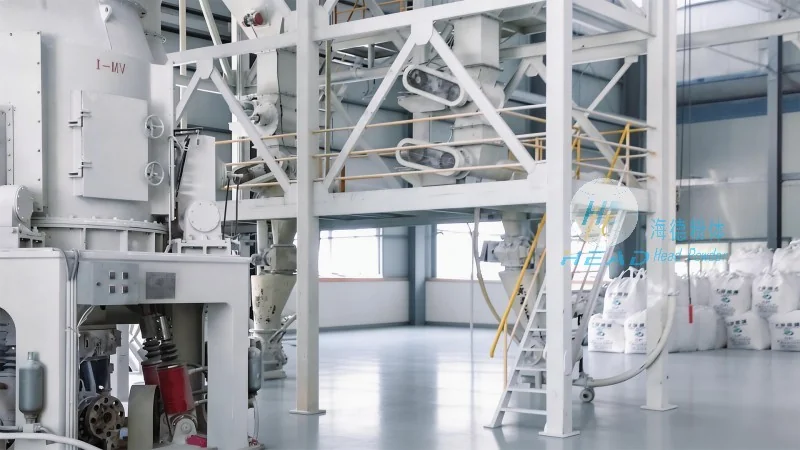
The core of a pneumatic conveying system for pulverized coke powder lies in the use of compressed air or gas to transport the material through a pipeline network. The process begins with the material being introduced into a hopper or feeder, where it is then fed into the conveying line under controlled pressure. As the material moves through the pipeline, it is suspended and carried by the airflow, which is typically generated by a positive displacement blower or a centrifugal fan. The design of the system, including the type of airlock, the velocity of the air, and the configuration of the pipeline, is critical to ensuring efficient transport without causing excessive wear or blockages. The working principle can be broken down into several key components: the material feed system, the air supply system, the conveying pipeline, and the discharge mechanism. Each component works in tandem to create a seamless flow of coke powder from the source to the destination, minimizing downtime and maximizing throughput.
Operation Process of Pneumatic Conveying Systems
The operation process of a pneumatic conveying system for pulverized coke powder involves a series of sequential steps that ensure the material is transported safely and efficiently. The first step is the preparation phase, where the coke powder is loaded into the hopper or storage silo. This is followed by the initiation of the air supply system, which starts the flow of compressed air through the pipeline. The material is then released from the hopper into the conveying line, where it is entrained by the airflow and transported to the discharge point. The system operates continuously, with the air flow maintaining the material in suspension throughout the pipeline. At the receiving end, the material is discharged into a receiving vessel or silo, and the air is filtered and returned to the system to maintain a closed-loop operation. The process is controlled by a series of sensors and control valves that monitor pressure, flow rate, and material level, ensuring that the system operates within optimal parameters. Regular maintenance and monitoring are essential to prevent issues such as blockages, wear, or air leaks, which can impact the efficiency and reliability of the system.
Advantages of Pneumatic Conveying for Pulverized Coke Powder
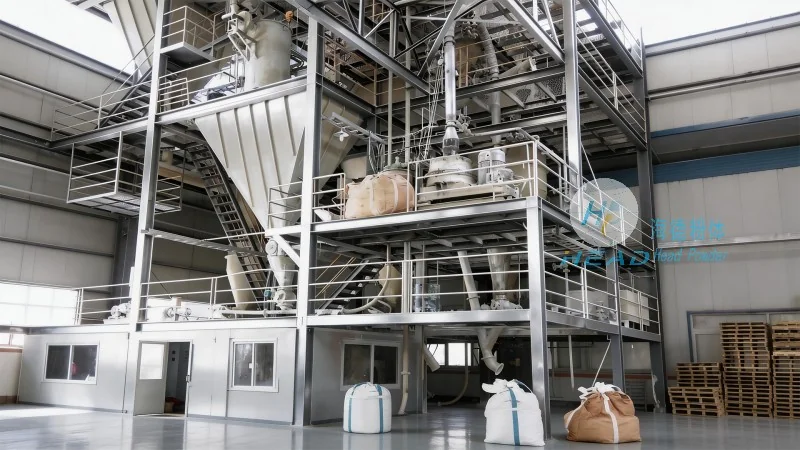
Pneumatic conveying systems offer several advantages over traditional methods of material handling, such as belt conveyors or bucket elevators, especially for fine and abrasive materials like pulverized coke powder. One of the key advantages is the ability to transport materials over long distances without the need for multiple transfer points, which reduces the risk of material degradation and contamination. The enclosed pipeline system also minimizes dust emissions, improving workplace safety and environmental compliance. Additionally, the system can be designed to handle varying material flow rates and particle sizes, providing flexibility in industrial applications. The use of compressed air allows for precise control over the material flow, enabling the system to operate at high speeds while maintaining low energy consumption compared to other conveying methods. These advantages make pneumatic conveying an ideal solution for industries that require efficient, reliable, and safe handling of coke powder, such as steel manufacturing, chemical processing, and power generation.
Industrial Applications and Use Cases
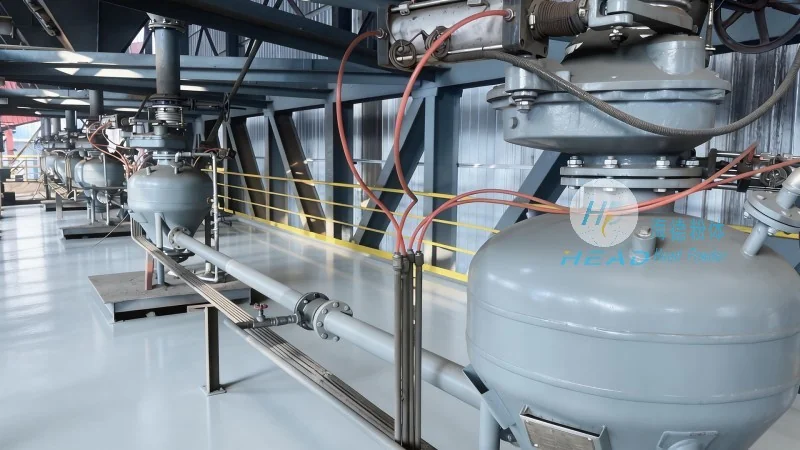
The pneumatic conveying systems developed by Shandong HeadPowder Engineering Co., Ltd. are widely used in various industrial applications that involve the handling of pulverized coke powder. In the steel industry, for example, these systems are used to transport coke powder from storage silos to blast furnaces or other processing units, ensuring a continuous supply of raw material for the production process. In chemical processing plants, the systems are employed to move coke powder between reactors, mixers, and storage tanks, facilitating the efficient production of chemical products. Power generation facilities also utilize pneumatic conveying systems to transport coke powder from storage areas to boilers, where it is used as a fuel source. The versatility of the system allows it to be adapted to different industrial needs, making it a valuable asset in various sectors that rely on coke powder as a key raw material.
Conclusion and Company Commitment
Shandong HeadPowder Engineering Co., Ltd. remains committed to providing high-quality pneumatic conveying solutions for the efficient handling of pulverized coke powder. By understanding the unique characteristics of coke powder and designing systems that address the challenges associated with its transport, the company ensures that its clients achieve optimal performance, reliability, and safety in their operations. The operation process and working principle of these systems are carefully engineered to meet the demands of modern industrial applications, offering a cost-effective and sustainable solution for material handling. As the industry evolves, the company continues to innovate and improve its systems, ensuring that it remains at the forefront of pneumatic conveying technology for coke powder and other fine materials.




