Pneumatic conveying systems are widely used in the coffee processing industry to efficiently transport coffee powder and other fine materials. These systems offer a reliable and efficient method for moving bulk materials from one location to another, ensuring minimal product degradation and maintaining product quality. The operation of such systems involves a series of steps that work together to achieve seamless material transfer, and understanding the process is crucial for optimizing performance and ensuring consistent results.
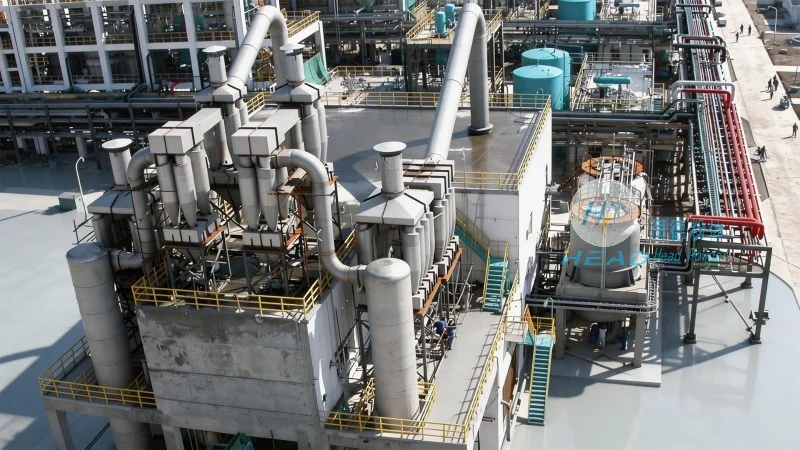
Key Components of a Coffee Powder Pneumatic Conveying System
A typical coffee powder pneumatic conveying system consists of several essential components, each playing a vital role in the overall operation. These components include a material hopper, a conveyor line, a vacuum or pressure source, a filter system, and a discharge unit. The material hopper is designed to store the coffee powder, providing a consistent feed to the system. The conveyor line, often made of flexible or rigid tubing, transports the material through the system. The vacuum or pressure source creates the necessary airflow to move the particles. The filter system ensures that the air is clean and free from dust, while the discharge unit delivers the material to its final destination.
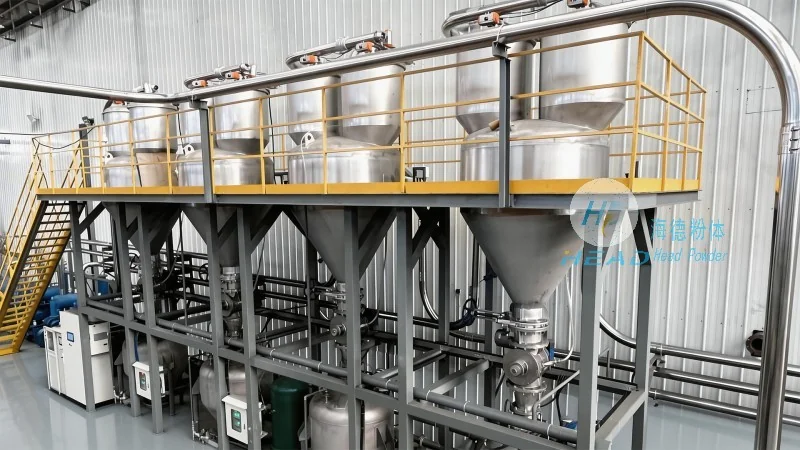
Operation Process of the Coffee Powder Pneumatic Conveying System
The operation process of a coffee powder pneumatic conveying system begins with the loading of the coffee powder into the material hopper. Once the hopper is filled, the system starts by activating the vacuum or pressure source. This creates a flow of air that draws the coffee powder particles into the conveyor line. As the particles move through the line, they are carried by the air stream, which can be either positive pressure (where air is pushed through the system) or negative pressure (where air is pulled through the system). The choice of pressure type depends on the specific application and the characteristics of the coffee powder. The system continues to transport the material until it reaches the discharge point, where it is collected and prepared for further processing or packaging.
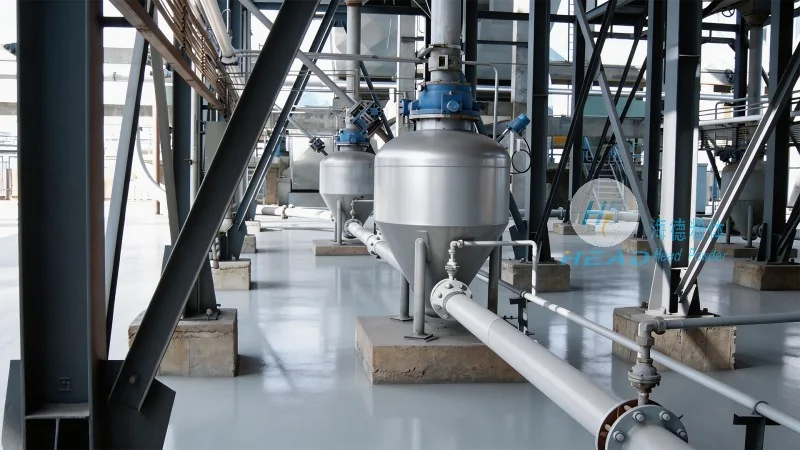
Working Principle of the Coffee Powder Pneumatic Conveying System
The working principle of a coffee powder pneumatic conveying system is based on the principles of fluid dynamics and particle transport. The system relies on the interaction between the air flow and the coffee powder particles to achieve material transfer. In a positive pressure system, compressed air is introduced into the material hopper, creating a pressure differential that forces the coffee powder into the conveyor line. The air then carries the particles through the system, maintaining a consistent flow rate. In a negative pressure system, a vacuum is created at the discharge end, pulling the air and particles through the conveyor line from the hopper. The filter system is critical in both types of systems, as it removes any dust or particles from the air before it is released back into the environment. This ensures that the air is clean and that the coffee powder remains free from contaminants.
About Shandong HeadPowder Engineering Co., Ltd.
Shandong HeadPowder Engineering Co., Ltd., commonly known as HeadPowder, is a leading manufacturer and supplier of pneumatic conveying systems and related equipment for the coffee processing industry. With a strong commitment to quality and innovation, HeadPowder has established itself as a trusted partner for businesses seeking reliable and efficient material handling solutions. The company is headquartered in Shandong, China, and has a team of experienced engineers and technicians who specialize in designing and manufacturing customized pneumatic conveying systems tailored to the specific needs of coffee producers.
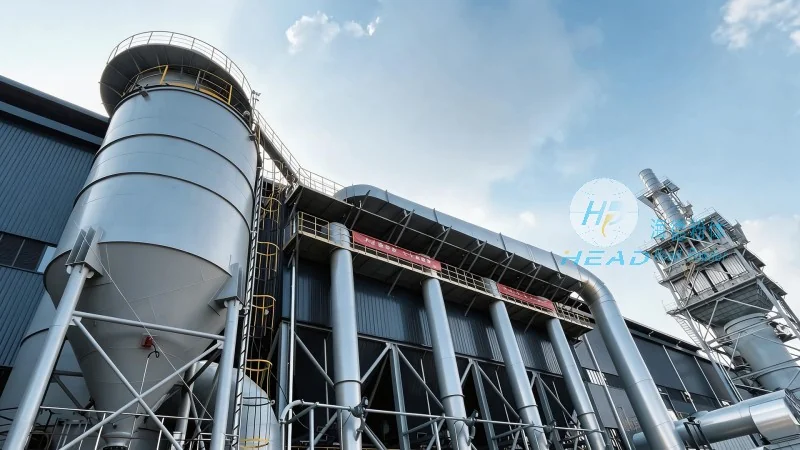
Benefits of Using a Coffee Powder Pneumatic Conveying System
Implementing a coffee powder pneumatic conveying system offers numerous benefits for coffee processing facilities. One of the primary advantages is the ability to handle fine materials like coffee powder without the need for mechanical components that could cause product degradation. The system minimizes the risk of contamination and ensures that the coffee powder remains in its original state, preserving its flavor and quality. Additionally, pneumatic conveying systems are highly efficient, allowing for continuous operation and reducing downtime. They also provide a clean and hygienic environment, which is essential for maintaining food safety standards. Furthermore, these systems are flexible and can be easily integrated into existing production lines, making them a cost-effective solution for businesses looking to improve their material handling processes.




