Efficient and reliable material handling is a critical aspect of industrial operations, especially when dealing with bulk materials like coke particles. Pneumatic conveying systems offer a sophisticated solution for transporting such materials over long distances or within complex industrial setups. This article delves into the operation process and working principles of pneumatic conveying for coke particle materials, highlighting the technical aspects and practical applications of this method.
Introduction to Pneumatic Conveying Systems
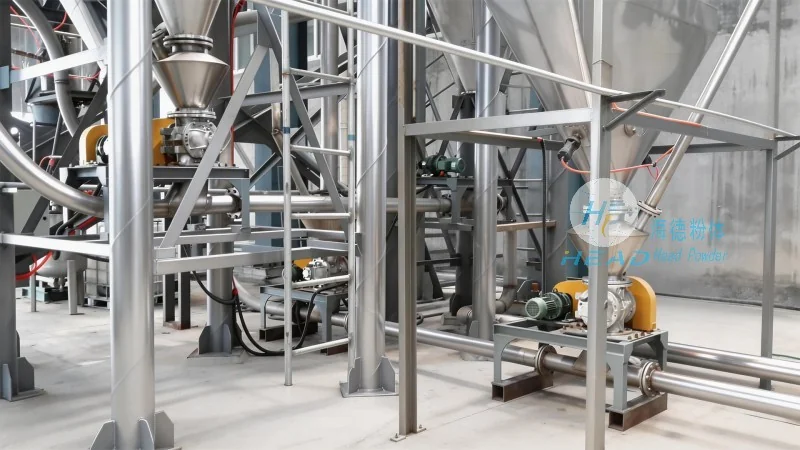
Pneumatic conveying, also known as pneumatic transport, is a technology that uses pressurized or suction air to move solid particles through a pipeline. It is widely used in various industries, including steel, cement, and chemical manufacturing, due to its ability to handle abrasive and dusty materials like coke without the need for mechanical components that may wear out or cause contamination. The system typically consists of a hopper, a blower or vacuum pump, a pipeline, and a discharge device. The choice between positive pressure (blower) and negative pressure (vacuum) systems depends on the specific requirements of the material and the distance of transport.
About Shandong HeadPowder Engineering Co., Ltd.
Shandong HeadPowder Engineering Co., Ltd., commonly known as HeadPowder, is a leading provider of advanced material handling solutions. With a strong focus on innovation and quality, the company specializes in designing, manufacturing, and installing pneumatic conveying systems tailored to the needs of various industrial sectors. HeadPowder's expertise lies in optimizing material flow, ensuring minimal product degradation, and enhancing overall operational efficiency. The company's headquarters is located in Shandong, China, where it leverages local resources and expertise to deliver cutting-edge solutions to global clients.
Key Components of a Pneumatic Conveying System for Coke Particles
The successful operation of a pneumatic conveying system for coke particles relies on several key components, each playing a crucial role in the overall process. The primary components include:
1. Hopper and Feeder: The hopper serves as the storage and feeding unit, where coke particles are loaded and then transferred to the pipeline. A feeder, such as a rotary valve or a screw feeder, regulates the flow of material into the system, ensuring a consistent and controlled feed rate. This component is vital to prevent blockages and maintain the integrity of the material.
2. Air Supply Unit: This unit provides the necessary air pressure or vacuum to move the coke particles through the pipeline. In positive pressure systems, a blower generates the required pressure, while in negative pressure systems, a vacuum pump creates the suction. The air supply unit must be capable of handling the specific air volume and pressure needed for the material being conveyed.
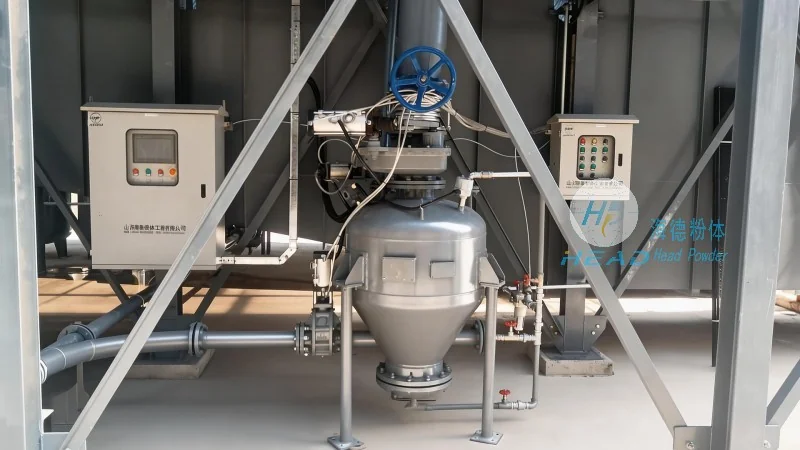
3. Pipeline: The pipeline is the main conduit for transporting the coke particles. It is typically made of durable materials like stainless steel or special alloys to withstand the abrasive nature of coke and prevent corrosion. The design of the pipeline, including bends, elbows, and straight sections, is optimized to minimize pressure drop and ensure smooth material flow.
4. Discharge Device: The discharge device is responsible for releasing the coke particles from the pipeline at the destination point. This can be a rotary valve, a gate valve, or a cyclone separator, depending on the application. The device must be able to handle the high velocity of the material and prevent dust emissions or product loss.
Operation Process of Pneumatic Conveying for Coke Particles
The operation process of a pneumatic conveying system for coke particles involves several sequential steps, each carefully controlled to ensure efficient and safe material transport. The process typically begins with the loading of coke particles into the hopper. The feeder then regulates the flow of material into the pipeline, where it is mixed with the air supplied by the blower or vacuum pump. The air and material mixture travels through the pipeline, with the air providing the necessary force to move the particles. At the discharge point, the material is separated from the air, and the air is either recirculated or vented, depending on the system design.
Working Principle of Pneumatic Conveying
The working principle of pneumatic conveying for coke particles is based on the principles of fluid dynamics and particle motion. In positive pressure systems, the blower creates a pressure higher than the ambient air, forcing the air and coke particles through the pipeline. The particles are suspended in the air stream, and their movement is governed by the velocity of the air and the gravitational forces acting on them. The system maintains a consistent pressure gradient along the pipeline to ensure continuous flow. In negative pressure systems, the vacuum pump creates a low-pressure zone, drawing the air and coke particles into the pipeline. The particles are then carried by the suction force, and the system maintains a negative pressure gradient to keep the material moving.
Advantages of Pneumatic Conveying for Coke Particles
Pneumatic conveying offers several advantages over traditional mechanical conveying methods for coke particles. These include:
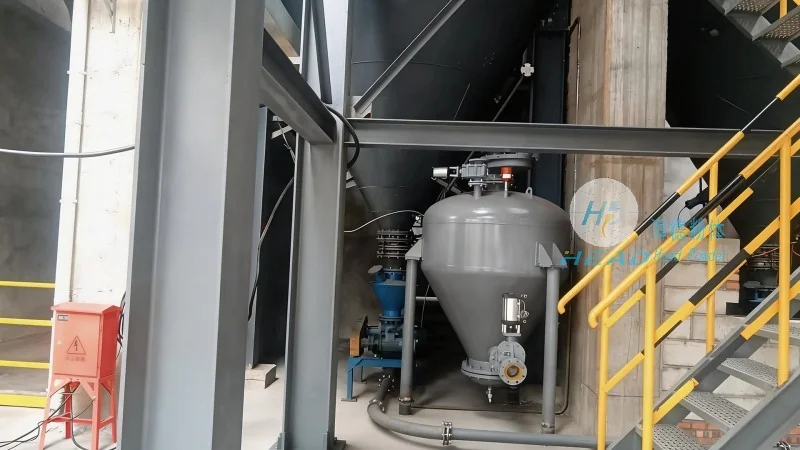
1. Minimal Product Degradation: The system operates with minimal mechanical contact, reducing the risk of particle breakage or contamination. This is particularly important for coke particles, which are often used in high-value applications.
2. Reduced Labor and Maintenance: Pneumatic conveying systems require less manual labor for loading and unloading, and the absence of moving parts reduces maintenance requirements and downtime.
3. Flexibility in Layout: The system can be easily adapted to different industrial layouts, allowing for complex and customized material handling solutions.
4. Dust Control: Properly designed systems include dust collection and filtration components, minimizing the release of particulate matter into the environment.
Applications and Industries
Pneumatic conveying systems for coke particles are widely used in various industries, including:
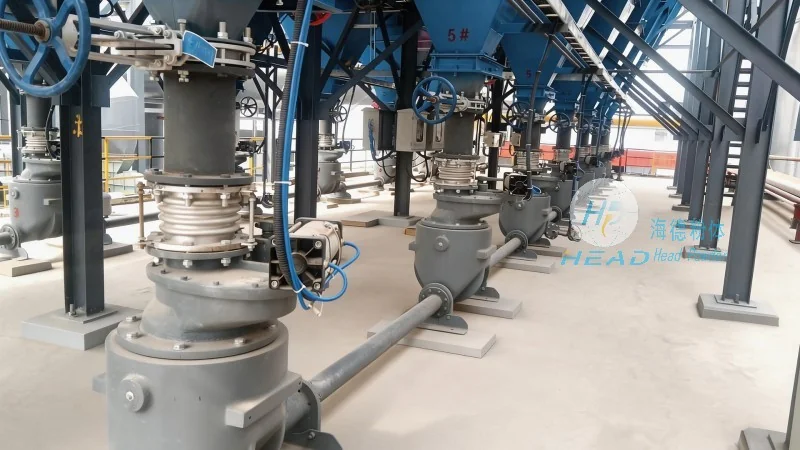
1. Steel Manufacturing: Coke is a critical raw material in the production of steel, and pneumatic conveying is used to transport coke from storage facilities to blast furnaces.
2. Cement Production: Coke is used as a fuel in cement kilns, and the system efficiently transports it to the kiln for combustion.
3. Chemical Manufacturing: In chemical plants, coke particles are used as a source of carbon, and pneumatic conveying ensures safe and efficient transport.
4. Power Generation: Coal-fired power plants use coke as a fuel, and the system helps in the transport of coke to the boilers.
Conclusion
Pneumatic conveying is a highly effective and reliable method for transporting coke particle materials. With its ability to handle abrasive and dusty materials, minimal product degradation, and flexible design, it is an essential technology in modern industrial operations. Shandong HeadPowder Engineering Co., Ltd. provides advanced pneumatic conveying solutions tailored to the specific needs of coke handling applications, ensuring optimal performance and efficiency for its clients.




