For industries dealing with polyester fiber materials, efficient material handling is crucial. Pneumatic conveying systems offer a reliable solution for transporting these materials from one location to another. This article explores the operation process and working principles of such systems, highlighting the key components and the steps involved in the conveying process. The information is provided by Shandong HeadPowder Engineering Co., Ltd., a leading provider of material handling solutions based in China.
Key Components of Pneumatic Conveying Systems
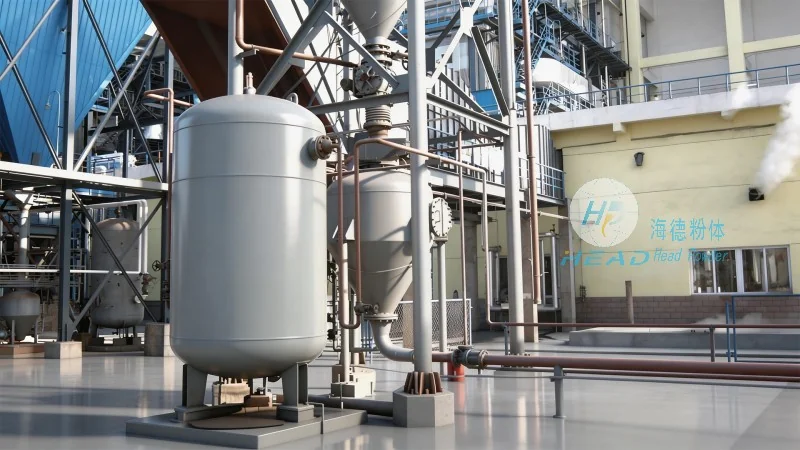
A pneumatic conveying system for polyester fiber materials typically consists of several essential components. These include a material hopper or feeder, a conveyor line (often a pipeline), a blower or air compressor, and a collection hopper or discharge unit. The material hopper is used to store and feed the polyester fibers into the system. The conveyor line, usually made of metal or plastic, transports the fibers through the system using air pressure. The blower or air compressor generates the necessary air flow to move the fibers. Finally, the collection hopper receives the conveyed fibers and discharges them to the next processing stage.
Operation Process of Polyester Fiber Pneumatic Conveying
The operation process of a pneumatic conveying system for polyester fibers involves several steps. First, the polyester fibers are loaded into the material hopper. The feeder then controls the flow rate of the fibers into the conveyor line. Next, the blower or air compressor starts, creating a high-pressure air flow within the pipeline. As the air flows, it entrains the polyester fibers, forming a mixture of air and material. This mixture travels through the conveyor line to the collection hopper. The air is then separated from the fibers in the collection hopper, and the fibers are discharged. The air is typically filtered and recycled back into the system to improve efficiency and reduce energy consumption.
Working Principles of Pneumatic Conveying for Polyester Fibers
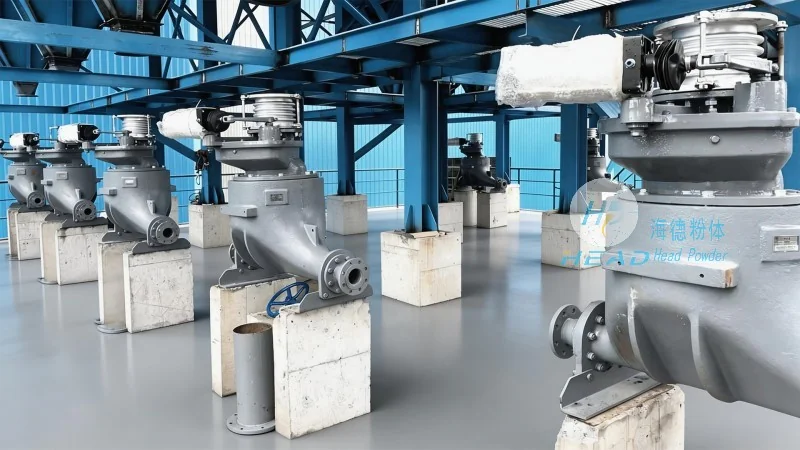
The working principle of pneumatic conveying for polyester fibers is based on the principle of fluidization and air flow. The system uses compressed air to create a flow that carries the fibers through the pipeline. The key is to maintain a consistent air velocity that is sufficient to lift and transport the fibers without causing excessive wear or damage. The design of the system, including the size of the pipeline, the air pressure, and the feeder speed, is critical to achieving optimal performance. Proper maintenance of the components, such as the blower, filters, and conveyor line, is also essential to ensure smooth operation and extend the system's lifespan.
Benefits of Using Pneumatic Conveying for Polyester Fiber Materials
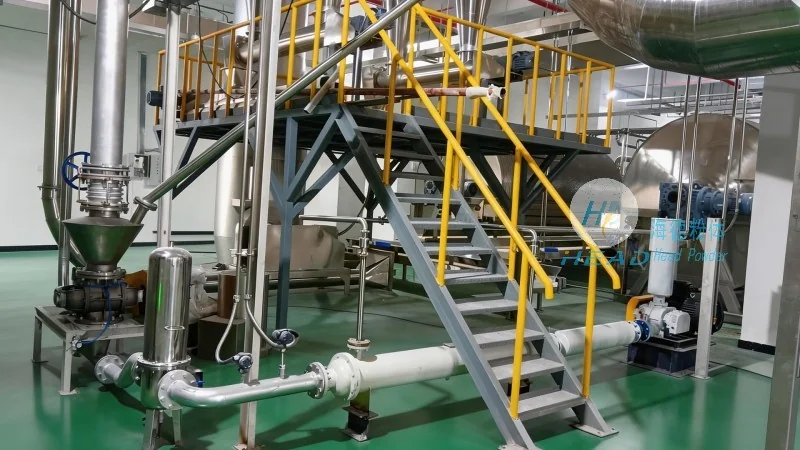
There are several benefits to using pneumatic conveying systems for polyester fiber materials. These systems offer a dust-free and clean operation, which is important for maintaining product quality and safety standards. They also provide a flexible and compact solution for material handling, as the pipeline can be installed in various configurations to suit the layout of the facility. Additionally, pneumatic conveying systems can handle a wide range of fiber sizes and densities, making them suitable for different applications. The systems are also relatively low in maintenance compared to other material handling methods, reducing operational costs over time.
Applications of Pneumatic Conveying in Polyester Fiber Processing
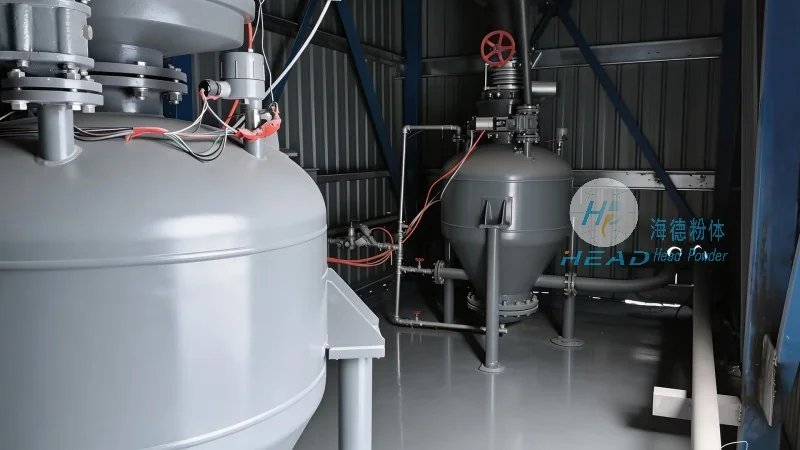
Pneumatic conveying systems are widely used in various applications within the polyester fiber processing industry. They are commonly used in the transportation of raw polyester fibers from storage to the extrusion or spinning machines. The systems are also used to move finished polyester fibers from the spinning or weaving processes to storage or packaging areas. In addition, pneumatic conveying can be used for the transfer of polyester fibers between different processing stages, such as from the drying to the cutting or blending stages. The versatility of the system makes it a valuable tool in modern polyester fiber production lines.
Conclusion and Company Information
Pneumatic conveying systems provide an efficient and reliable method for handling polyester fiber materials. By understanding the operation process and working principles, industries can optimize their material handling operations and improve overall productivity. Shandong HeadPowder Engineering Co., Ltd. specializes in designing and manufacturing customized pneumatic conveying systems tailored to the specific needs of polyester fiber manufacturers. With their expertise and experience, they help clients achieve efficient and cost-effective material handling solutions. The company is based in China and serves clients worldwide with high-quality material handling equipment.




