For industries dealing with foamed granular materials, efficient material handling is crucial. Pneumatic conveying systems offer a reliable solution that combines advanced engineering with practical application. This article explores the operation process and working principle of such systems, highlighting their benefits and the technical aspects that make them effective for material transport.
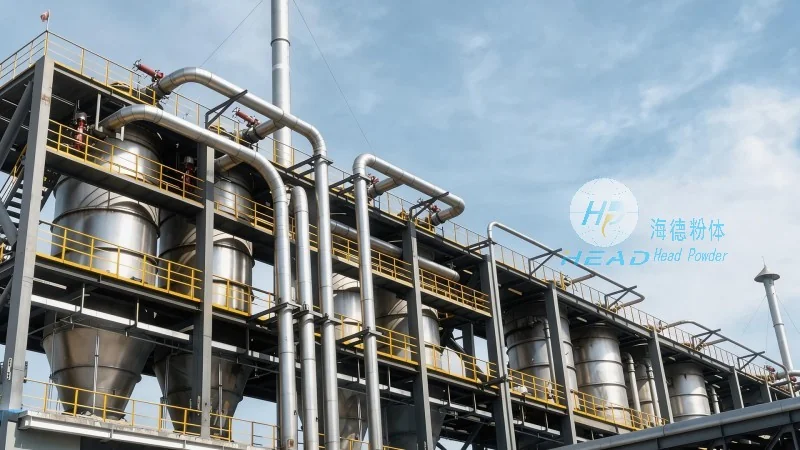
Understanding the Core Components of Pneumatic Conveying Systems
The pneumatic conveying system for foamed granular materials typically consists of several key components. These include a material hopper or feeder, a conveying line (often with bends and valves), a dust collector or filter system, and a blower or compressor to generate the necessary air pressure. Each component plays a vital role in ensuring the smooth and efficient transport of the material from the source to the destination.
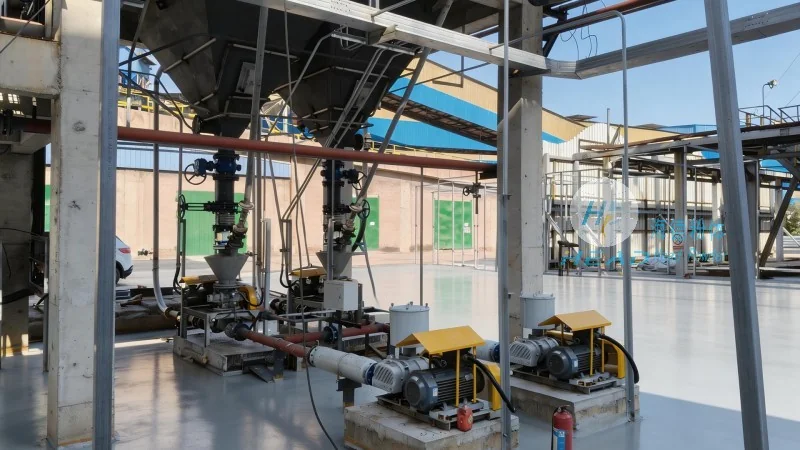
The Operation Process: Step-by-Step Overview
The operation process of a pneumatic conveying system for foamed granular materials involves several sequential steps. First, the material is fed from the hopper into the conveying line. The blower then generates a high-pressure air stream that propels the material particles through the pipeline. As the material travels, it may encounter bends or changes in direction, which are managed by specialized fittings to maintain flow efficiency. At the end of the conveying line, the material is discharged into a collection bin or storage area. The air, now mixed with any residual dust or particles, passes through a filter system to separate the material from the air, ensuring clean operation and compliance with environmental standards.
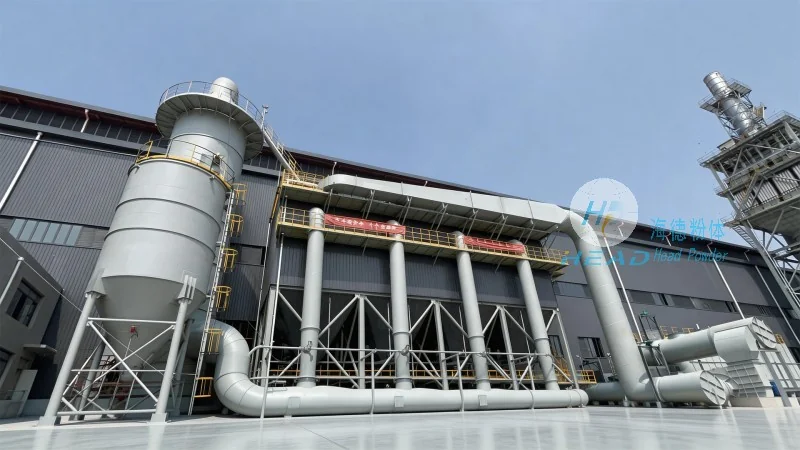
Working Principle: How the System Transfers Material
The working principle of a pneumatic conveying system relies on the fundamental physics of fluid dynamics and particle movement. When the blower creates a high-pressure air flow, it creates a low-pressure zone within the conveying line. This pressure differential causes the foamed granular material to be entrained by the air stream, allowing it to be transported through the pipeline. The system can operate in either positive pressure (where the air is under pressure and pushes the material) or negative pressure (where the air is drawn through the system, pulling the material). The choice of pressure type depends on the material characteristics, distance to be conveyed, and system design requirements.
Benefits and Applications in Industrial Settings
Pneumatic conveying systems for foamed granular materials offer numerous advantages in industrial applications. They provide a dust-free and enclosed transport method, which is essential for maintaining a clean working environment and complying with health and safety regulations. Additionally, these systems are flexible and can be adapted to various material types and conveying distances. Industries such as food processing, pharmaceuticals, and chemical manufacturing often utilize these systems to handle sensitive materials that require minimal contamination and precise control over the transport process.
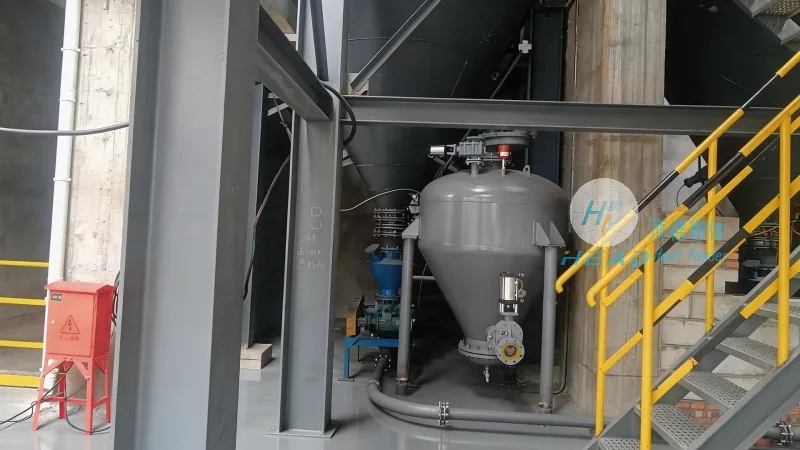
About Shandong HeadPowder Engineering Co., Ltd.
Shandong HeadPowder Engineering Co., Ltd., commonly known as headpowder, is a leading provider of specialized engineering solutions for material handling and processing. With a focus on innovation and customer satisfaction, the company designs and manufactures high-quality pneumatic conveying systems tailored to the unique needs of its clients. HeadPowder's expertise in the field ensures that their systems are efficient, reliable, and compliant with industry standards. The company is headquartered in Shandong, China, and serves a diverse range of industries with its advanced technology and professional service.




