Pneumatic Conveying of Lithium Iron Phosphate (LFP) Materials: Operation Process and Working Princip
Release time:2026-09-21 09:01:45
name of the company:Shandong Headpowder Engineering Co., Ltd.
telephone:156-6277-7102
contacts:Zhang manager
Shandong HeadPowder Engineering Co., Ltd. specializes in advanced material handling solutions, including pneumatic conveying systems tailored for lithium iron phosphate (LFP) materials. This technology is crucial for efficiently transporting LFP powders, which are widely used in lithium-ion batteries due to their high energy density and thermal stability. The following sections detail the operation process and working principle of such systems, highlighting key components and the systematic approach to material transport.
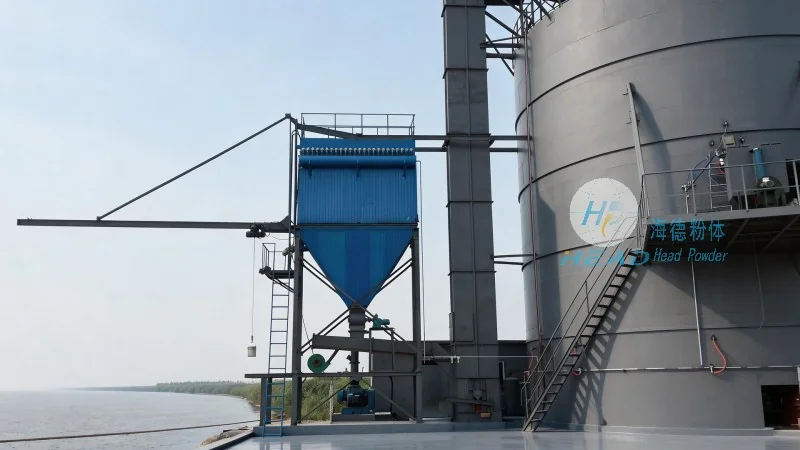
Working Principle of Pneumatic Conveying Systems
Pneumatic conveying operates by transporting solid materials through a pipeline using a gas stream, typically air. The system can function under either positive pressure (where air is forced through the system) or negative pressure (where air is drawn out). For LFP materials, positive pressure systems are commonly preferred as they offer better control over dust generation and material flow. The core principle involves creating a flow of air that entrains the LFP particles, forming a slurry-like mixture known as a "pneumatic stream." This stream moves through the pipeline to the destination point, where separation occurs to recover the material from the air.
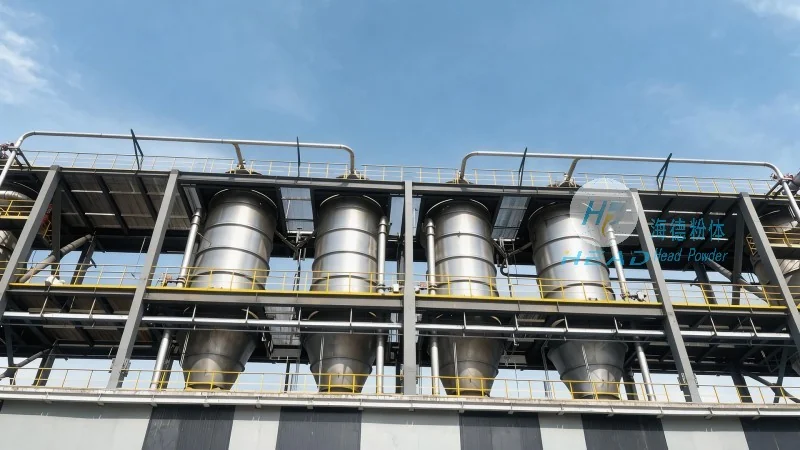
Key Components of the Pneumatic Conveying System
The pneumatic conveying system for LFP materials consists of several critical components that work in tandem to ensure efficient and reliable operation. These include:
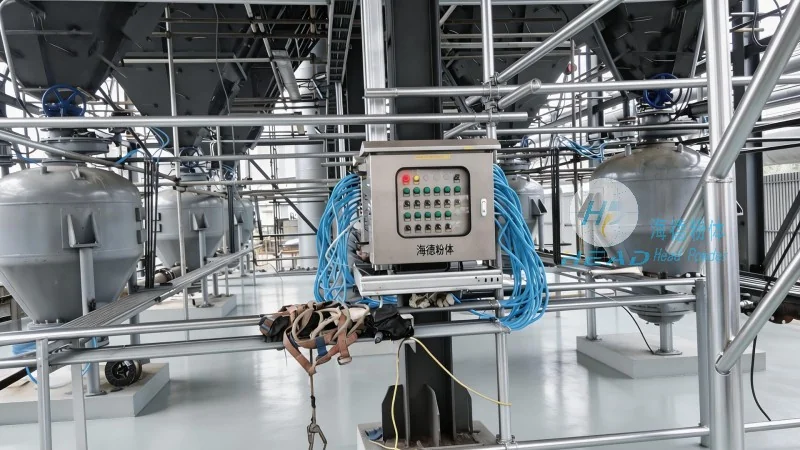
- Feed Hopper and Metering Device: The feed hopper stores the LFP material and feeds it into the system at a controlled rate. The metering device, such as a rotary valve or screw feeder, regulates the material flow to match the desired conveying capacity.
- Air Supply System: This component generates the necessary air pressure or vacuum. It typically includes a blower or compressor for positive pressure systems, or a vacuum pump for negative pressure systems. The air supply is filtered to remove contaminants that could damage the system or contaminate the LFP material.
- Pipeline Network: The conveying pipeline, usually made of stainless steel or other corrosion-resistant materials, transports the LFP-air mixture. The pipeline design considers factors like material flow velocity, pressure drop, and potential for blockages. elbows, bends, and expansion joints are included to accommodate changes in direction and prevent material accumulation.
- Separation and Collection Equipment: At the receiving end, the system separates the LFP material from the air. This is often achieved using a cyclone separator or a bag filter. The separated material is collected in a receiving hopper, while the air is either vented to the atmosphere or recirculated through the system after filtration.
- Control System: An automated control system monitors and regulates the operation of the entire system. It adjusts the air flow rate, material feed rate, and other parameters to maintain optimal performance. Sensors and indicators provide real-time data on pressure, flow rate, and material level, ensuring safe and efficient operation.
Operation Process of Pneumatic Conveying for LFP Materials
The operation process of a pneumatic conveying system for LFP materials follows a systematic sequence to ensure smooth material transport. Here are the key steps:
- Material Preparation: The LFP powder is stored in the feed hopper. The material is pre-screened to remove oversized particles or contaminants that could cause blockages in the system.
- Initiation of Air Flow: The air supply system is activated, establishing the required pressure or vacuum in the pipeline. The air flow rate is adjusted to match the material feed rate.
- Material Feeding: The metering device starts feeding the LFP material into the pipeline. The material is entrained by the air stream, forming a consistent pneumatic mixture.
- Pipeline Transport: The LFP-air mixture travels through the pipeline to the destination point. The velocity of the air stream is maintained above the minimum required to prevent material settling or blockage.
- Separation and Collection: At the receiving end, the mixture enters a separator. The centrifugal force in the cyclone or the filtration action in the bag filter separates the LFP material from the air. The material is collected in the receiving hopper, and the air is either vented or recirculated.
- System Shutdown: When the conveying operation is complete, the air flow is stopped, and the system is depressurized. The receiving hopper is emptied, and the system is prepared for the next cycle.
Advantages of Pneumatic Conveying for LFP Materials
Pneumatic conveying offers several advantages for handling LFP materials, making it a preferred choice in battery manufacturing and material processing industries:
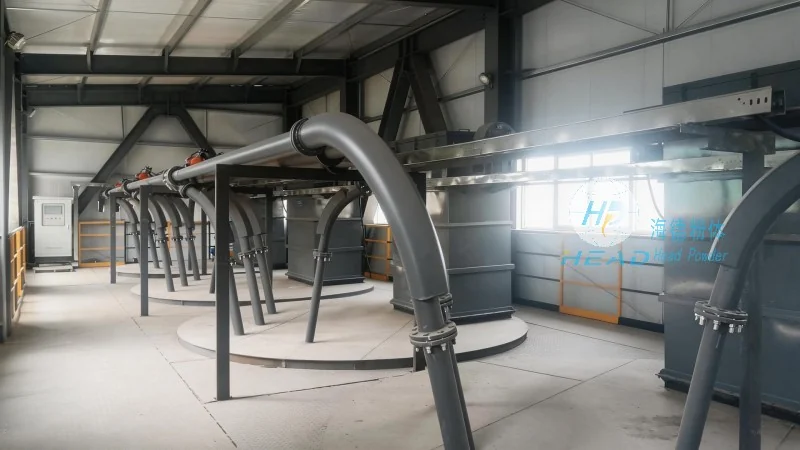
- Efficiency and Speed: The system can transport LFP materials over long distances at high speeds, reducing processing time and increasing production throughput.
- Low Maintenance: Compared to mechanical conveying systems (e.g., belt conveyors), pneumatic systems have fewer moving parts, leading to lower maintenance requirements and longer service life.
- Dust Control: Positive pressure systems effectively contain dust within the pipeline, minimizing environmental contamination and ensuring a safe working environment.
- Flexibility: The system can be easily reconfigured to handle different material types or transport distances by adjusting the air flow rate and pipeline design.
- Hygienic and Clean: Stainless steel components and enclosed systems prevent material contamination, which is critical for LFP powders used in battery applications where purity is essential.
Conclusion
Shandong HeadPowder Engineering Co., Ltd. provides advanced pneumatic conveying solutions for lithium iron phosphate (LFP) materials, leveraging a deep understanding of material handling principles and industrial applications. The operation process and working principle of these systems ensure efficient, reliable, and safe transport of LFP powders, supporting the growing demand for high-performance lithium-ion batteries. By integrating robust components and automated controls, the company's systems deliver consistent performance and meet the stringent requirements of modern battery manufacturing processes.




