HeadPowder, a leading engineering company based in Shandong, China, specializes in advanced material handling solutions, particularly in the field of pneumatic conveying for high-calcium limestone powder materials. This article provides a detailed overview of the operational process and working principles behind this technology, highlighting the efficiency and reliability it offers for industrial applications.
Company Overview and Expertise
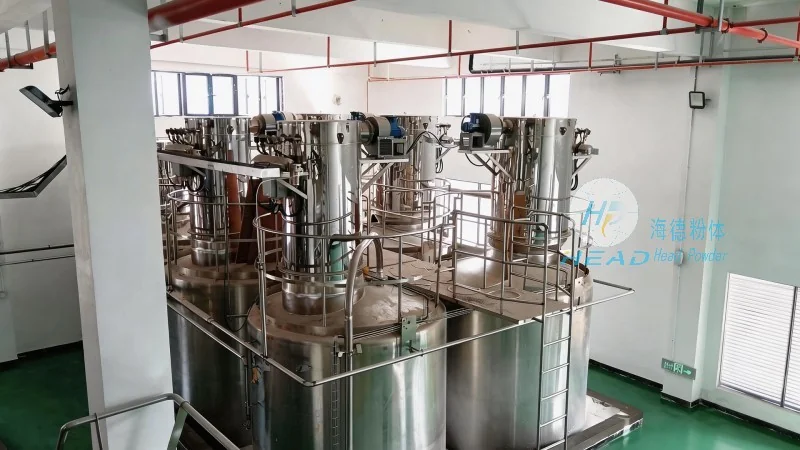
Shandong HeadPowder Engineering Co., Ltd. is a reputable enterprise dedicated to providing innovative engineering solutions for material transportation and processing. With a strong focus on pneumatic conveying systems, the company leverages decades of experience to design, manufacture, and implement systems tailored to the unique needs of high-calcium limestone powder handling. The company's commitment to quality and technological advancement ensures that its solutions meet the highest industry standards, making it a trusted partner for businesses in the mining, construction, and chemical sectors.
Understanding Pneumatic Conveying for High-Calcium Limestone Powder
Pneumatic conveying is a method of transporting bulk materials, such as high-calcium limestone powder, through a pipeline using a gas stream, typically air or other gases. This technology offers a flexible and efficient alternative to traditional mechanical conveying methods like belt conveyors or screw conveyors. For high-calcium limestone powder, which is often used in cement production, steel manufacturing, and other industrial processes, pneumatic conveying provides several advantages, including reduced dust generation, improved material quality, and enhanced safety in handling operations.
The Working Principle of Pneumatic Conveying Systems
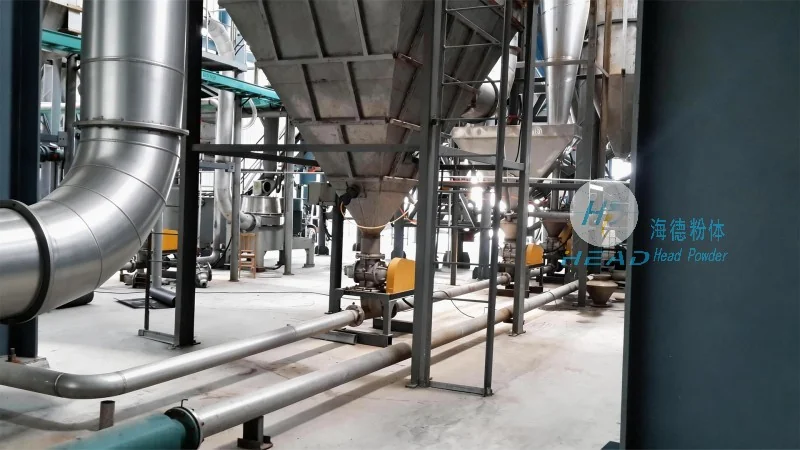
The core of a pneumatic conveying system for high-calcium limestone powder involves the use of a blower or compressor to generate a high-velocity air stream within a pipeline. The powder is then introduced into the system, either by gravity or through a feeder, and is entrained by the air flow. The mixture of powder and air travels through the pipeline to the destination point, where it is separated from the air using a separator or cyclone. The separated powder is then collected and stored, while the air is either filtered and recirculated or released to the atmosphere. The efficiency of this process depends on several factors, including the air velocity, the particle size and density of the limestone powder, and the design of the conveying system components.
Key Components and Their Roles in the Conveying Process
Several critical components work together to ensure the smooth operation of a pneumatic conveying system for high-calcium limestone powder. These include:
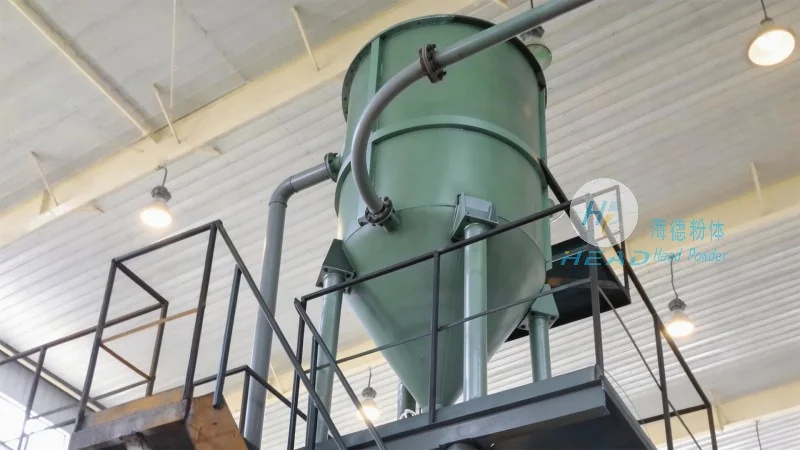
- Feeder: The feeder is responsible for introducing the limestone powder into the pipeline at a controlled rate. Different types of feeders, such as rotary valves or screw feeders, are used depending on the specific requirements of the application.
- Blower or Compressor: This component generates the necessary air pressure and flow rate to move the powder through the pipeline. The choice of blower (positive displacement or centrifugal) depends on the system's capacity and the characteristics of the material being conveyed.
- Pipeline System: The pipeline network forms the main path for the powder and air mixture. It is typically made of materials like stainless steel or plastic, selected based on the corrosive properties of the limestone powder and the operating conditions.
- Separator or Cyclone: The separator is used to separate the limestone powder from the air stream at the end of the conveying line. This component uses centrifugal force to separate the heavier powder particles from the lighter air, ensuring that the powder is collected efficiently and the air is cleaned before recirculation.
- Filter System: In some systems, a filter is employed to remove any fine particles from the air stream before it is recirculated. This helps maintain the cleanliness of the system and prevents dust accumulation in the equipment.
Operational Process of High-Calcium Limestone Powder Pneumatic Conveying
The operational process of a pneumatic conveying system for high-calcium limestone powder involves several sequential steps:
- Powder Preparation: The high-calcium limestone powder is prepared by grinding the raw limestone to the desired particle size. Proper particle size distribution is crucial for efficient conveying, as it affects the air-powder ratio and the overall system performance.
- Feeding: The prepared powder is fed into the system using a feeder, which maintains a consistent flow rate. This step ensures that the powder is introduced into the pipeline at a controlled rate, preventing blockages or uneven flow.
- Conveying: The blower generates a high-velocity air stream, which entrains the limestone powder and moves it through the pipeline. The air velocity is carefully controlled to ensure that the powder particles are fully suspended and transported without settling or clogging.
- Separation: At the destination point, the powder and air mixture enters a separator or cyclone. The centrifugal force in the separator causes the heavier powder particles to be separated from the air and collected in a hopper.
- Collection and Storage: The separated limestone powder is collected in a storage hopper or silo, ready for further processing or use in industrial applications.
- Air Recirculation: The air, now filtered and cleaned, is recirculated back to the blower or released to the atmosphere, depending on the system design and environmental regulations.
Advantages of Pneumatic Conveying for High-Calcium Limestone Powder
Pneumatic conveying offers several advantages over traditional mechanical conveying methods for high-calcium limestone powder:
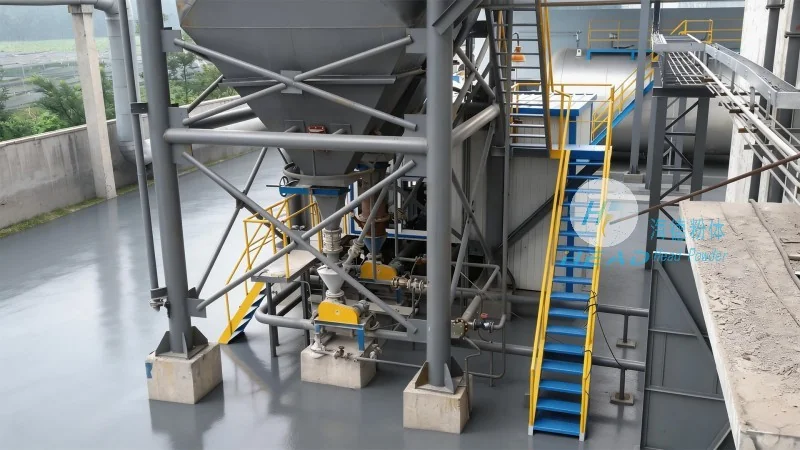
- Reduced Dust and Pollution: Unlike mechanical conveyors, which can generate significant dust, pneumatic systems are enclosed, minimizing dust emissions and improving workplace safety.
- Improved Material Quality: The enclosed system prevents contamination from external sources and maintains the purity of the limestone powder, which is critical for applications like cement production where material quality directly impacts product quality.
- Flexibility and Scalability: Pneumatic conveying systems can be easily modified or expanded to accommodate changes in production volume or material requirements. The pipeline layout can be adapted to fit the specific layout of a facility, providing flexibility in system design.
- Enhanced Safety: The enclosed nature of the system reduces the risk of accidents related to material handling, such as falls or collisions, and minimizes exposure to dust and other airborne particles.
- Energy Efficiency: Modern pneumatic conveying systems are designed to be energy-efficient, with optimized air flow and pressure control that reduce energy consumption compared to traditional methods.
Applications and Industries Served
The pneumatic conveying technology for high-calcium limestone powder is widely used in various industries, including:
- Cement Manufacturing: High-calcium limestone is a primary raw material in cement production. Pneumatic conveying is used to transport the limestone from storage silos to the cement kilns, ensuring a consistent and efficient supply of raw material.
- Steel Production: Limestone is used as a flux in steelmaking processes to remove impurities from the iron ore. Pneumatic conveying systems efficiently transport limestone to the steel furnaces, contributing to the overall efficiency of the steel production process.
- Chemical Industry: In chemical manufacturing, limestone is used as a raw material or as a filler in various products. Pneumatic conveying provides a reliable method for transporting limestone to chemical processing plants.
- Construction Materials: Limestone powder is used in the production of concrete, mortar, and other construction materials. Pneumatic systems ensure the efficient and safe delivery of limestone powder to construction sites or processing facilities.
Conclusion
HeadPowder Engineering Co., Ltd. specializes in providing advanced pneumatic conveying solutions for high-calcium limestone powder materials. By understanding the operational process and working principles of these systems, industries can benefit from improved efficiency, reduced costs, and enhanced safety in material handling operations. The company's expertise in designing and implementing customized pneumatic conveying systems ensures that clients receive solutions tailored to their specific needs, supporting their operational goals and contributing to the overall success of their businesses.




