HeadPowder, a leading provider of pneumatic conveying solutions, specializes in the efficient and reliable transport of plastic granule materials. Based in Shandong, China, Shandong HeadPowder Engineering Co., Ltd. offers advanced pneumatic conveying systems designed to meet the unique needs of plastic granule handling. This article explores the operation process and working principles of these systems, highlighting their technical features and practical applications.
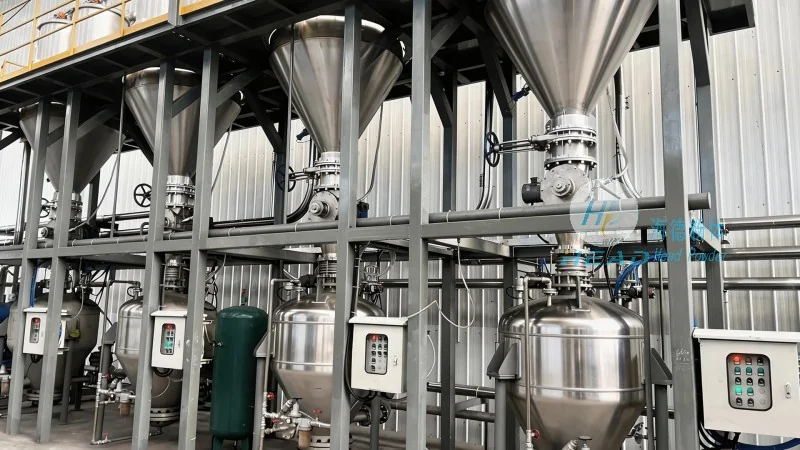
Understanding Pneumatic Conveying Systems for Plastic Granules
Pneumatic conveying is a method of transporting bulk materials, such as plastic granules, through a pipeline using a stream of air or gas. Unlike mechanical conveying systems that rely on belts, screws, or buckets, pneumatic systems utilize air pressure to move materials, offering advantages like reduced equipment wear, lower maintenance costs, and the ability to handle materials with high moisture content or abrasive properties. For plastic granules, which are often lightweight and prone to static, pneumatic conveying provides a gentle yet effective means of transport, preserving material integrity and minimizing degradation.
Key Components of a Pneumatic Conveying System for Plastic Granules
The effectiveness of a pneumatic conveying system for plastic granules depends on its integrated components, each playing a critical role in the overall operation. The primary components include:
- Feeder: The feeder is responsible for introducing plastic granules into the conveying line at a controlled rate. For plastic granules, which can be prone to bridging or clogging, a suitable feeder like a rotary valve or a screw feeder is essential to ensure consistent material flow and prevent blockages.
- Conveying Line: The pipeline through which the plastic granules and air travel. The line is typically made of materials like stainless steel or plastic, chosen based on the properties of the plastic granules (e.g., chemical resistance, temperature tolerance). The diameter and length of the line are critical factors that affect the system's capacity and efficiency.
- Blower or Fan: The power source that generates the air or gas flow. For plastic granules, a blower with sufficient pressure and volume is required to overcome resistance in the pipeline and maintain the material in suspension. The choice of blower (e.g., positive displacement or centrifugal) depends on the system's design and the material's characteristics.
- Receiver: The container where the plastic granules are deposited after being conveyed. The receiver is designed to handle the material's properties, such as static charge or moisture, and may include features like grounding or moisture control to maintain material quality.
- Control System: The system that monitors and regulates the operation of the pneumatic conveying equipment. This includes sensors for pressure, flow, and level, as well as controls for the feeder, blower, and receiver, ensuring safe and efficient operation.
The Operation Process of Pneumatic Conveying for Plastic Granules
The operation of a pneumatic conveying system for plastic granules involves a series of steps that ensure smooth and continuous material transport. The process typically begins with the plastic granules being fed into the system at a controlled rate. The feeder then introduces the granules into the conveying line, where they are mixed with the air stream generated by the blower. The air flow, combined with the material's properties, creates a suspension of plastic granules in the air, allowing them to be transported through the pipeline.
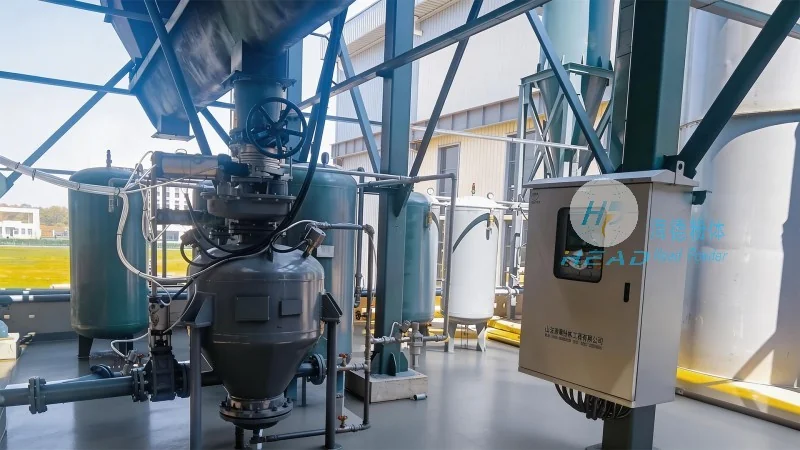
As the mixture travels through the conveying line, the system maintains a consistent air velocity to keep the plastic granules in suspension. The line may include bends, expansions, or reductions, which are designed to minimize pressure loss and prevent material deposition. The receiver at the end of the line collects the conveyed plastic granules, where they are discharged and prepared for further processing or storage.
During operation, the control system continuously monitors key parameters such as pressure, flow rate, and material level. Any deviations from the set points are automatically adjusted by the system to maintain optimal performance. For example, if the pressure drops, the blower may increase its output to maintain the required air flow, ensuring the plastic granules remain in suspension and the conveying process continues without interruption.
Working Principle of Pneumatic Conveying for Plastic Granules
The working principle of pneumatic conveying for plastic granules is based on the fundamental concept of fluidization and suspension. When air is introduced into the conveying line at a sufficient velocity, it creates a turbulent flow that lifts the plastic granules off the pipe walls and keeps them suspended in the air stream. This suspension allows the material to be transported through the pipeline with minimal friction and wear, compared to mechanical conveying systems.
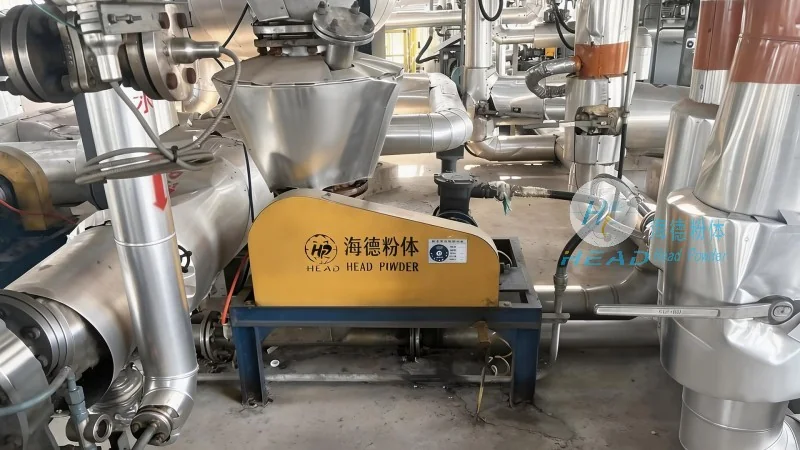
For plastic granules, which are often lightweight and have a relatively low density, the air velocity required to maintain suspension is typically lower than for heavier materials. However, the system must still generate enough pressure to overcome the resistance in the pipeline, including friction losses and the weight of the material column. The balance between air velocity and pressure is critical to achieving efficient and reliable transport.
Another key aspect of the working principle is the interaction between the plastic granules and the air stream. The air flow not only transports the material but also helps to control factors such as static charge and moisture. For example, the air stream can help dissipate static electricity, which is common in plastic granules, preventing material buildup and ensuring safe operation. Additionally, the air flow can help remove moisture from the material, improving its quality and reducing the risk of degradation during transport.
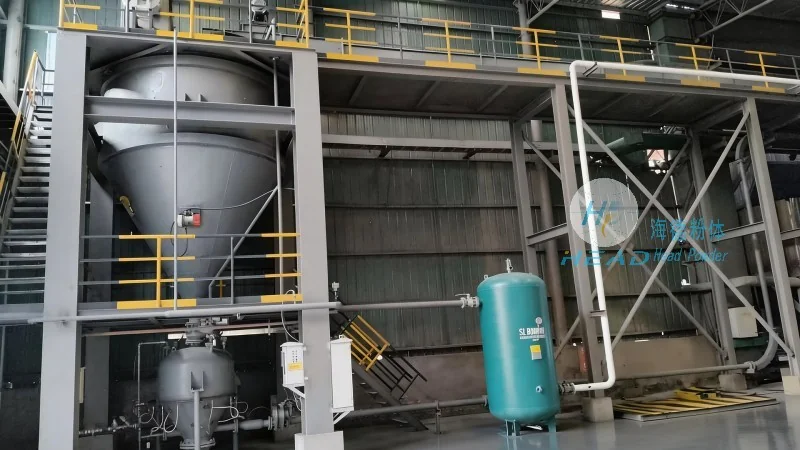
Advantages of Pneumatic Conveying for Plastic Granules
Pneumatic conveying systems for plastic granules offer several advantages over traditional mechanical conveying methods. These include:
- Reduced Equipment Wear: Since the plastic granules are suspended in the air, there is minimal contact with the pipe walls or other equipment components, reducing wear and extending the lifespan of the system.
- Lower Maintenance Costs: The absence of moving parts in the conveying line (except for the feeder and blower) reduces the need for frequent maintenance, resulting in lower operational costs.
- Improved Material Integrity: The gentle transport of plastic granules minimizes degradation, such as crushing or breakage, which is crucial for maintaining the quality of the material for further processing.
- Flexibility in Layout: Pneumatic conveying systems can be easily integrated into existing facilities, with the ability to change the layout or direction of the pipeline as needed, providing flexibility in material handling operations.
- Ability to Handle Moisture and Static: The air stream helps to control moisture and static charge, ensuring the plastic granules remain in good condition during transport.
Applications of Pneumatic Conveying for Plastic Granules
Pneumatic conveying systems for plastic granules are widely used in various industries, including:
- Plastic Manufacturing: In the production of plastic products, pneumatic conveying is used to transport raw plastic granules from storage to processing equipment, such as extruders or injection molding machines.
- Plastic Recycling: In recycling facilities, pneumatic conveying is used to transport recycled plastic granules from sorting and washing processes to storage or further processing.
- Chemical and Pharmaceutical Industries: While primarily used for plastic granules, pneumatic conveying systems can also handle other fine materials that require gentle transport, such as chemicals or pharmaceutical powders.
- Food and Beverage Industries: In some cases, pneumatic conveying is used to transport food-grade plastic granules, though this requires specialized equipment to ensure compliance with food safety regulations.
Conclusion
HeadPowder, with its expertise in pneumatic conveying systems, provides reliable and efficient solutions for the transport of plastic granule materials. By understanding the operation process and working principles of these systems, users can optimize their material handling operations, reduce costs, and improve product quality. The integration of advanced components and control systems ensures that pneumatic conveying remains a preferred method for transporting plastic granules in modern industrial applications.




