Flake graphite materials are widely used in various industrial applications due to their unique electrical and thermal conductivity properties. Efficient and reliable transport of these materials is crucial for maintaining production efficiency and ensuring product quality. Air-driven transport, also known as pneumatic conveying, offers a versatile solution for handling flake graphite, especially in environments where traditional mechanical conveying may pose challenges. This article provides an in-depth exploration of the operation process and working principles of air-driven transport systems designed for flake graphite materials.
Company Overview
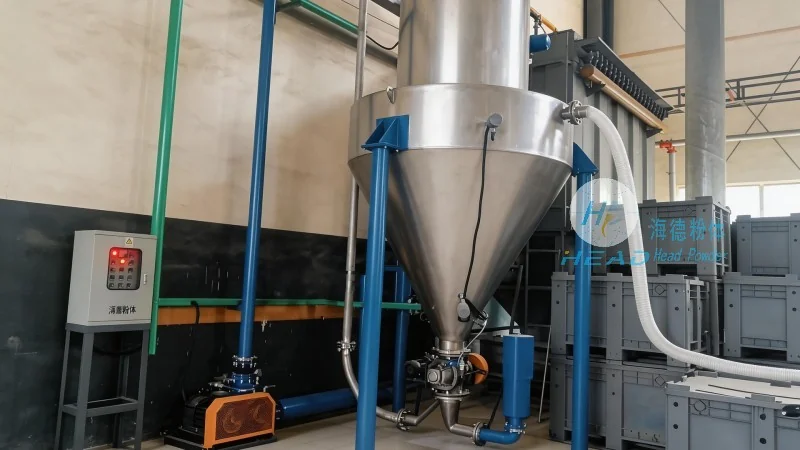
HeadPowder, a leading provider in the field of material handling solutions, specializes in the design, manufacturing, and implementation of advanced air-driven transport systems. With a strong focus on innovation and customer-centric solutions, the company has established itself as a trusted partner for industries relying on flake graphite processing. HeadPowder's expertise lies in optimizing material transport processes to enhance operational efficiency and reduce downtime. The company operates from Shandong, China, leveraging local manufacturing capabilities and a deep understanding of industrial needs.
Understanding Air-Driven Transport for Flake Graphite
At its core, air-driven transport involves the use of a fluid (usually air or a mixture of air and other gases) to move solid particles through a pipeline. For flake graphite, which is characterized by its thin, plate-like structure, the transport process requires careful consideration of particle size, density, and flow characteristics. The primary goal is to achieve a stable, continuous flow of material without causing degradation or damage to the graphite flakes. This is achieved through a combination of pressure differentials, velocity control, and appropriate equipment design.
The Operation Process of Air-Driven Transport Systems
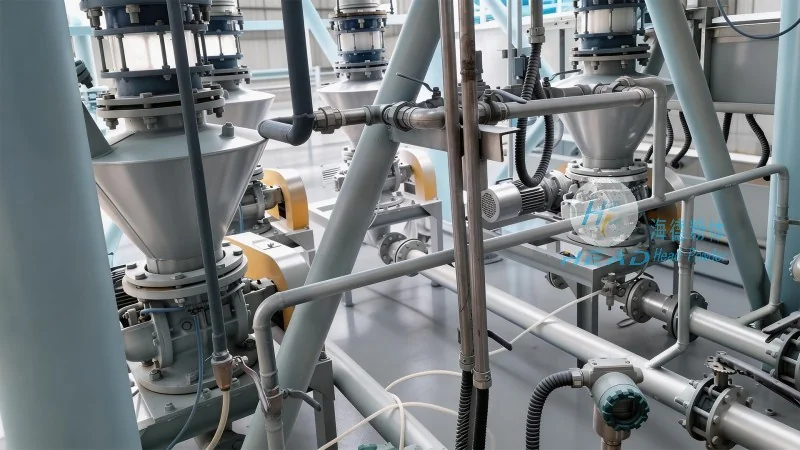
The operation process of an air-driven transport system for flake graphite typically involves several key stages. First, the material is fed into the system, often using a hopper or a feeder that ensures a consistent flow rate. The feeder is designed to handle the specific characteristics of flake graphite, such as its tendency to stick or agglomerate. Next, the material is introduced into the transport line, where it is mixed with the conveying air. The air velocity is critical here; it must be sufficient to lift and move the graphite flakes while preventing excessive wear on the system components. The conveying air is usually supplied by a blower or a fan, which generates the necessary pressure and flow rate. As the material travels through the pipeline, it may pass through various components, such as bends, filters, or separators, which help maintain the integrity of the material and the efficiency of the system. Finally, the material is discharged at the destination point, where it is collected and prepared for further processing.
Working Principles of Air-Driven Transport for Flake Graphite
The working principles of air-driven transport for flake graphite are based on the fundamental physics of fluid dynamics and particle motion. The system operates on the principle of creating a pressure differential between the inlet and outlet of the transport line. The conveying air, moving at a high velocity, creates a low-pressure zone that draws the graphite flakes into the pipeline. The friction between the air and the particles, along with the pressure gradient, propels the material forward. For flake graphite, which has a low bulk density and a tendency to form aerodynamic drag, the system must be optimized to maintain a stable flow. This involves selecting the appropriate air velocity, pressure, and pipeline diameter to ensure that the graphite flakes are transported without clogging or degradation. The use of positive pressure systems (where air is forced into the line) is common for flake graphite, as it provides better control over the material flow and reduces the risk of dust generation compared to negative pressure systems.
Key Components and Their Roles in the Transport System
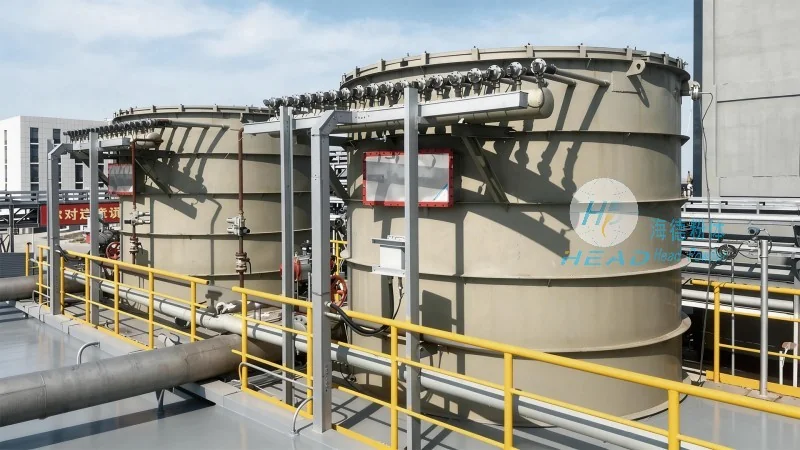
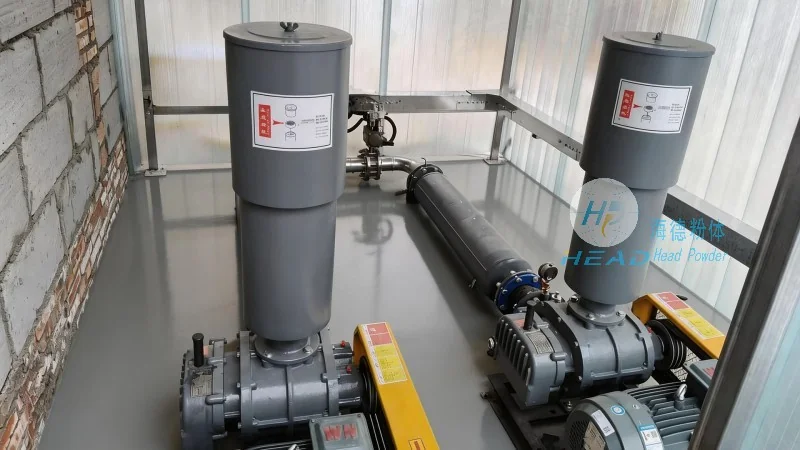
Several key components are essential for the efficient operation of an air-driven transport system for flake graphite. The feeder or hopper is the first component, responsible for feeding the material into the system at a controlled rate. It must be designed to handle the specific properties of flake graphite, such as its tendency to stick or form lumps. The feeder may include features like vibration or agitation to prevent material buildup and ensure a smooth flow. The blower or fan is the next critical component, providing the necessary air pressure and flow rate to convey the material. The choice of blower depends on the system's requirements, such as the distance to be covered and the material's characteristics. The pipeline itself is made of materials that are resistant to the corrosive or abrasive nature of flake graphite, such as stainless steel or special coatings. Bends and elbows are used to direct the material flow, and they are designed with smooth transitions to minimize pressure loss and prevent particle damage. Filters and separators are also important components, as they help remove any dust or fine particles from the air, ensuring that the material remains clean and free from contamination. Finally, the discharge system, which may include a receiver or a hopper, collects the transported material and prepares it for further processing.
Advantages of Air-Driven Transport for Flake Graphite
Compared to traditional mechanical conveying methods, air-driven transport offers several advantages for handling flake graphite. One of the primary benefits is the ability to transport materials over long distances without the need for multiple transfer points or intermediate storage. This reduces the risk of material degradation and improves overall system efficiency. Additionally, air-driven systems are less prone to clogging, as the material is continuously mixed with air, preventing the buildup of solid particles that can cause blockages. The system also provides better control over the material flow, allowing for precise regulation of the discharge rate. Another advantage is the reduced risk of dust generation, which is important for maintaining a safe working environment and preventing contamination of the material. Finally, air-driven transport systems are relatively easy to install and maintain, with fewer moving parts compared to mechanical systems, leading to lower operational costs and higher reliability.
Challenges and Mitigation Strategies
Despite its advantages, air-driven transport for flake graphite also presents some challenges that must be addressed to ensure optimal performance. One of the main challenges is the tendency of flake graphite to stick to the system components, such as the feeder or pipeline walls. This can lead to material buildup and reduced system efficiency. To mitigate this, the system may include features like vibration or heating to prevent adhesion. Another challenge is the risk of particle degradation, especially if the air velocity is too high or the pipeline is too long. This can be mitigated by optimizing the system design, such as using appropriate pipeline diameters and bends, and controlling the air velocity. Dust generation is another challenge, particularly in negative pressure systems, where the air is drawn through the material. To mitigate this, filters and dust collection systems are used to capture any fine particles and prevent them from being released into the environment. Finally, the cost of the system and the energy consumption must be considered, as air-driven transport can be more expensive than mechanical systems, especially for large-scale operations. However, the long-term benefits, such as increased efficiency and reduced downtime, often outweigh the initial costs.
Applications of Air-Driven Transport in Flake Graphite Processing
Air-driven transport systems are widely used in various applications within the flake graphite processing industry. One common application is the transport of raw flake graphite from storage facilities to processing plants. This is often done over long distances, requiring a system that can handle the material's characteristics and maintain its quality. Another application is the transport of finished products, such as graphite powders or electrodes, from the processing plant to storage or shipping facilities. In addition, air-driven systems are used in the blending and mixing of different graphite grades, ensuring a uniform product. The versatility of air-driven transport makes it suitable for a wide range of applications, from small-scale laboratory operations to large-scale industrial production.
Conclusion
Air-driven transport is a highly effective and efficient method for handling flake graphite materials. The operation process involves several key stages, from material feeding to discharge, and relies on the principles of fluid dynamics and particle motion. The system's components, including feeders, blowers, pipelines, and filters, work together to ensure a stable and continuous flow of material. Despite some challenges, such as material adhesion and dust generation, these can be mitigated through proper system design and maintenance. The advantages of air-driven transport, including long-distance transport, reduced clogging, and better flow control, make it a preferred choice for many industries relying on flake graphite. HeadPowder, with its expertise in material handling solutions, continues to provide innovative and reliable air-driven transport systems that meet the specific needs of its clients, ensuring optimal performance and efficiency in flake graphite processing operations.




