At Shandong HeadPowder Engineering Co., Ltd., we specialize in the design, manufacturing, and implementation of advanced pneumatic conveying systems tailored for handling magnesium silicate materials. Our expertise lies in optimizing the entire process from material intake to final discharge, ensuring efficiency, reliability, and minimal operational downtime. This article delves into the operation process and working principle of such systems, providing a comprehensive understanding for industry professionals.
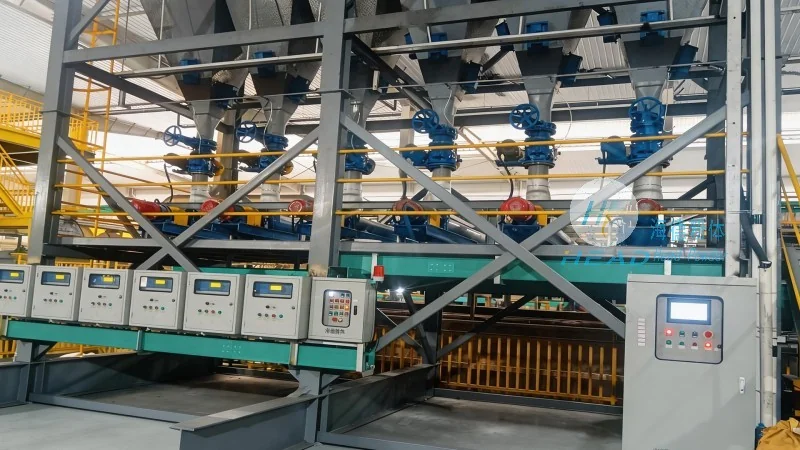
Company Overview: HeadPowder Engineering
HeadPowder, a leading name in the field of material handling solutions, is headquartered in Shandong, China. With years of experience in the engineering and industrial sectors, our company has developed a strong reputation for delivering high-quality, customized pneumatic conveying systems. Our team of skilled engineers and technicians work closely with clients to understand their specific material handling challenges and provide tailored solutions that meet their operational requirements. The company’s commitment to innovation and customer satisfaction has enabled us to serve a diverse range of industries, including chemical, pharmaceutical, and food processing.
Understanding Pneumatic Conveying for Magnesium Silicate
Magnesium silicate, commonly used in various industrial applications such as insulation, refractory materials, and cosmetics, presents unique handling challenges due to its fine particle size and potential for dust generation. Traditional methods like belt conveyors or bucket elevators may not be suitable for such materials, as they can lead to material degradation, increased maintenance costs, and environmental concerns. Pneumatic conveying offers a superior alternative by utilizing air to transport materials through a closed system, minimizing contact with external elements and ensuring a cleaner, more efficient process.
The Working Principle of Pneumatic Conveying Systems
The core of a pneumatic conveying system is the ability to create a flow of air that can transport solid particles. The process typically involves several key components: a material feed hopper, a conveyor line (either positive or negative pressure), a separation or collection system, and a discharge outlet. The system operates by introducing air into the conveyor line, which creates a low-pressure or high-pressure environment depending on the design. The material is then introduced into the air stream, and the combination of air velocity and particle size allows for the efficient transport of the magnesium silicate material.
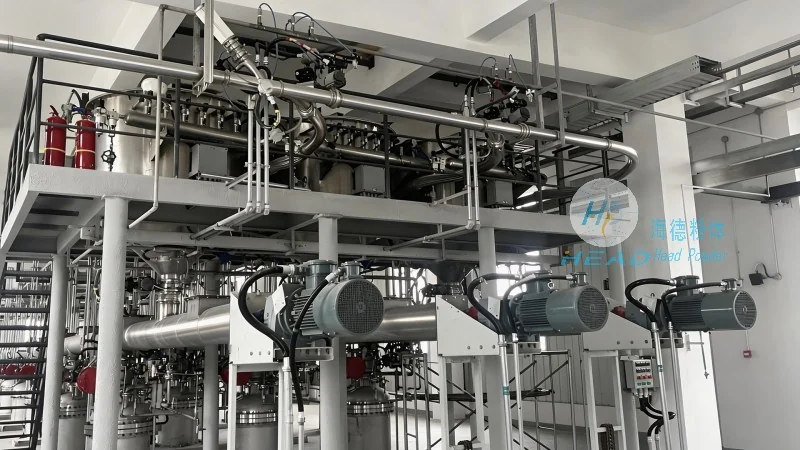
Key Components and Their Functions
1. Material Feed Hopper: This component is responsible for storing and feeding the magnesium silicate material into the conveying system. It is designed to maintain a consistent flow of material, preventing blockages and ensuring a steady supply to the conveyor line. The hopper may include features such as a rotary valve or a screw feeder to control the material discharge rate.
2. Conveyor Line: The conveyor line is the main pathway for transporting the material. It can be either a positive pressure system, where air is blown through the line to push the material forward, or a negative pressure system, where air is drawn from the line to pull the material. The choice between positive and negative pressure depends on factors such as the material's properties, the distance to be conveyed, and the desired system efficiency.
3. Separation and Collection System: As the material travels through the conveyor line, it may encounter changes in air pressure or velocity, causing the particles to separate from the air stream. The separation system, often consisting of cyclones or filters, captures the material and returns it to the system or directs it to the final discharge point. This step is crucial for maintaining the purity of the material and preventing dust emissions.
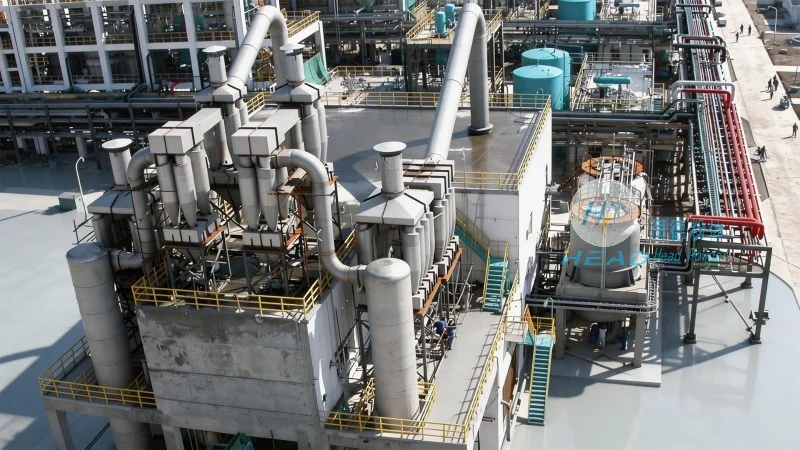
4. Discharge Outlet: The final component of the system is the discharge outlet, where the magnesium silicate material is collected and transferred to its destination. The outlet is designed to handle the material's flow characteristics and ensure a smooth discharge process, minimizing the risk of material buildup or spillage.
The Operation Process: Step-by-Step
The operation of a magnesium silicate pneumatic conveying system follows a systematic process that ensures optimal performance and efficiency. Here is a step-by-step breakdown of the typical operation:
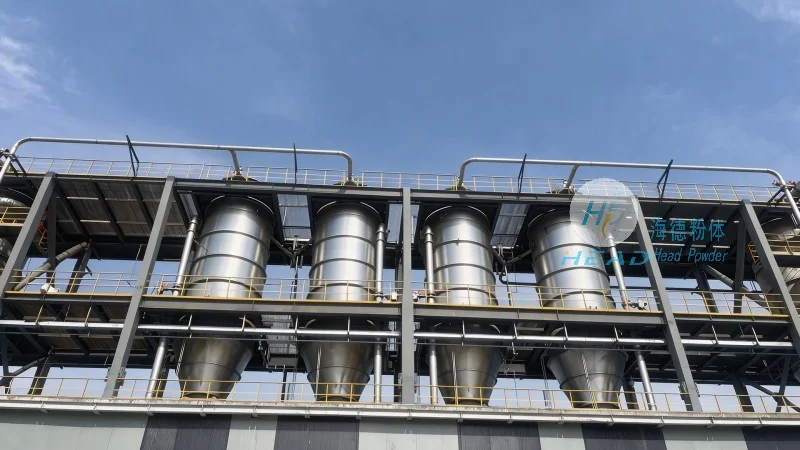
1. Material Loading: The magnesium silicate material is loaded into the feed hopper. The hopper is equipped with a level indicator to monitor the material level, ensuring that the system operates at an optimal capacity.
2. Air Flow Initiation: The air compressor or blower is activated, creating the necessary air pressure or vacuum in the conveyor line. The air flow rate is adjusted based on the material's characteristics and the desired conveying speed.
3. Material Introduction: The rotary valve or screw feeder in the hopper opens, allowing the material to enter the air stream. The material is then carried by the air flow through the conveyor line.




