Straw ash, a byproduct of biomass combustion processes, often requires efficient and reliable transport methods for handling and processing. Air-driven transport, or pneumatic conveying, offers a viable solution for moving these materials over varying distances and within industrial settings. Understanding the operation process and working principles of such systems is crucial for optimizing performance and ensuring safe, effective material handling.
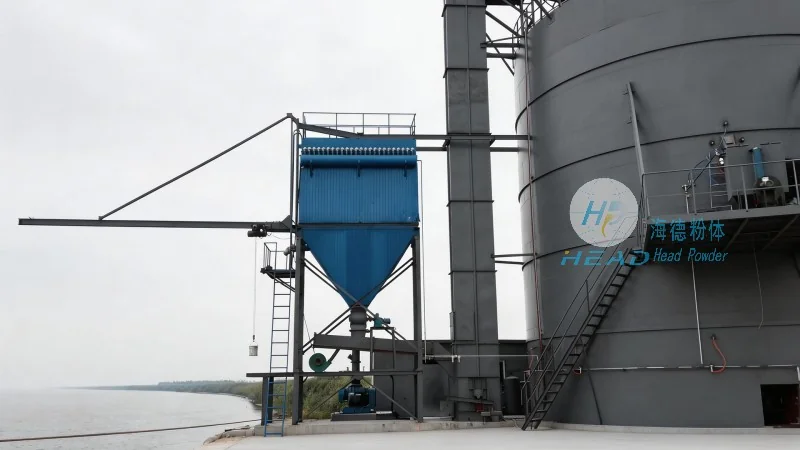
Company Introduction
HeadPowder, a leading engineering firm based in Shandong, China, specializes in the design, development, and implementation of advanced material handling solutions. With a strong focus on innovation and customer-centric approaches, the company has established itself as a trusted partner in the field of pneumatic conveying systems. HeadPowder's expertise lies in tailoring solutions to meet the unique requirements of clients, particularly in the agricultural and biomass processing sectors.
Overview of Air-Driven Transport Systems
Air-driven transport systems utilize compressed air to move bulk materials through a pipeline network. The process involves several key components, including a blower or compressor, a hopper for material storage, a feed mechanism, and a pipeline system. The fundamental principle is to create a pressure differential that propels the material particles forward using the air flow. This method is particularly effective for handling fine to medium-sized particles, such as straw ash, which can be challenging to transport using traditional methods like belt conveyors or bucket elevators.
The Operation Process of Straw Ash Pneumatic Conveying
The operation process of air-driven transport for straw ash typically involves several sequential steps. First, the straw ash is fed into a hopper equipped with a feeder, which controls the material flow rate. The feeder may be a rotary valve or a screw conveyor, depending on the system design. As the material enters the hopper, it is drawn into the pipeline by the suction created by the blower. The compressed air, introduced at the inlet of the pipeline, carries the ash particles along the system. The air velocity is carefully controlled to ensure that the particles remain suspended and do not settle, which is critical for maintaining consistent flow rates and preventing blockages.
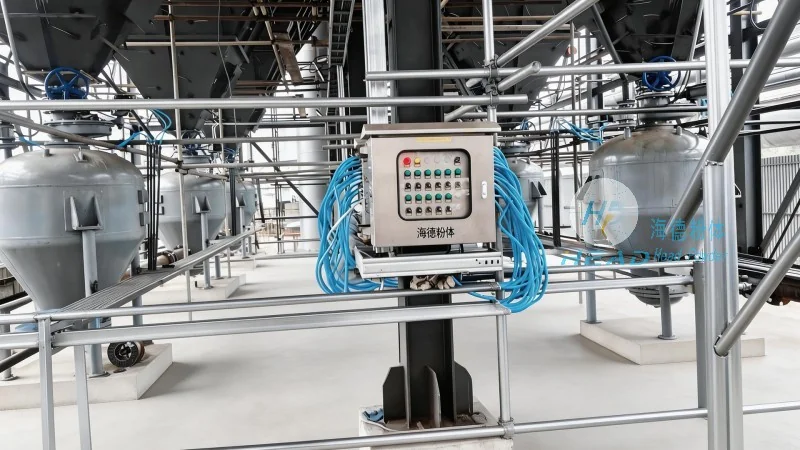
During transport, the pipeline may include bends, expansions, or reductions, which are designed to minimize pressure losses and maintain the air flow efficiency. The system may also incorporate filters or cyclones at the discharge end to separate the material from the air, ensuring that the ash is deposited in the receiving container without contamination. This separation process is essential for maintaining the quality of the material and preventing dust emissions.
Working Principles of Pneumatic Conveying
The working principle of air-driven transport is based on the interaction between the air flow and the material particles. There are two primary modes of pneumatic conveying: pressure and suction. In pressure systems, the blower is located at the discharge end, and the air is forced through the pipeline, pushing the material forward. In suction systems, the blower is at the inlet, creating a negative pressure that draws the material into the pipeline. For straw ash, a combination of both modes may be used, depending on the distance and layout of the transport system.
The key to effective pneumatic conveying is maintaining the correct air-to-material ratio. This ratio determines the velocity of the air and the suspension of the particles. If the air velocity is too low, the particles may settle and cause blockages. Conversely, if the velocity is too high, the particles may be damaged or the system may experience excessive energy consumption. HeadPowder's engineers use advanced computational fluid dynamics (CFD) and empirical data to optimize the air-to-material ratio for each specific application, ensuring efficient and reliable transport.
Advantages of Air-Driven Transport for Straw Ash
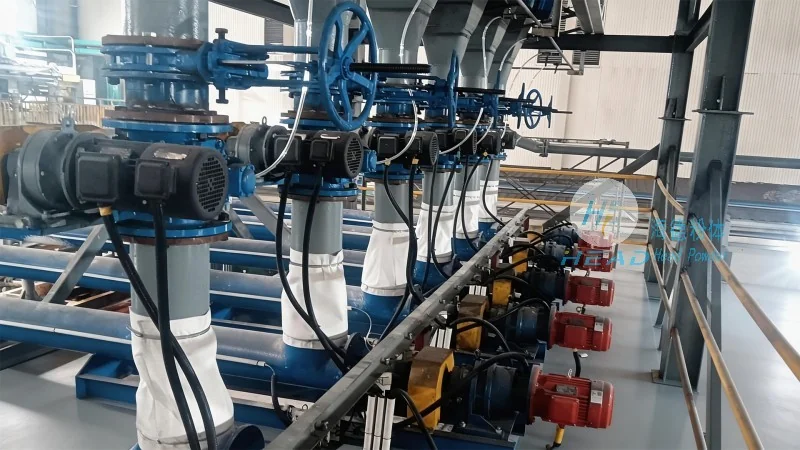
Compared to traditional transport methods, air-driven transport offers several advantages for handling straw ash. Firstly, it provides a dust-free environment, which is crucial for maintaining the quality of the material and ensuring worker safety. Unlike belt conveyors, which can generate significant dust and require additional dust control measures, pneumatic systems keep the material enclosed within the pipeline, reducing emissions and improving air quality.
Secondly, pneumatic conveying systems are highly flexible and can be easily integrated into existing industrial layouts. The pipeline can be installed in various configurations, including vertical, horizontal, or a combination of both, to accommodate the specific site requirements. This flexibility allows for the transport of straw ash over long distances or through complex layouts without the need for extensive infrastructure modifications.
Thirdly, air-driven transport is energy-efficient and can be more cost-effective than other methods, especially for long-distance or high-volume transport. The system operates with minimal moving parts, reducing maintenance requirements and downtime. Additionally, the use of compressed air as the primary energy source allows for easy integration with existing compressed air systems in industrial facilities, further reducing operational costs.
Applications and Industries
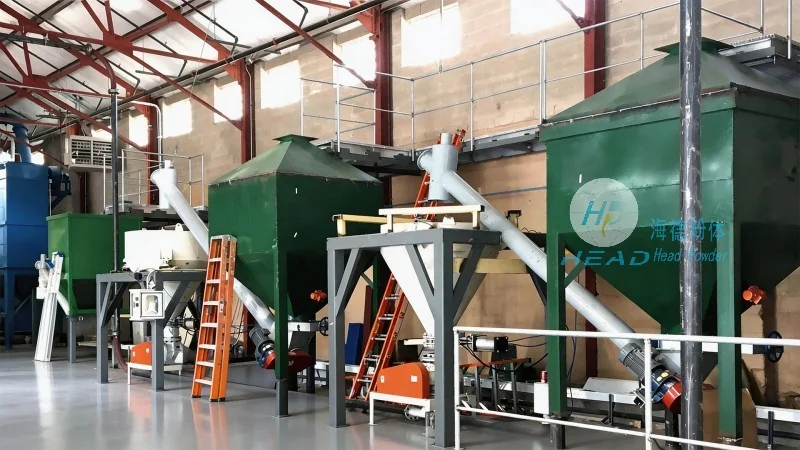
HeadPowder's air-driven transport systems for straw ash are widely used in various industries, including biomass power generation, agricultural processing, and waste management. In biomass power plants, the system is used to transport ash from the boiler to the storage or disposal area, ensuring efficient operation and compliance with environmental regulations. In agricultural processing facilities, the system helps in moving straw ash from processing units to storage silos or for further treatment, improving overall workflow efficiency.
The versatility of the system also makes it suitable for other applications, such as the transport of other fine materials like powders, granules, or waste products. By adapting the system design, HeadPowder can provide customized solutions that meet the specific needs of different industries, ensuring optimal performance and reliability.
Conclusion
Understanding the operation process and working principles of air-driven transport for straw ash is essential for optimizing material handling in industrial settings. HeadPowder, with its expertise and innovative solutions, provides reliable and efficient systems that address the unique challenges of straw ash transport. By leveraging advanced engineering and tailored designs, the company ensures that clients can achieve improved productivity, reduced costs, and enhanced safety in their material handling operations. For businesses looking to enhance their straw ash transport capabilities, HeadPowder offers comprehensive solutions that meet the highest standards of performance and reliability.




