Shandong HeadPowder Engineering Co., Ltd., a leading enterprise based in Shandong, China, specializes in providing advanced solutions for the pneumatic conveying of heavy calcium powder materials. With a focus on innovation and efficiency, the company has established itself as a trusted provider in the field of bulk material handling, particularly for calcium carbonate powders used in various industrial applications.
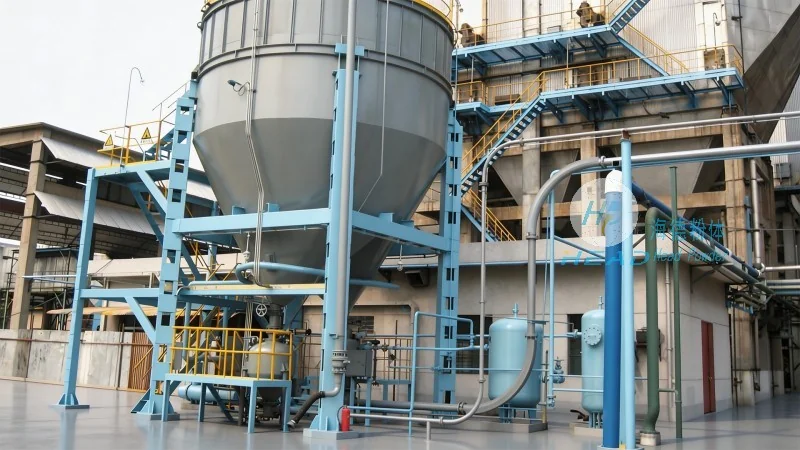
At the core of their offerings is the heavy calcium powder pneumatic conveying system, a technology designed to transport fine powders like heavy calcium carbonate with precision and reliability. This system is engineered to meet the demands of modern manufacturing processes, ensuring minimal product loss, reduced contamination, and enhanced operational safety. The system integrates state-of-the-art components, including high-efficiency air compressors, specialized conveying pipelines, and advanced control systems, all tailored to handle the unique characteristics of heavy calcium powder—such as its fine particle size, density, and potential for dust generation.
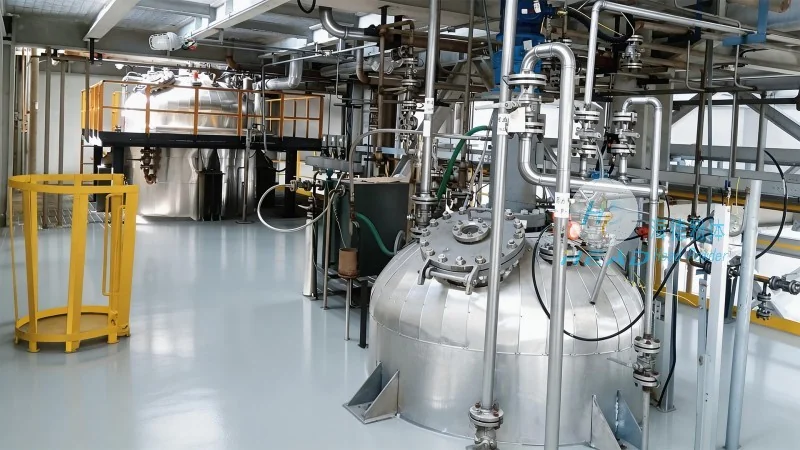
Operation Process of the Pneumatic Conveying System
The operation of a heavy calcium powder pneumatic conveying system typically follows a systematic sequence to ensure smooth and continuous material transport. The process begins with the loading of the heavy calcium powder into a hopper or storage silo. From there, the material is drawn into the conveying line by the pressure or vacuum created by the air compressor. The air compressor generates a high-pressure airflow, which propels the powder particles through the pipeline. As the powder travels, it may encounter various components such as bends, elbows, or expansion joints, which are designed to minimize pressure loss and maintain the flow of material. The system is equipped with pressure sensors and control valves that regulate the airflow and pressure, ensuring consistent performance. At the receiving end, the powder is deposited into a target container, such as a storage tank or processing unit, completing the conveying cycle. The entire operation is monitored by a centralized control system that adjusts parameters in real-time to optimize efficiency and prevent system failures.
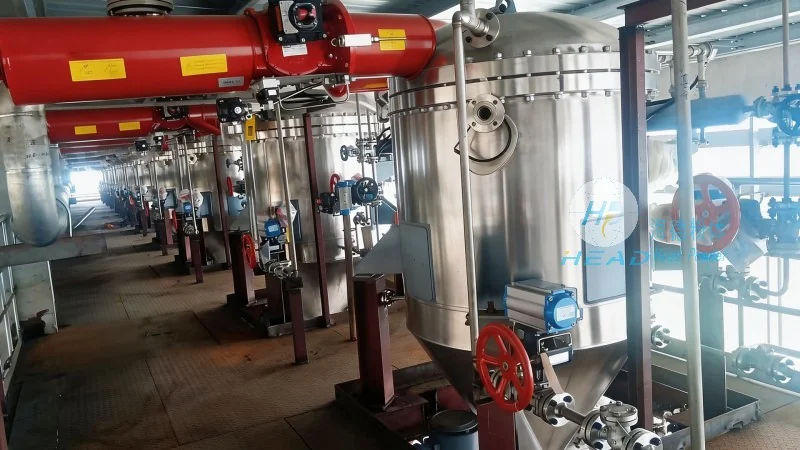
Working Principle of Pneumatic Conveying
The working principle of the heavy calcium powder pneumatic conveying system is based on the fundamental physics of fluid dynamics and particle motion. There are two primary modes of pneumatic conveying: positive pressure (or pressure) and negative pressure (or vacuum). In positive pressure systems, the air compressor supplies compressed air to the conveying line, creating a pressure higher than the ambient air pressure. This pressure forces the powder particles to move through the pipeline. The air and powder mixture travels at high velocity, with the powder suspended in the air stream. The velocity of the air must be sufficient to overcome the gravitational force acting on the powder particles and any frictional losses in the pipeline. In negative pressure systems, a vacuum is created at the receiving end, drawing the powder and air mixture into the pipeline. The vacuum pulls the material from the source, ensuring a continuous flow. The choice between positive and negative pressure depends on factors such as the distance of the conveying line, the particle size of the material, and the desired system configuration.
Key Components and Their Roles
Several critical components work in tandem to ensure the effective operation of the heavy calcium powder pneumatic conveying system. The air compressor is the heart of the system, responsible for generating the necessary airflow and pressure. It can be a rotary screw compressor or a centrifugal compressor, selected based on the system's capacity and pressure requirements. The conveying pipeline is typically made of stainless steel or other corrosion-resistant materials to prevent contamination and ensure durability. The pipeline design includes features like smooth inner surfaces to minimize friction and pressure loss. The hopper or feeder is used to store and feed the heavy calcium powder into the system, ensuring a consistent flow rate. It may include a rotary valve or a screw feeder to control the material discharge. The control system, often a programmable logic controller (PLC), monitors and adjusts the operation of the air compressor, valves, and sensors to maintain optimal performance. Pressure sensors and flow meters are installed at various points in the pipeline to provide real-time data on system performance, allowing for quick adjustments if issues arise.
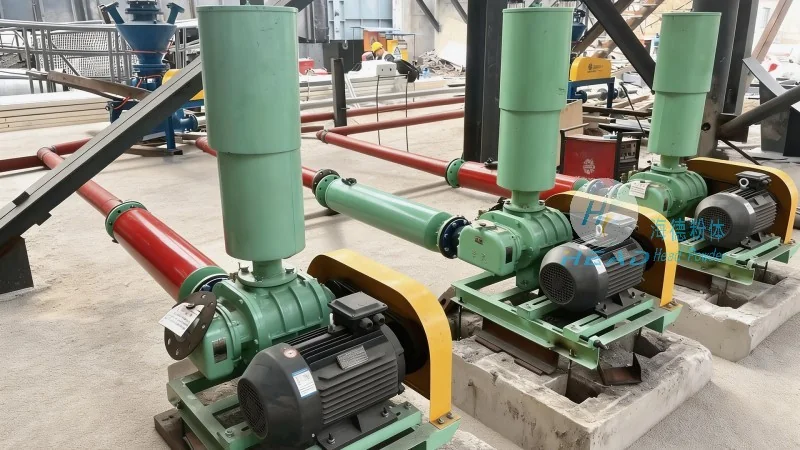
Advantages of Pneumatic Conveying for Heavy Calcium Powder
Implementing a pneumatic conveying system for heavy calcium powder offers numerous advantages over traditional methods like belt conveyors or manual handling. First, it significantly reduces dust pollution, as the material is contained within the pipeline and the air is filtered before release. This improves workplace safety and compliance with environmental regulations. Second, the system provides high efficiency in material transport, with minimal product loss and consistent flow rates. The ability to handle fine powders without clogging or degradation is a key benefit, as heavy calcium powder is sensitive to moisture and agglomeration. Third, the system is flexible and can be easily integrated into existing production lines, allowing for changes in production volume or process requirements. The compact design of the system also saves space in industrial facilities, making it suitable for both new installations and retrofit applications. Additionally, the reduced need for manual handling minimizes labor costs and the risk of workplace injuries.




