HeadPowder, a leading provider in the field of material handling solutions, specializes in advanced pneumatic conveying systems designed for the efficient transport of soap granules. This article delves into the operational process and underlying principles of soap granule material pneumatic conveying, highlighting the technical aspects and practical applications of this critical industrial technology.
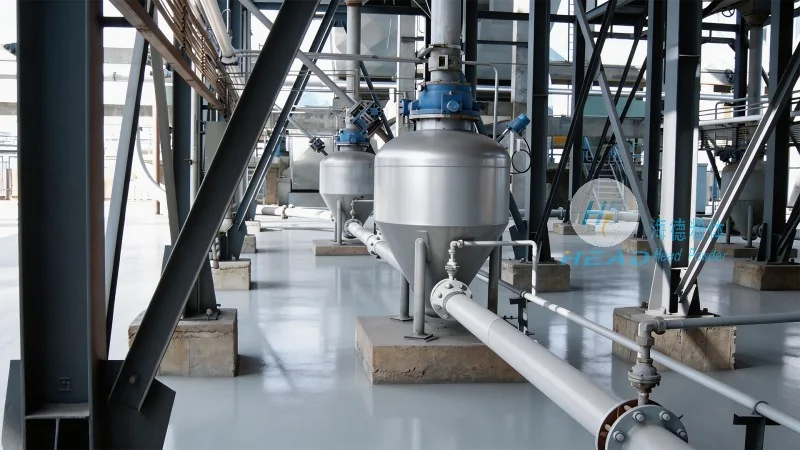
Introduction to Pneumatic Conveying for Soap Granules
At Shandong HeadPowder Engineering Co., Ltd., based in Shandong, China, we understand the unique challenges associated with handling soap granules. Pneumatic conveying offers a reliable and efficient method to transport these materials, ensuring minimal product degradation and optimal system performance. The following sections outline the fundamental working principles and step-by-step operation of our pneumatic conveying systems for soap granules.
Working Principle of Pneumatic Conveying Systems
The core principle of pneumatic conveying for soap granules involves the use of compressed air to move material through a pipeline. The system typically consists of a hopper, a rotary valve, a conveying line, and a receiver. The soap granules are first fed into the hopper, where they are then discharged into the conveying line via the rotary valve. Compressed air is introduced into the line, creating a flow that propels the granules forward. The air pressure and flow rate are carefully controlled to ensure smooth and consistent transport, minimizing the risk of blockages or material degradation.
Step-by-Step Operation Process
The operation of a soap granule pneumatic conveying system follows a systematic sequence to ensure efficient material transport. First, the soap granules are loaded into the hopper. The rotary valve then regulates the flow of material into the conveying line. Compressed air is supplied to the system, creating a positive pressure that moves the granules through the pipeline. The receiver at the end of the line collects the transported granules. The system is designed to maintain consistent air pressure and flow rates, which are critical for preventing material segregation and ensuring uniform product quality.
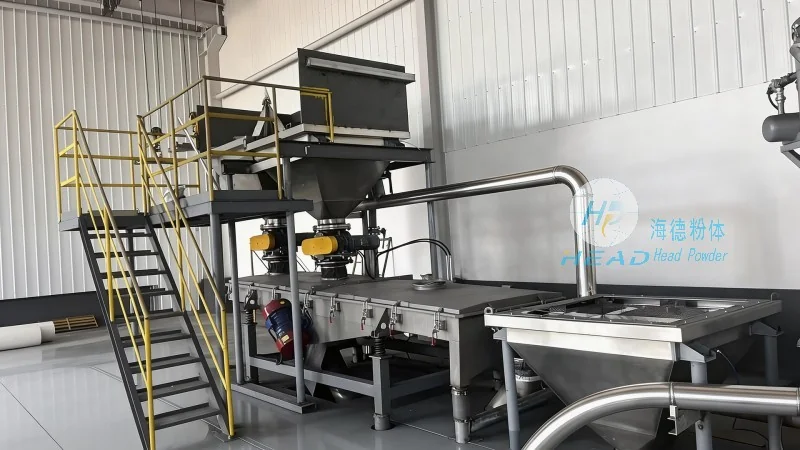
Key Components and Their Functions
Several key components contribute to the effective operation of a soap granule pneumatic conveying system. The hopper serves as the storage and feeding unit, providing a controlled environment for the granules. The rotary valve acts as a gate, regulating the flow of material into the conveying line and preventing backflow. The conveying line, usually made of stainless steel or other corrosion-resistant materials, ensures the safe and efficient transport of the granules. The receiver collects the material at the destination, and the air filter and compressor system maintain the necessary air pressure and quality. Each component is carefully selected and maintained to ensure optimal performance and longevity of the system.
Advantages of Pneumatic Conveying for Soap Granules
Implementing a pneumatic conveying system for soap granules offers numerous advantages over traditional methods such as belt conveyors or bucket elevators. These systems are highly flexible, allowing for changes in material flow direction and distance without significant modifications. They also provide a closed environment, reducing dust emissions and contamination risks, which is crucial for maintaining product purity. Additionally, pneumatic conveying systems are energy-efficient and can handle a wide range of material properties, including varying particle sizes and moisture content. The automated operation of these systems minimizes labor requirements and enhances overall productivity.
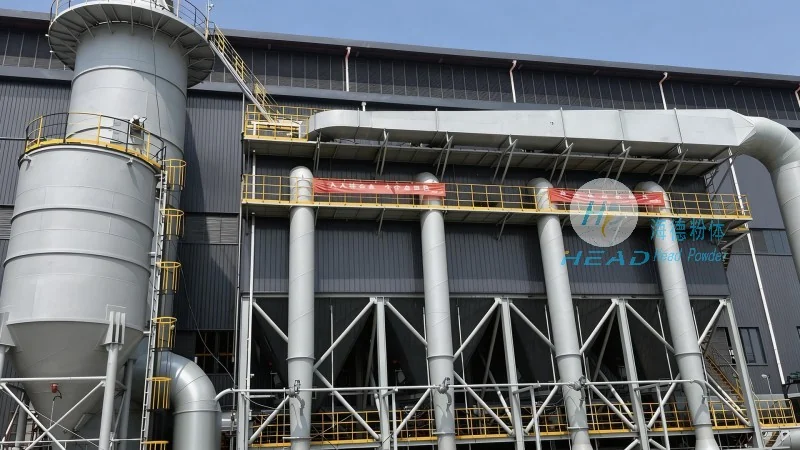
Applications and Industries
Soap granule pneumatic conveying systems are widely used in various industries, including the manufacturing of detergents, personal care products, and industrial cleaning solutions. In these applications, the efficient transport of soap granules is essential for maintaining production line continuity and product quality. The systems are also utilized in research and development laboratories for testing new formulations and in large-scale production facilities for bulk material handling. The versatility of pneumatic conveying makes it suitable for both small-scale and large-scale operations, catering to the diverse needs of different industries.
Maintenance and Troubleshooting
Regular maintenance is crucial to ensure the long-term reliability and efficiency of a soap granule pneumatic conveying system. At HeadPowder, we recommend routine inspections of the hopper, rotary valve, and conveying line for signs of wear or damage. The air filter and compressor should be checked regularly to prevent clogging and ensure consistent air pressure. If blockages occur, the system may need to be cleared by adjusting the air flow or using a vacuum pump to remove the material. Proper maintenance not only extends the lifespan of the equipment but also ensures consistent performance and product quality.
Conclusion
Soap granule material pneumatic conveying is a sophisticated and efficient technology that plays a vital role in the material handling processes of various industries. At Shandong HeadPowder Engineering Co., Ltd., we specialize in designing and manufacturing high-quality pneumatic conveying systems tailored to the specific needs of our clients. Our systems are engineered to provide reliable, cost-effective, and environmentally friendly solutions for the transport of soap granules. By understanding the operational process and working principles of these systems, industries can optimize their material handling operations and enhance overall productivity.




