Feed pellet material conveying lines are critical infrastructure in the feed processing industry, engineered to facilitate the efficient and reliable transport of feed pellets throughout the production cycle. These systems are designed to handle the unique characteristics of feed pellets, such as their size, density, and moisture content, ensuring that material is moved without degradation or loss. The operation of these lines is integral to maintaining the flow of production, as they connect various processing stages, from pelletizing to packaging. By automating the material transport process, feed pellet conveying lines reduce the need for manual handling, which can be labor-intensive and prone to errors. This automation not only improves efficiency but also enhances safety in the workplace by minimizing human exposure to moving machinery. HeadPowder, a leading manufacturer of feed processing equipment, specializes in designing and manufacturing high-quality feed pellet material conveying lines that meet the demands of modern feed manufacturing. With years of experience in the industry, HeadPowder has developed advanced systems that enhance productivity and ensure consistent quality in feed production.
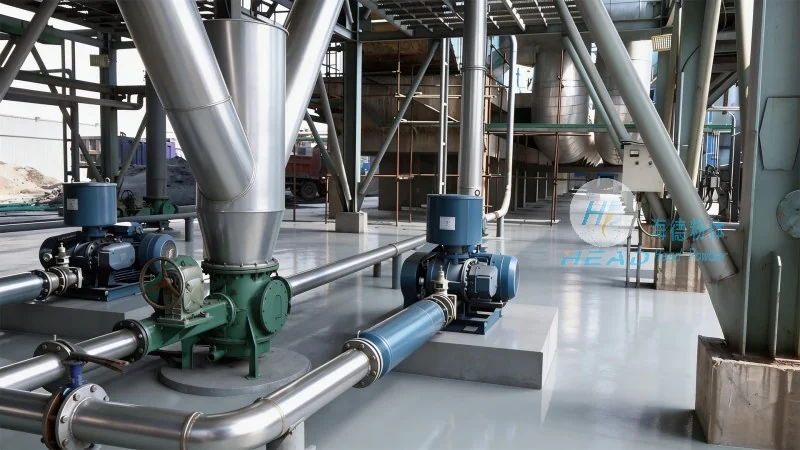
Key Components and Their Functions
A feed pellet material conveying line comprises several essential components that work in concert to achieve effective material transport. The primary components include feed hoppers, conveyor mechanisms (such as belt or screw conveyors), control systems, and safety devices. Each component plays a vital role in the overall operation of the line. Feed hoppers are typically made of durable materials like stainless steel or reinforced plastic, designed to store a sufficient quantity of feed pellets. They are equipped with level sensors to monitor the material level, ensuring that the conveyor receives a steady supply of material. The conveyor mechanism, which can be a belt conveyor or a screw conveyor, is the heart of the system. Belt conveyors use a moving belt to transport pellets horizontally or at a slight incline, while screw conveyors utilize a rotating screw to push the material forward. Both types of conveyors are driven by electric motors, which provide the necessary power to move the material. Control systems, often integrated with programmable logic controllers (PLCs), regulate the speed and direction of the conveyor. These systems may also include sensors that detect the presence or absence of material, preventing the conveyor from running empty or overloading. Safety mechanisms, such as emergency stop buttons and overload protection, are critical to preventing accidents and equipment damage. For example, overload sensors can detect when the conveyor is carrying too much material, triggering a stop to prevent belt breakage or motor overload.
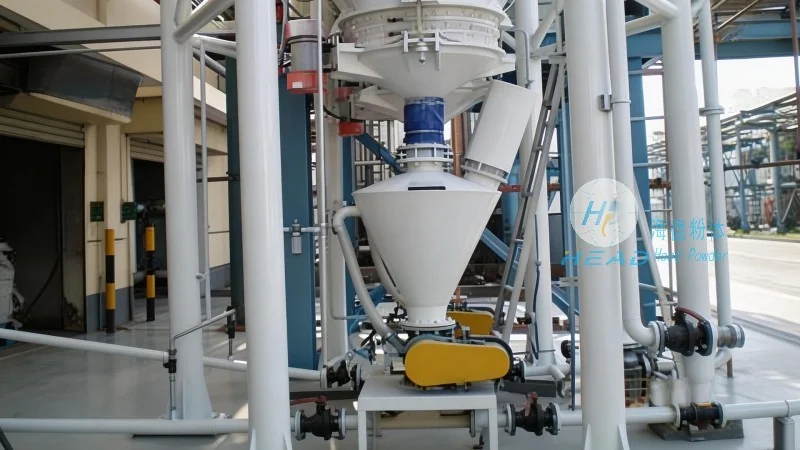
Step-by-Step Operation Process
The operation of a feed pellet material conveying line begins with the loading of feed pellets into the feed hopper. The hopper is filled with pellets from the pelletizing machine, which produces the feed pellets. Once the hopper is filled to a certain level, the conveyor system is activated. The control system sends a signal to the motor, which starts the conveyor. As the conveyor begins to move, the pellets are fed from the hopper onto the belt or screw. The conveyor then transports the pellets to the next processing stage, such as a cooling or coating unit. The speed of the conveyor is adjusted based on the production rate, ensuring that the material is moved at a consistent rate. During the conveying process, the control system continuously monitors the flow rate and pressure. If the flow rate drops, the system may increase the conveyor speed to maintain the desired throughput. Conversely, if the flow rate is too high, the system may reduce the speed to prevent overloading. The discharge point of the conveyor is typically connected to the next processing equipment, ensuring a seamless transition. Once the pellets reach the discharge point, they are transferred to the next stage of production. The entire process is automated, with minimal human intervention required. This automation allows for consistent and reliable operation, even during high-volume production periods.
Working Principles and Technical Details
The working principle of a feed pellet material conveying line is based on mechanical energy conversion and material handling physics. The core mechanism involves the transfer of mechanical energy from the motor to the conveyor system, which then moves the feed pellets. In belt conveyors, the motor drives a pulley, which in turn moves the belt. The feed pellets are placed on the belt and carried forward by the friction between the belt and the material. The speed of the belt is determined by the motor's RPM and the pulley diameter. Screw conveyors operate on a similar principle, where the motor drives a rotating screw. The screw pushes the pellets forward, similar to an auger. The pitch of the screw and the speed of rotation determine the conveying capacity. The control system uses sensors to measure the position and speed of the pellets. These sensors provide real-time data to the PLC, which adjusts the motor speed as needed. The system may also include variable frequency drives (VFDs), which allow for precise control over the conveyor speed. VFDs enable the conveyor to operate at different speeds, adapting to changes in feed volume or material characteristics. This flexibility is crucial for maintaining optimal performance. Additionally, the conveying line may include features like incline sections, which allow the pellets to be moved vertically or at an angle. The angle of inclination is carefully designed to ensure that the pellets move smoothly without slipping or jamming. The use of smooth surfaces and proper lubrication in the conveyor components also helps to reduce friction and wear, extending the lifespan of the equipment.
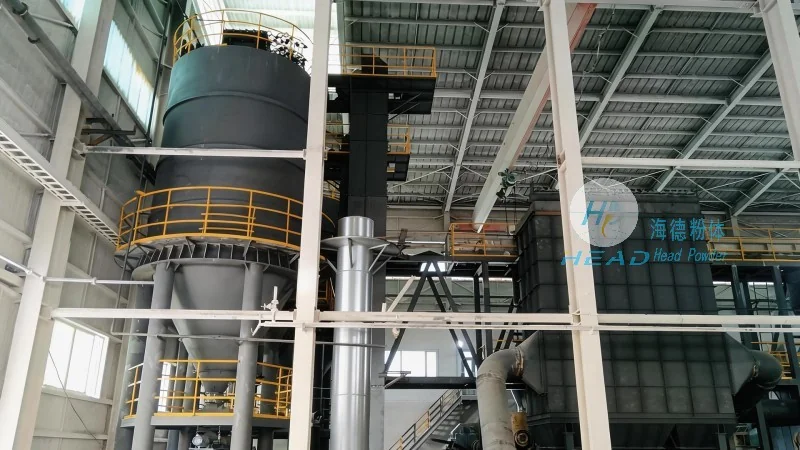
Benefits and Applications in Feed Manufacturing
Feed pellet material conveying lines offer significant advantages in feed manufacturing operations. These systems enhance productivity by automating the material transport process, reducing the time and labor required for manual handling. By minimizing downtime and improving throughput, the lines contribute to higher overall production efficiency. The consistent flow of material also helps maintain the quality of the feed pellets, preventing issues such as segregation or damage that can occur during manual handling. This is particularly important in feed production, where the quality of the final product directly impacts animal health and performance. The durability and low-maintenance design of these systems also contribute to cost savings. Components such as stainless steel belts and corrosion-resistant materials ensure that the equipment can withstand the harsh conditions of feed processing, reducing the need for frequent repairs or replacements. Feed pellet material conveying lines are widely used in various applications across the feed industry. In large-scale feed mills, these lines are essential for handling high volumes of feed pellets, ensuring that production targets are met. They are also used in pet food manufacturing, where consistent quality and hygiene are critical. Additionally, these systems are employed in aquaculture feed processing, where the transport of pellets to fish farms or processing facilities is necessary. The adaptability of feed pellet conveying lines to different production scales and applications makes them a versatile solution for feed manufacturers.




