HeadPowder, a leading engineering company based in Shandong, China, specializes in the design, manufacturing, and installation of advanced grain and granular material conveying systems. The company's headquarters is located in Shandong, providing local support and expertise for clients across the region.
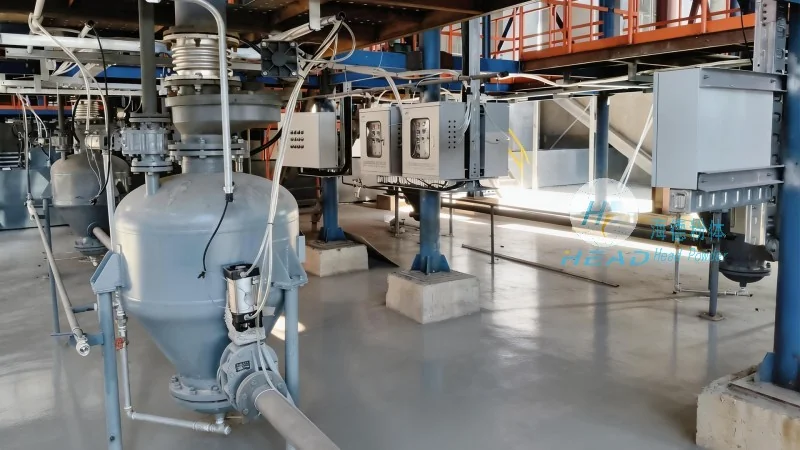
Overview of Grain Granular Material Conveying Lines
A grain granular material conveying line is a critical component in many industrial and agricultural operations, designed to transport bulk materials such as grains, seeds, powders, and other granular substances from one location to another. These systems are essential for improving efficiency, reducing labor costs, and enhancing safety in material handling processes.
The Operation Process of a Conveying Line
The operation of a grain granular material conveying line typically begins with the intake of raw materials. This can involve bulk storage silos, trucks, or other bulk handling equipment. The material is then transferred to the primary conveyor system, which may include belt conveyors, screw conveyors, or bucket elevators, depending on the specific application and material characteristics. The conveyor system is powered by electric motors, which drive the moving components to transport the material from the intake point to the discharge point. During operation, the system is monitored by a control panel that allows operators to adjust speed, direction, and other parameters as needed. This ensures efficient and safe material handling, minimizing downtime and maximizing throughput.
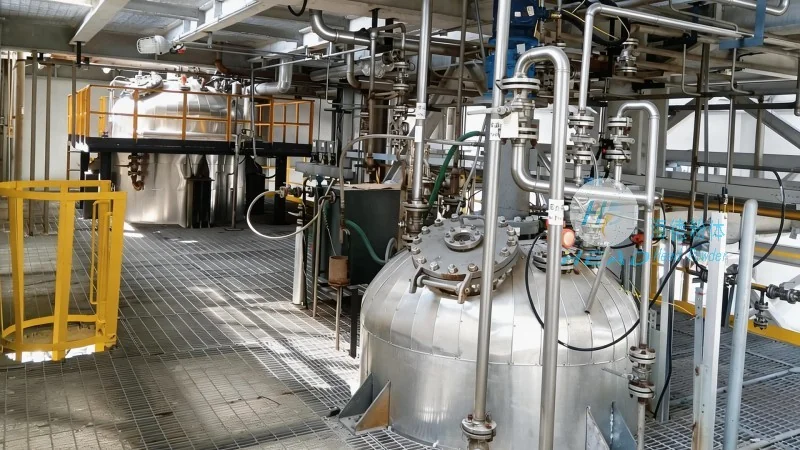
Working Principle of the Conveying System
The working principle of a grain granular material conveying line revolves around the transfer of bulk materials through mechanical means. The system utilizes various types of conveyors, such as belt conveyors, which use a continuous belt to move material along a fixed path. Screw conveyors, on the other hand, employ a rotating screw to push material forward. Bucket elevators use a series of buckets attached to a chain or belt to lift and transport material vertically. The choice of conveyor type depends on factors like material size, density, and the required height or distance of transport. The entire system is integrated with a control system that manages the flow of material, ensuring that it moves smoothly and efficiently from the source to the destination. Safety features, such as emergency stop buttons and overload protection, are also incorporated to prevent accidents and equipment damage.
Key Components and Their Functions
Several key components work together to ensure the smooth operation of a grain granular material conveying line. The intake hopper or feeder is responsible for receiving and feeding the material into the conveyor system. The conveyor itself, whether belt, screw, or bucket, is the core component that transports the material. The drive system, including electric motors and gearboxes, provides the necessary power to move the conveyor. The control panel allows operators to monitor and adjust the system's performance. Additionally, the discharge mechanism ensures that the material is released at the correct location, completing the transfer process.
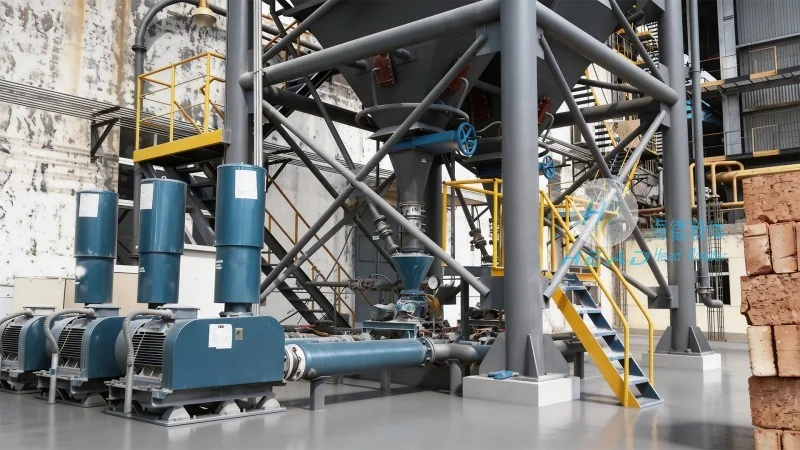
Benefits of Using Conveying Lines
Implementing a grain granular material conveying line offers numerous benefits for businesses. These systems significantly reduce the need for manual labor, as they can handle large volumes of material with minimal human intervention. They also improve safety by eliminating the need for workers to handle heavy or potentially hazardous materials. Furthermore, conveying lines enhance efficiency by providing consistent and reliable material flow, which can lead to increased productivity and reduced operational costs. The ability to transport materials over long distances or vertical heights without the need for manual handling makes these systems highly versatile and essential in modern industrial operations.
Application Examples
Grain granular material conveying lines are widely used in various industries. In the agricultural sector, they are commonly employed in grain storage facilities to move harvested crops from storage silos to processing plants. In the food processing industry, these systems are used to transport ingredients such as flour, sugar, and spices between different stages of production. The manufacturing industry also utilizes conveying lines to transport raw materials and finished products within factories. Additionally, in the chemical and pharmaceutical industries, conveying lines are used to handle powders and granules safely and efficiently, ensuring compliance with safety and quality standards.




