HeadPowder, a leading engineering firm based in Shandong, China, specializes in the design and implementation of advanced material handling systems. This article provides a detailed overview of the operation process and working principle of a calcined gypsum material conveying system, highlighting the key components, operational flow, and technical aspects that ensure efficient and reliable material transport.
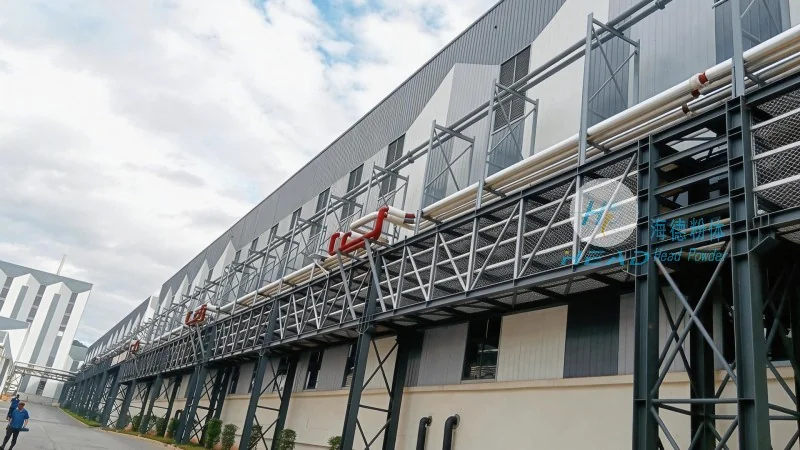
Company Introduction and System Overview
Shandong HeadPowder Engineering Co., Ltd., commonly known as HeadPowder, is a reputable company dedicated to providing high-quality engineering solutions for material processing industries. The calcined gypsum material conveying system is a critical component in gypsum processing plants, designed to handle the transportation of calcined gypsum from storage areas to processing or packaging units. This system is engineered to meet the demanding requirements of the gypsum industry, ensuring consistent performance and minimal downtime.
Key Components of the Conveying System
The calcined gypsum material conveying system typically consists of several key components that work in tandem to facilitate smooth material transport. These components include feed hoppers, conveyor belts or screw conveyors, drive mechanisms, control panels, and safety sensors. Each component plays a vital role in the overall operation of the system, contributing to the efficient movement of calcined gypsum through the processing line.
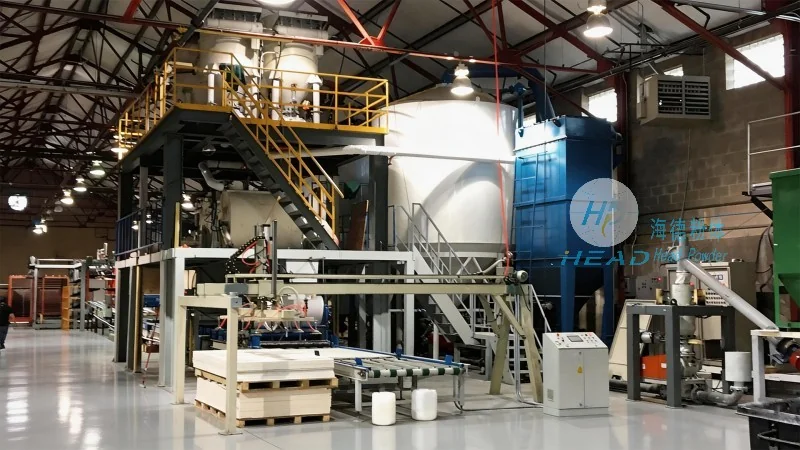
Operation Process: Step-by-Step Overview
The operation of the calcined gypsum material conveying system follows a systematic process that ensures the seamless transfer of material. The process begins with the loading of calcined gypsum into the feed hopper. The hopper is designed to evenly distribute the material and prevent blockages, ensuring a consistent flow to the conveyor. Once the material is in the hopper, it is transferred to the conveyor system, which may be a belt conveyor or a screw conveyor, depending on the specific application requirements. The conveyor then transports the gypsum to the processing or packaging area, where it is further handled as per the plant's operational needs.
Working Principle: Mechanism and Control
The working principle of the calcined gypsum material conveying system is based on mechanical and electrical control mechanisms. The system utilizes motor-driven conveyors to move the material through the process. The control panel allows operators to monitor and adjust the speed and direction of the conveyor, ensuring optimal performance. Safety sensors are integrated into the system to detect any blockages or overloads, triggering automatic shut-downs to prevent equipment damage or material loss. This combination of mechanical and electronic controls ensures the system operates safely and efficiently.
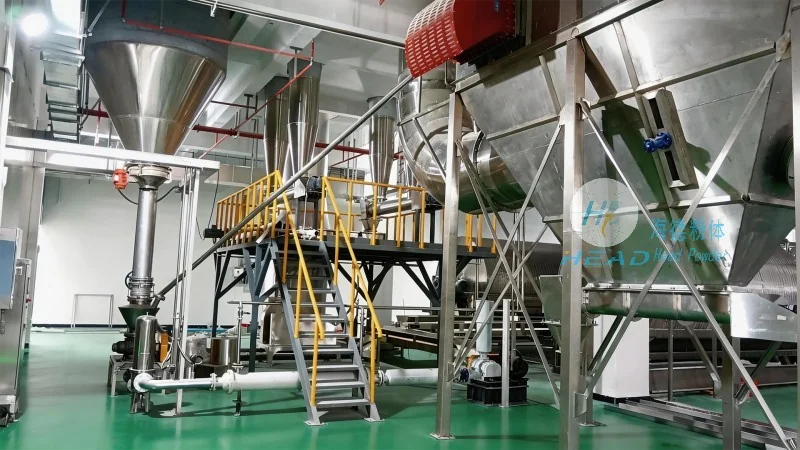
System Performance and Maintenance
The calcined gypsum material conveying system is designed to deliver high performance and reliability in gypsum processing applications. Regular maintenance is essential to ensure the system operates at peak efficiency. This includes routine checks of conveyor belts, lubrication of moving parts, and inspection of control systems. By adhering to a proper maintenance schedule, the system can maintain its operational integrity and minimize the risk of breakdowns. HeadPowder provides comprehensive maintenance services to support its clients, ensuring that the conveying system remains in optimal condition throughout its service life.
Conclusion
In conclusion, the calcined gypsum material conveying system is a sophisticated piece of equipment that plays a crucial role in gypsum processing plants. By understanding the operation process and working principle of this system, users can optimize its performance and ensure efficient material handling. HeadPowder, with its expertise in engineering and material handling solutions, continues to provide high-quality systems that meet the evolving needs of the gypsum industry.




