Understanding the operation process and working principle of lithium iron phosphate (LiFePO₄) material handling systems is crucial for optimizing material flow in industrial applications. These systems are designed to efficiently transport LiFePO₄ powders or granules, which are widely used in battery manufacturing and other industrial processes. The following sections will delve into the key components, operational steps, and underlying principles that govern the functionality of such systems.
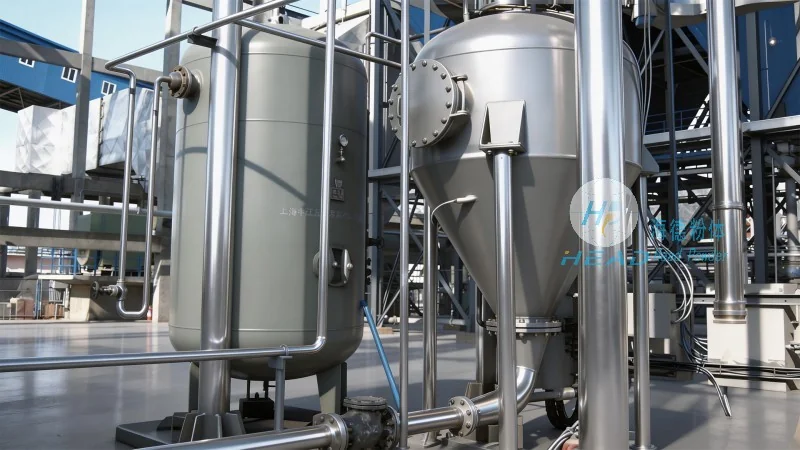
Key Components of the Material Handling System
The lithium iron phosphate material handling system typically consists of several core components that work in tandem to ensure smooth material transport. These components include a hopper for material storage, a conveyor system (such as a screw conveyor or belt conveyor) for transporting the material, a control panel for monitoring and adjusting operations, and a dust collection system to maintain a clean and safe working environment. Each component plays a vital role in the overall efficiency and reliability of the system.
Working Principle of the System
The working principle of the lithium iron phosphate material handling system is based on mechanical energy transfer and material flow dynamics. When the system is activated, material is discharged from the hopper into the conveyor. The conveyor then moves the material through the system, either by rotating screws (in a screw conveyor) or by moving a belt (in a belt conveyor). The speed and direction of the conveyor can be adjusted to control the flow rate of the material, ensuring that it reaches the next processing stage without any bottlenecks or blockages. The control panel allows operators to monitor parameters such as material level, conveyor speed, and system pressure, enabling real-time adjustments to maintain optimal performance.
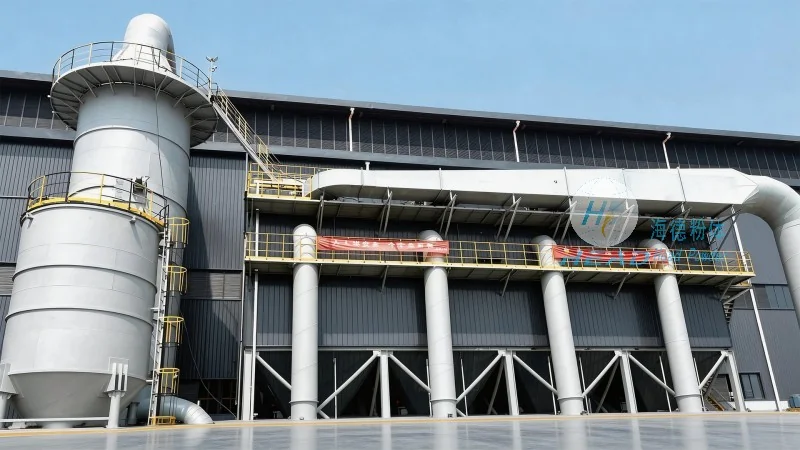
Operation Process: Step-by-Step Overview
The operation process of the lithium iron phosphate material handling system involves several sequential steps that ensure the material is handled safely and efficiently. The first step is material loading into the hopper. This is typically done using a loading hopper or a direct feed from a storage silo. Once the hopper is filled, the system's control panel is activated, and the conveyor starts operating. The material then moves through the conveyor system, passing through any intermediate processing stages such as screening or mixing. The final step is the discharge of the material into the next processing unit or storage container. Throughout this process, the dust collection system continuously removes airborne particles, maintaining a clean environment and preventing dust accumulation.
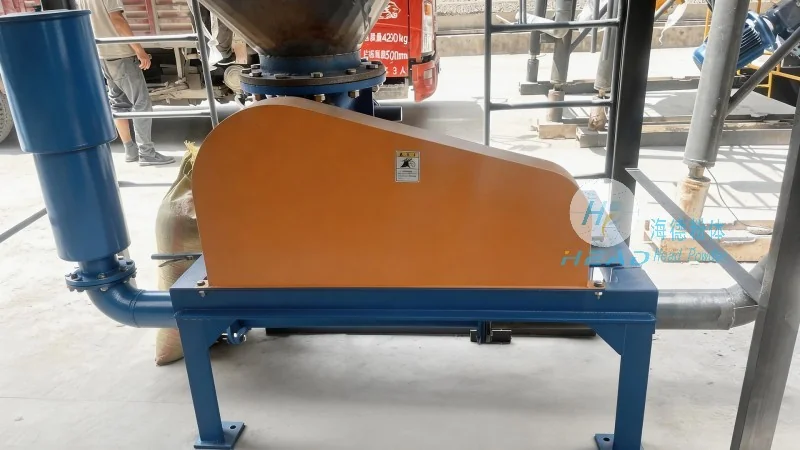
Advantages of Using a Lithium Iron Phosphate Material Handling System
Implementing a lithium iron phosphate material handling system offers several advantages for industrial operations. Firstly, it enhances material flow efficiency by reducing the time and labor required for manual handling. The automated conveyor system ensures consistent and reliable transport, minimizing the risk of material loss or contamination. Secondly, the system improves safety by eliminating the need for manual handling of powders, which can be hazardous due to dust inhalation or material handling risks. Additionally, the dust collection system helps maintain a safe working environment, complying with occupational health and safety regulations. Finally, the system's modular design allows for easy integration with existing production lines, making it a flexible solution for various industrial applications.
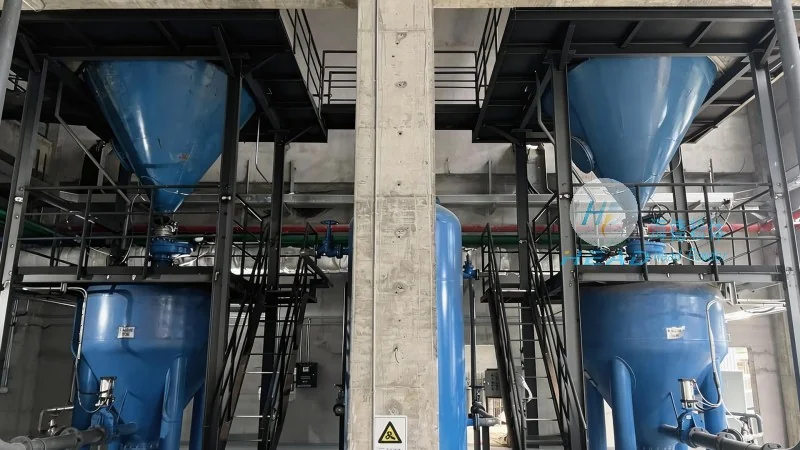
Applications in Battery Manufacturing
Lithium iron phosphate material handling systems are particularly important in the battery manufacturing industry, where LiFePO₄ is a key component in lithium-ion batteries. These systems are used to transport LiFePO₄ powders from storage to the mixing and extrusion stages of battery production. The efficient handling of LiFePO₄ ensures that the battery manufacturing process runs smoothly, with consistent material quality and reduced downtime. The system's ability to handle fine powders without clogging or agglomeration is critical for maintaining the performance of the final battery products.
Maintenance and Troubleshooting
To ensure the long-term performance and reliability of the lithium iron phosphate material handling system, regular maintenance is essential. This includes cleaning the hopper and conveyor to prevent material buildup, inspecting the conveyor belts or screws for wear and tear, and checking the dust collection system for proper operation. Common issues that may arise include material clogging in the conveyor, which can be resolved by adjusting the conveyor speed or clearing the blockage. Another issue is dust accumulation in the system, which can be addressed by ensuring the dust collection system is functioning correctly and by using appropriate sealing mechanisms to prevent dust leakage.




