In industrial production, dry lime is an important chemical raw material, and its efficient and safe conveying method directly affects production efficiency and safety. Dry lime pneumatic conveying systems use air power to transport dry lime particles to designated locations, becoming indispensable in modern industry. This article systematically elaborates on the classification, technical features, and practical applications of dry lime pneumatic conveying systems in various fields, providing references for relevant industries.
Classification of Dry Lime Pneumatic Conveying Systems
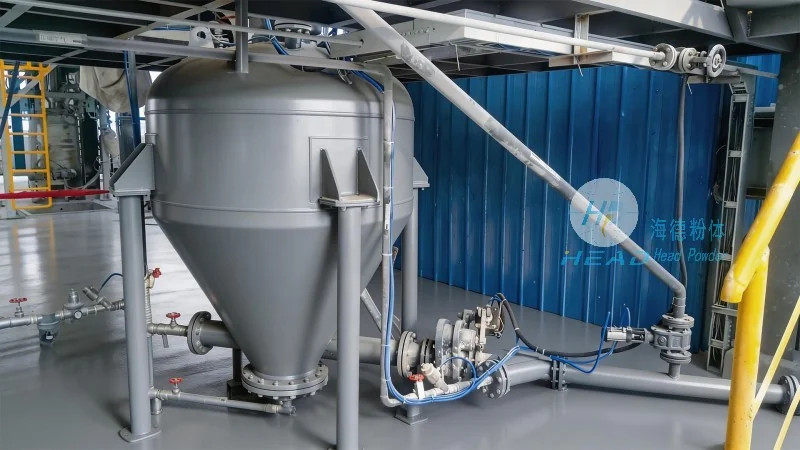
Dry lime pneumatic conveying systems are mainly classified into positive pressure, negative pressure, and mixed types based on conveying pressure and air flow direction. Positive pressure systems maintain higher air pressure than the ambient environment inside the conveying pipeline, pressing dry lime from the sending tank to the receiving point, suitable for short-distance, high-volume scenarios. For example, in cement or limestone processing plants, positive pressure conveying systems are commonly used to transport dry lime from storage silos to production equipment. Negative pressure systems create a negative pressure below the ambient pressure in the pipeline, using atmospheric pressure to draw dry lime into the conveying pipeline, suitable for long-distance or dust leakage prevention. Mixed systems combine the characteristics of positive and negative pressure, adjusting pressure during the conveying process for more flexible control. For instance, in large industrial facilities, mixed systems adjust pressure according to the conveying distance and particle characteristics to balance efficiency and safety. HeadPowder, as a professional manufacturer, provides various types of dry lime pneumatic conveying systems tailored to customer needs.
Technical Features of Dry Lime Pneumatic Conveying Systems
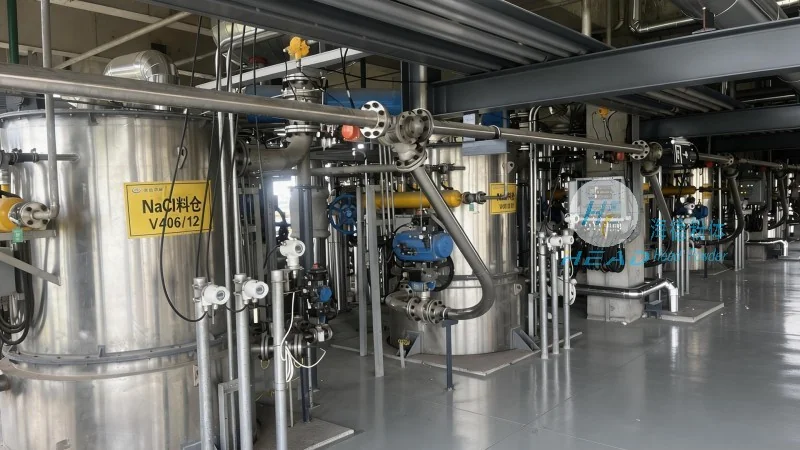
Dry lime pneumatic conveying systems offer advantages such as high conveying efficiency, long conveying distance, and simple operation. Positive pressure systems typically use high-pressure blowers, with conveying speeds of 10-30 meters per second, capable of transporting dry lime to target locations several kilometers away. Negative pressure systems have relatively lower conveying speeds but effectively control dust dispersion. Mixed systems integrate both advantages, using intelligent control systems to regulate pressure for automated conveying. Additionally, these systems have compact structures, small floor space, and low maintenance costs. For example, HeadPowder's dry lime conveying equipment uses modular design for easy installation and maintenance, while equipped with advanced filtration systems to ensure dust control during conveying, meeting environmental requirements. The systems also feature overload protection and pressure monitoring functions to ensure safe operation and reduce fault rates.
Application Analysis of Dry Lime Pneumatic Conveying Systems
Dry lime pneumatic conveying systems are widely applied in multiple industries, including chemical, building materials, food processing, and environmental protection. In the chemical industry, dry lime is used for neutralizing acidic wastewater or as a raw material in chemical reactions, requiring corrosion-resistant conveying systems. HeadPowder's systems are made of stainless steel or anti-corrosion materials to adapt to chemical environments. In the building materials industry, dry lime is a key raw material for cement and lime products, and positive pressure systems are preferred due to their high conveying capacity. For example, in cement plants, dry lime is conveyed from storage silos to mills via pneumatic systems for continuous production. In the food processing industry, dry lime serves as a food additive or drying agent, with conveying systems meeting hygiene standards. HeadPowder provides food-grade pneumatic conveying equipment with sterile design to ensure product safety. In the environmental field, dry lime is used for flue gas desulfurization, with systems equipped with heating and dehumidification devices to ensure conveying efficiency. Different industries have varying requirements for dry lime conveying systems, and HeadPowder offers customized solutions based on customer needs. For example, a large cement plant in Shandong Province, China, used HeadPowder's positive pressure dry lime conveying system to transport dry lime from the storage warehouse to the production line. The system, using a high-pressure blower, conveyed dry lime over a distance of about 800 meters with a capacity of 50 tons per hour. After installation, conveying efficiency increased by 30%, and labor costs were reduced by about 60%, while dust leakage was reduced and the working environment improved.
Application Cases of HeadPowder in Dry Lime Pneumatic Conveying Systems
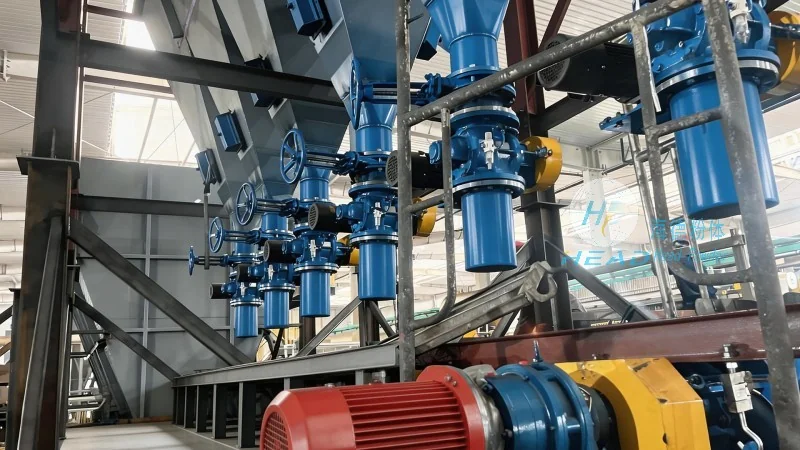
For example, a large cement plant in Shandong Province, China, needed to transport dry lime from the storage warehouse to the production line's mill. The original method was manual loading, which was inefficient and had safety hazards. HeadPowder provided a positive pressure dry lime pneumatic conveying system for the plant. The system used a high-pressure blower, with a conveying distance of about 800 meters and a capacity of 50 tons per hour. After installation, dry lime conveying efficiency significantly improved, labor costs were reduced by about 60%, and dust leakage was reduced, improving the working environment. This case demonstrates that dry lime pneumatic conveying systems not only enhance production efficiency but also reduce operating costs and improve enterprise competitiveness. As a professional manufacturer of dry lime pneumatic conveying systems, HeadPowder, with its advanced technology and customized services, has provided solutions for many enterprises, winning wide recognition from customers.




