For industrial operations dealing with tailings management, the selection of an appropriate pneumatic conveying system is critical to ensure efficiency, safety, and cost-effectiveness. Tailings slurry, a byproduct of mineral processing, requires specialized handling solutions that can manage its abrasive and variable properties. This article provides a comprehensive classification of tailings slurry pneumatic conveying systems and analyzes their practical applications, offering insights for industry professionals seeking optimal solutions.
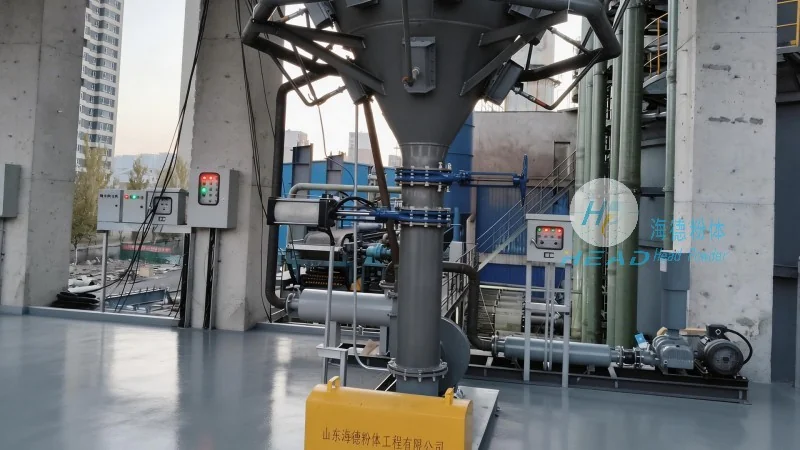
Introduction to Tailings Slurry Pneumatic Conveying Systems
Tailings slurry, composed of fine mineral particles suspended in water, poses unique challenges for material transport. Traditional methods like gravity or mechanical conveyors often struggle with the high moisture content and abrasive nature of tailings, leading to equipment wear and operational inefficiencies. Pneumatic conveying systems, which use air pressure to transport materials, have emerged as a preferred solution for these applications due to their ability to handle abrasive slurries, minimize material degradation, and reduce maintenance costs.
Classification of Pneumatic Conveying Systems for Tailings Slurry
Pneumatic conveying systems for tailings slurry can be broadly classified into two main categories: positive pressure and negative pressure systems. Each type has distinct characteristics and is suited to different operational conditions.
Positive Pressure Systems
Positive pressure systems operate by blowing air or gas into the conveying line, creating a pressure higher than the ambient air pressure. This method is ideal for conveying tailings slurry over long distances or to multiple destinations. The primary components of a positive pressure system include a blower, a slurry pump, a hopper, and a conveying line. The blower provides the necessary pressure to move the slurry, while the pump ensures consistent flow and pressure regulation. The hopper stores the tailings slurry, and the conveying line transports it to the destination. Positive pressure systems are commonly used in large-scale mining operations where multiple processing plants or storage facilities are involved.
Negative Pressure Systems
Negative pressure systems, also known as vacuum systems, operate by creating a vacuum in the conveying line, drawing the slurry from the source. This method is suitable for short-distance conveying or when the material needs to be collected from various points. The system typically includes a vacuum pump, a filter, and a collection hopper. The vacuum pump creates the negative pressure, drawing the slurry through the line and into the collection hopper. The filter removes any solid particles from the air before it is released to the atmosphere. Negative pressure systems are often used in applications where the tailings need to be collected from a large area or when the material is to be processed at a central location.
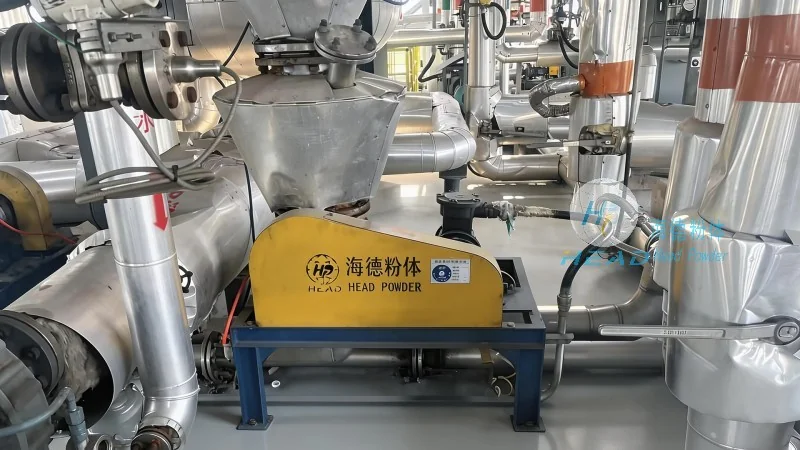
Hybrid Systems
Hybrid systems combine elements of both positive and negative pressure systems to optimize performance. These systems may use a positive pressure blower to transport the slurry over long distances and then switch to a negative pressure vacuum to collect the material at the destination. Hybrid systems offer flexibility and can adapt to varying operational requirements, making them suitable for complex tailings management scenarios.
Key Factors in System Selection
The choice of a pneumatic conveying system for tailings slurry depends on several key factors, including the distance of transport, the volume of material to be conveyed, the properties of the tailings (such as particle size, moisture content, and abrasiveness), and the operational environment. For example, in long-distance conveying over several kilometers, a positive pressure system is generally more efficient and cost-effective. In contrast, for short-distance collection from multiple points, a negative pressure system may be more suitable. The material's abrasiveness and moisture content also influence the choice of system components, such as the type of blower, pump, and conveying line material.
Applications of Tailings Slurry Pneumatic Conveying Systems
Tailings slurry pneumatic conveying systems are widely used in various mining and mineral processing applications. Some of the key applications include:
Conveying to Tailings Storage Facilities
One of the primary applications of these systems is transporting tailings slurry to tailings storage facilities (TSFs). This is crucial for managing the disposal of mining waste and preventing environmental contamination. The systems ensure that the tailings are conveyed safely and efficiently to the TSF, where they are deposited and stabilized. The use of pneumatic conveying reduces the risk of spills and leaks, which can occur with traditional methods like trucks or pipelines.
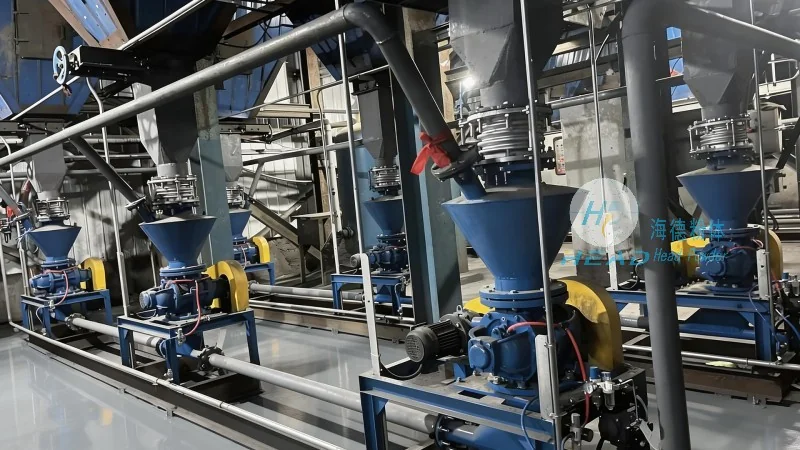
Processing Plant Integration
Tailings slurry is often processed in plants to recover valuable minerals or to treat the waste before disposal. Pneumatic conveying systems are used to transport the slurry from the storage or collection point to the processing plant. This allows for continuous operation and reduces downtime, as the system can handle large volumes of material without interruption. The systems are designed to maintain the slurry's properties, ensuring that the processing efficiency is not compromised.
Reuse and Recycling
In some mining operations, tailings are reused or recycled as a raw material for other processes. Pneumatic conveying systems can be used to transport the tailings from the storage facility to the reprocessing plant. This reduces the need for new raw materials and minimizes the environmental impact of the mining operation. The systems are designed to handle the recycled tailings, which may have different properties than the original material, ensuring consistent performance.
Benefits of Tailings Slurry Pneumatic Conveying Systems
Implementing a pneumatic conveying system for tailings slurry management offers several benefits, including:
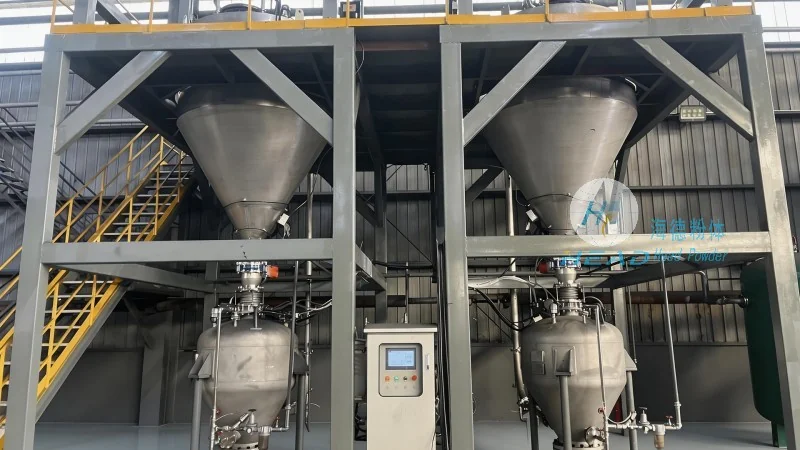
Improved Efficiency and Productivity
Pneumatic conveying systems can transport tailings slurry at high speeds and over long distances, reducing the time and labor required for material handling. This leads to increased productivity in mining operations and processing plants. The systems can operate continuously, ensuring a steady supply of material to the processing plant, which improves overall operational efficiency.
Reduced Maintenance Costs
Compared to traditional mechanical conveyors, pneumatic systems have fewer moving parts and are less prone to wear and tear. This reduces the need for frequent maintenance and replacement of components, resulting in lower maintenance costs over the system's lifespan. The use of high-quality materials and components further enhances the system's durability and reduces long-term maintenance expenses.
Enhanced Safety and Environmental Protection
Pneumatic conveying systems minimize the risk of accidents and environmental contamination. The enclosed system prevents the release of dust and fine particles into the environment, reducing the impact on local communities and ecosystems. Additionally, the systems reduce the risk of spills and leaks, which can occur with open conveyors or trucks. This improves workplace safety and complies with environmental regulations.
Conclusion
Tailings slurry pneumatic conveying systems are essential for modern mining and mineral processing operations, offering efficient, safe, and cost-effective solutions for material transport. The classification of these systems into positive pressure, negative pressure, and hybrid types allows for tailored solutions to specific operational needs. By considering factors such as distance, volume, and material properties, industry professionals can select the most appropriate system for their tailings management requirements. The benefits of these systems, including improved efficiency, reduced maintenance costs, and enhanced safety, make them a valuable investment for any mining operation.




