Shandong HeadPowder Engineering Co., Ltd. (headpowder), a professional manufacturer based in Shandong, China, specializes in the design, production, and installation of pneumatic conveying systems tailored for industrial applications, with a particular focus on handling desulfurization fly ash. The company has extensive experience in providing customized solutions that meet the specific requirements of various sectors, ensuring efficient and reliable material transport.
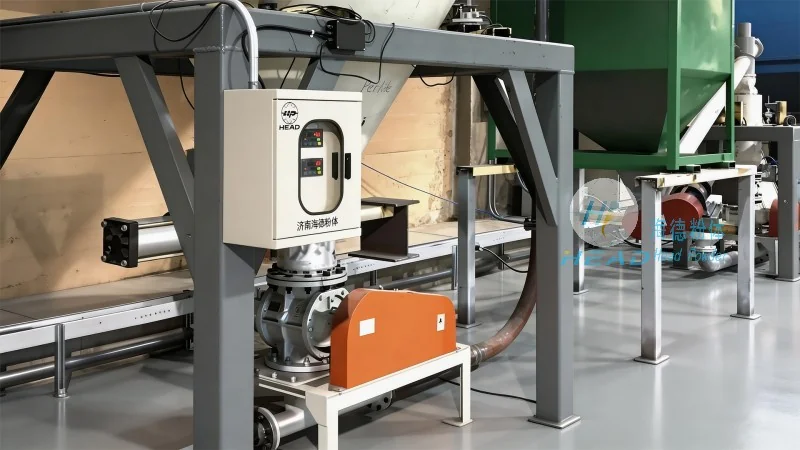
Classification of Desulfurization Fly Ash Pneumatic Conveying Systems
Pneumatic conveying systems for desulfurization fly ash can be categorized based on their operational principles and system configurations. The main types include positive pressure systems, negative pressure systems, and hybrid systems. Positive pressure systems utilize blowers or compressors to generate air pressure, pushing the material through the pipeline. This approach is ideal for long-distance and high-capacity conveying, as it can accommodate larger particle sizes and maintain high reliability. Negative pressure systems, conversely, employ vacuum pumps to create a suction effect, drawing the material into the pipeline. These systems are commonly used for shorter distances and are effective in handling fine particles, as the vacuum environment minimizes material degradation and dust generation. Hybrid systems combine elements of both positive and negative pressure, offering flexibility in conveying different materials under varying conditions. They are suitable for complex layouts and can handle a wide range of particle sizes and flow rates, making them adaptable to diverse industrial needs.
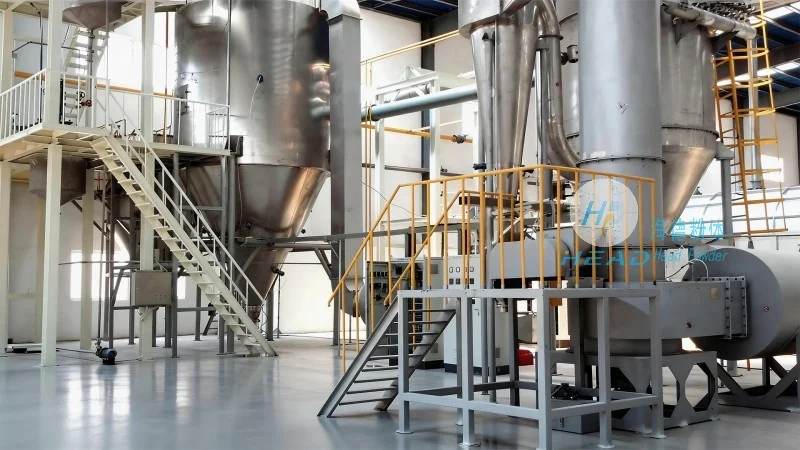
Application Analysis of Desulfurization Fly Ash Pneumatic Conveying Systems
The application of desulfurization fly ash pneumatic conveying systems spans multiple industries, each with unique requirements for material handling. In power plants, these systems play a critical role in transporting fly ash from the desulfurization unit to storage facilities or for reuse in cement production. The systems ensure efficient and safe handling of the ash, reducing manual labor and minimizing environmental risks. In the construction industry, the ash is often utilized as a raw material in concrete and mortar, and the pneumatic conveying system facilitates the transport of the material from storage areas to mixing plants. This enhances production efficiency and reduces transportation costs. Additionally, in environmental engineering, the systems are employed for the treatment and disposal of fly ash, ensuring compliance with environmental regulations and promoting sustainable waste management practices. The systems are specifically designed to handle the characteristics of desulfurization fly ash, such as its fine particle size and potential moisture content, which can impact conveying efficiency and system performance. By addressing these factors, the systems maintain optimal operation and contribute to overall process reliability.
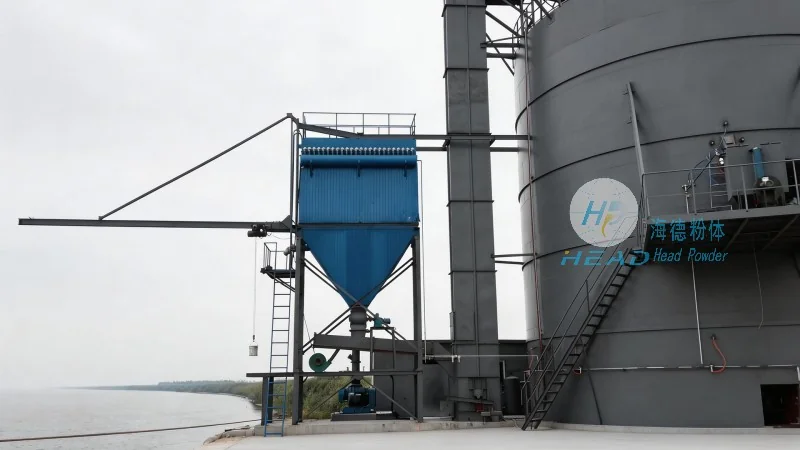
Key Considerations in System Design and Implementation
When designing and implementing desulfurization fly ash pneumatic conveying systems, several key factors must be considered to ensure optimal performance and longevity. Material properties, such as particle size distribution, moisture content, and density, are critical in determining the appropriate system type and configuration. For instance, fine particles may require negative pressure systems to prevent clogging, while larger particles are better suited for positive pressure systems. The system layout, including pipeline length, elevation changes, and number of bends, also influences the choice of equipment and air flow rates. Proper maintenance and monitoring are essential to prevent system failures and ensure consistent operation. Regular inspections of components like blowers, filters, and pipelines help identify potential issues early, reducing downtime and maintenance costs. Additionally, the integration of advanced control systems can enhance system efficiency and adaptability, allowing for real-time adjustments based on operational conditions.




