Pneumatic conveying is a method used to transport bulk materials like sawdust and wood flour through a pipeline using air or gas as the conveying medium. This technology is widely adopted in various industries due to its efficiency, flexibility, and ability to handle fine powders without contamination. Understanding the principles and applications of sawdust and wood flour pneumatic conveying is crucial for optimizing material handling processes in woodworking, paper manufacturing, and other related sectors.
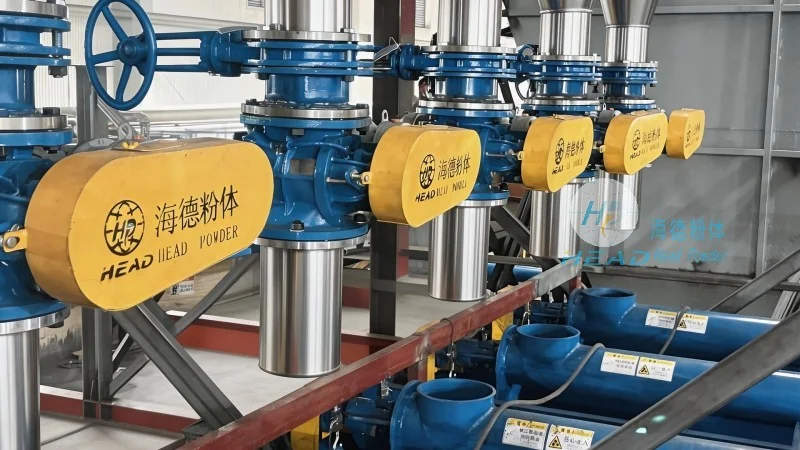
HeadPowder: A Leading Provider of Pneumatic Conveying Solutions
Shandong HeadPowder Engineering Co., Ltd., commonly known as HeadPowder, is a professional manufacturer and supplier specializing in pneumatic conveying systems. With a focus on innovation and quality, HeadPowder offers tailored solutions for handling sawdust and wood flour, ensuring reliable and efficient material transport. The company's headquarters is located in Shandong, China, where it leverages advanced technology and industry expertise to meet the diverse needs of its clients.
Types of Pneumatic Conveying Systems
Pneumatic conveying systems are categorized based on the pressure differential between the conveying line and the ambient environment. The two primary types are positive pressure (pressure) systems and negative pressure (vacuum) systems. Positive pressure systems operate by blowing air into the pipeline, pushing the material forward, while negative pressure systems use suction to draw the material into the line. For sawdust and wood flour, which are fine and lightweight powders, both systems have applications, but the choice depends on factors such as material characteristics, distance, and system complexity.
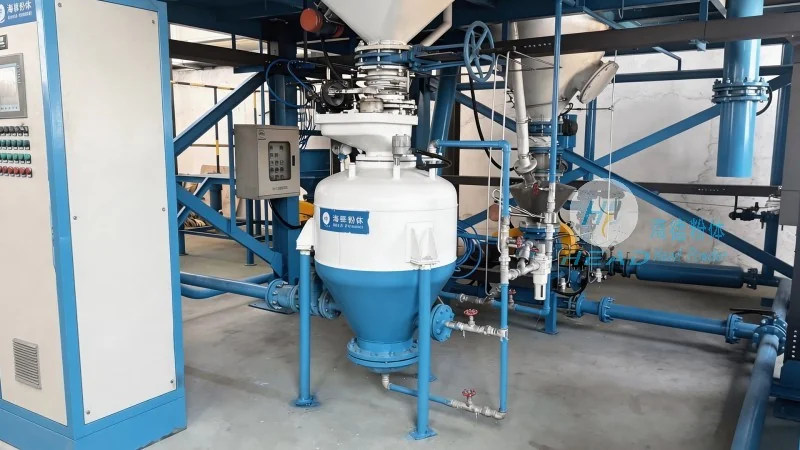
Positive Pressure Pneumatic Conveying
Positive pressure systems are commonly used for sawdust and wood flour transport due to their ability to handle high volumes and long distances. These systems generate pressure by using blowers or compressors, ensuring the material is pushed through the pipeline. Key components include the material feed hopper, airlock, and conveying line. The positive pressure approach minimizes the risk of material degradation and ensures consistent flow, making it suitable for industrial applications where reliability is paramount.
Negative Pressure Pneumatic Conveying
Negative pressure systems are ideal for applications requiring low noise levels and minimal air leakage. They operate by creating a vacuum in the conveying line, drawing the material from the source. This method is particularly effective for handling fine powders that are prone to dusting or caking. However, negative pressure systems may have limitations in terms of distance and material capacity compared to positive pressure systems. For sawdust and wood flour, negative pressure can be used for short to medium distances and when the material is relatively dry and non-abrasive.
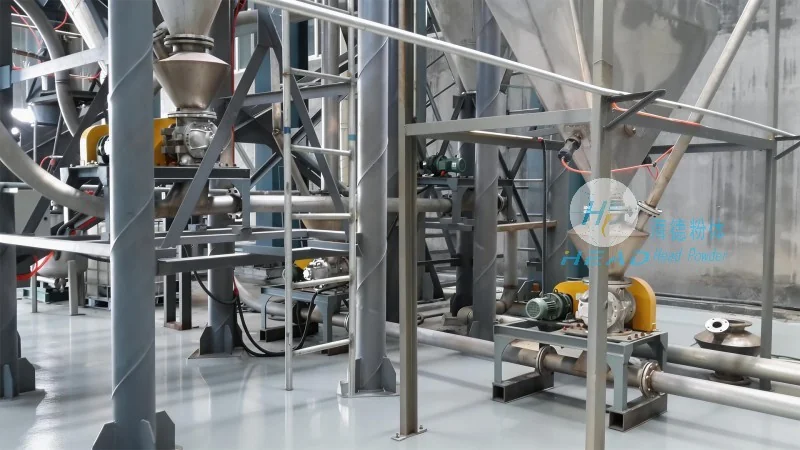
Applications of Sawdust and Wood Flour Pneumatic Conveying
The applications of sawdust and wood flour pneumatic conveying span across multiple industries. In the woodworking industry, these systems are used to transport sawdust from machining operations to storage or processing units. In the paper manufacturing sector, wood flour is conveyed to blending and mixing stations, where it is incorporated into paper products. Additionally, in the composite materials industry, sawdust and wood flour are used as raw materials for manufacturing wood-based panels, and pneumatic conveying ensures efficient integration into production lines. The versatility of pneumatic conveying makes it a preferred choice for handling these materials in various production environments.
Advantages of Pneumatic Conveying for Sawdust and Wood Flour
Implementing pneumatic conveying for sawdust and wood flour offers several advantages over traditional methods like belt conveyors or bucket elevators. One of the key benefits is the ability to handle fine powders without the risk of material degradation or contamination. Pneumatic systems also provide a closed-loop operation, reducing dust emissions and improving workplace safety. Furthermore, these systems are flexible and can be easily integrated into existing production lines, allowing for adjustments in material flow and processing. The efficiency of pneumatic conveying in terms of energy consumption and operational costs is another significant advantage, making it a cost-effective solution for bulk material transport.




