For industrial applications involving the handling of fine powders like melamine, pneumatic conveying systems offer an efficient and reliable method of material transport. This article explores the concept of melamine powder pneumatic conveying, outlines the different classifications of pneumatic conveying systems, and discusses their practical applications in various industries.
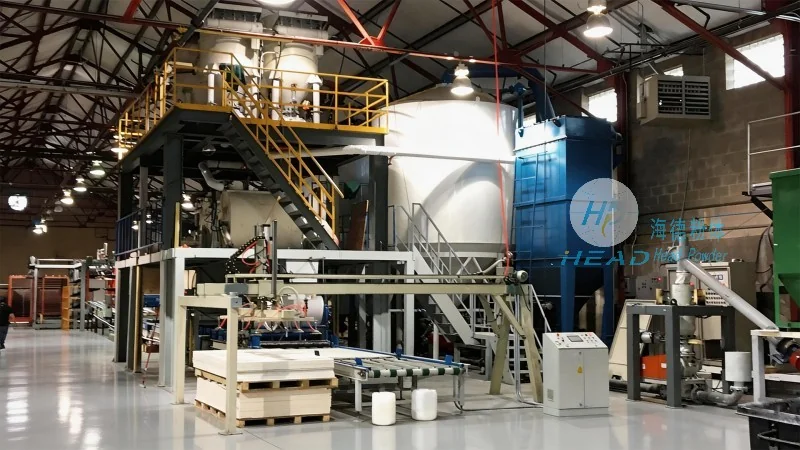
Understanding Pneumatic Conveying for Melamine Powder
Pneumatic conveying, also known as pneumatic transport, is a technology that uses pressurized air or vacuum to move bulk materials through a pipeline. In the context of melamine powder, which is a fine, white powder commonly used in the production of melamine resin and other chemical products, specialized pneumatic conveying systems are required to handle its characteristics such as low bulk density, high dust generation, and potential for static electricity. The primary goal of a melamine powder pneumatic conveying system is to transport the material from a source, such as a storage silo or a production line, to a destination, like a processing unit or a packaging station, with minimal loss, contamination, and energy consumption.
Classification of Pneumatic Conveying Systems
Pneumatic conveying systems are broadly classified into two main categories: pressure and vacuum systems. Each type has distinct characteristics and is suitable for different operational requirements.
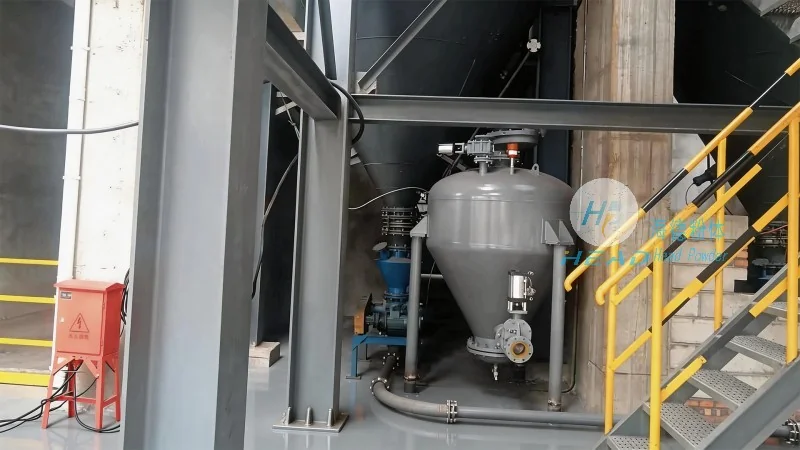
Pressure Conveying Systems operate by introducing compressed air into the material stream, creating a pressure differential that propels the powder through the pipeline. These systems are typically used for short to medium distance transport and are effective for handling materials that are not overly abrasive or corrosive. In pressure systems, the air and material are mixed at the inlet, and the mixture travels through the pipeline under positive pressure. The system often includes components like a rotary airlock valve at the inlet to control the flow rate and a filter at the outlet to separate the air from the powder.
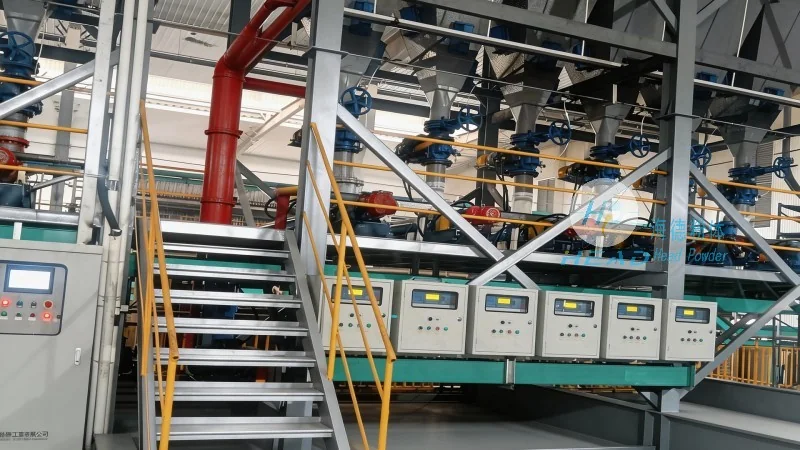
Vacuum Conveying Systems, on the other hand, use a vacuum pump to create a negative pressure in the pipeline, drawing the material from the source into the system. Vacuum systems are ideal for long-distance transport, as they can maintain a consistent suction pressure over longer distances. They are commonly used when the material needs to be transported from multiple points or when the source is at a higher elevation than the destination. The vacuum system typically includes a suction hopper, a filter, and a vacuum pump, with the material being drawn into the pipeline through a venturi or a suction nozzle.
Applications of Pneumatic Conveying in Melamine Powder Handling
Melamine powder is widely used in various industries, including the production of melamine-formaldehyde resins, adhesives, and coatings. The efficient handling of this material is crucial for maintaining product quality and operational efficiency. Pneumatic conveying systems are particularly advantageous in these applications due to their ability to handle fine powders without the need for mechanical components that could cause contamination or material degradation.
In the manufacturing of melamine resin, for example, pneumatic conveying is used to transport melamine powder from storage silos to reactors or mixing units. The system ensures that the powder is delivered in a controlled manner, preventing agglomeration and ensuring consistent mixing ratios. Similarly, in the production of adhesives and coatings, pneumatic conveying is used to transport melamine powder to mixing tanks, where it is combined with other ingredients to form the final product.
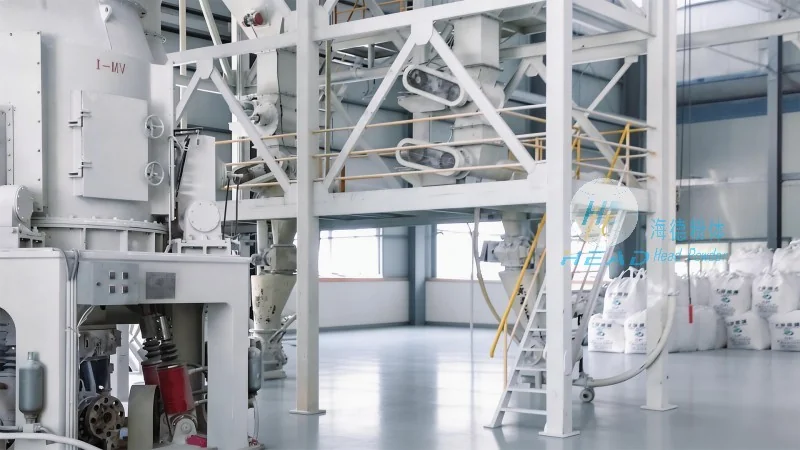
Another application is in the packaging of melamine powder. Pneumatic conveying systems can be integrated with packaging lines to transport the powder from a storage area to a filling machine. This ensures that the powder is delivered to the packaging unit in a clean and controlled manner, reducing the risk of spillage and contamination. The use of pneumatic conveying in packaging also allows for precise control over the fill weight, which is critical for maintaining product consistency and meeting regulatory requirements.
Key Considerations for Melamine Powder Pneumatic Conveying
When implementing a pneumatic conveying system for melamine powder, several factors need to be considered to ensure optimal performance and longevity of the equipment. These factors include the material's properties, such as particle size, moisture content, and flowability, as well as the system's design and operational parameters.
First, the particle size of melamine powder is a critical factor. Fine powders, like melamine, are more prone to caking and agglomeration, which can affect the flow characteristics and increase the risk of blockages in the pipeline. Therefore, the design of the conveying system, including the choice of pipeline diameter and the use of inline mixers or vibrators, is important to maintain the material's flowability. Additionally, the moisture content of the powder should be monitored, as excess moisture can lead to caking and reduced conveying efficiency.
Second, the system's design must account for the potential for static electricity. Melamine powder is a good insulator and can generate static charges during handling, which can lead to dust explosions or electrostatic discharge. To mitigate this risk, anti-static measures such as grounding the system and using conductive materials in the pipeline are essential. The use of a humidifier to add a small amount of moisture to the air can also help to reduce static buildup.
Third, the operational parameters of the system, such as the air pressure or vacuum level, must be optimized to balance conveying efficiency with energy consumption. Higher pressure or vacuum levels can increase the conveying capacity but also increase energy costs. Therefore, it is important to select the appropriate system based on the specific requirements of the application, including the distance to be covered, the material flow rate, and the desired conveying velocity.
Conclusion
Pneumatic conveying is a vital technology for the efficient and safe handling of melamine powder in various industrial applications. By understanding the different classifications of pneumatic conveying systems and their applications, industries can select the most suitable system for their specific needs. Proper design and operation of the system, considering factors such as material properties and anti-static measures, are crucial for achieving optimal performance and minimizing operational costs.




