When discussing the pneumatic conveying of expanded clay aggregate, it's essential to understand the various system classifications based on operational principles and pressure differentials. The primary categories include positive pressure systems, negative pressure systems, and hybrid systems. Positive pressure systems operate by blowing air or gas into the conveying line, creating a pressure higher than the ambient environment. This method is often preferred for long-distance or high-capacity applications, as it can handle abrasive materials like expanded clay aggregate with minimal wear on components. Negative pressure systems, conversely, draw material into the system using suction, maintaining a lower pressure than the surroundings. These systems are typically used for shorter distances or when handling materials that are more sensitive to pressure changes. Hybrid systems combine elements of both positive and negative pressure, offering flexibility in conveying different types of materials or varying distances. Each classification has its own set of advantages and limitations, which influence the choice of system for specific expanded clay aggregate applications.
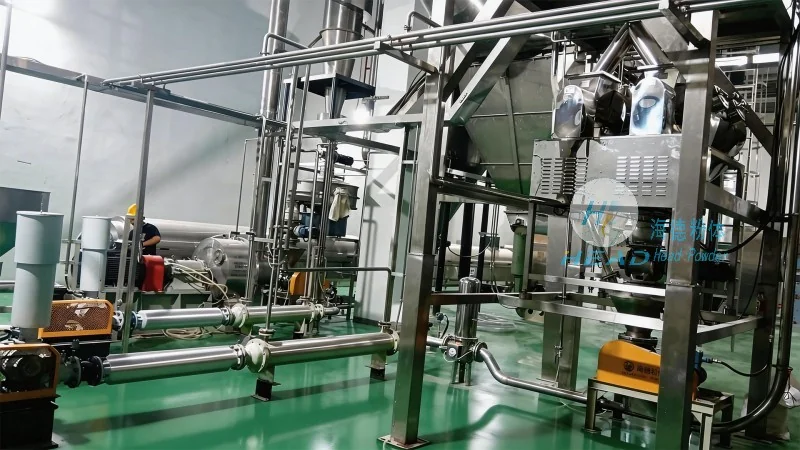
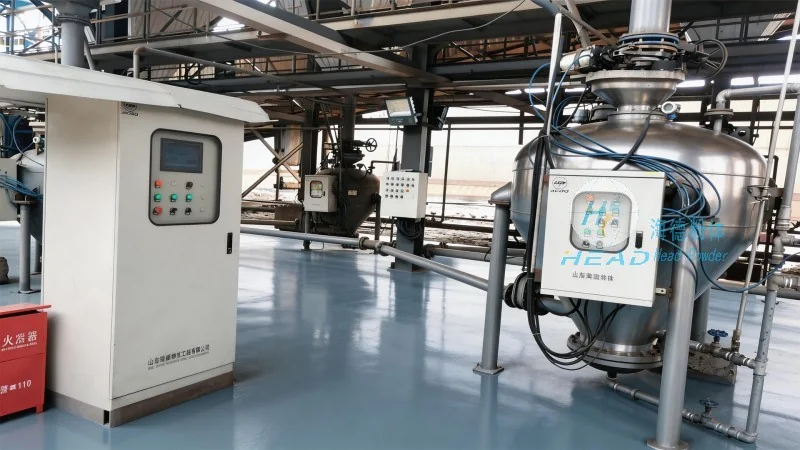
Application Analysis of Pneumatic Conveying Systems in Industry
Expanded clay aggregate, a lightweight, porous material commonly used in construction and industrial processes, requires efficient and reliable material handling solutions. Pneumatic conveying systems have emerged as a preferred method for transporting this material due to their ability to handle bulk quantities with minimal manual intervention. In the construction sector, these systems are widely used for transporting expanded clay aggregate to job sites, where it is utilized in lightweight concrete, insulation, and structural fill applications. The efficiency of pneumatic conveying reduces labor costs and improves safety by eliminating the need for manual loading and unloading. In industrial settings, such as manufacturing plants that incorporate expanded clay aggregate into composite materials, pneumatic systems ensure consistent material flow and quality control. The ability to maintain a consistent air flow and pressure in these systems helps prevent material degradation and ensures that the expanded clay aggregate retains its desired properties, such as thermal insulation and lightweight characteristics. Additionally, the systems can be integrated with other processing equipment, such as mixers or dryers, to streamline production workflows.
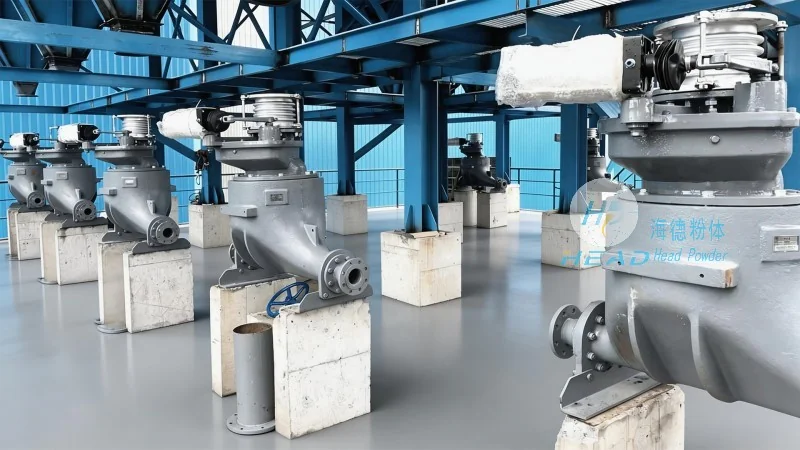
Technical Advantages and Practical Considerations for Pneumatic Conveying Systems
Several technical advantages make pneumatic conveying systems an attractive option for expanded clay aggregate transport. One key benefit is the ability to handle abrasive materials without excessive wear on the conveying components. Expanded clay aggregate, with its rough surface and potential for particle breakage, can be challenging for traditional mechanical conveying methods. Pneumatic systems, particularly those using positive pressure and robust materials like stainless steel or high-grade plastic, can withstand the abrasive nature of the material, reducing maintenance costs and extending the system's lifespan. Another advantage is the flexibility in system design, allowing customization based on the specific requirements of the application. For instance, the system can be configured for vertical or horizontal transport, or for both, depending on the layout of the facility. This adaptability is crucial in industrial settings where space constraints or existing infrastructure may limit the choice of conveying method. However, practical considerations must also be taken into account when implementing pneumatic conveying systems. The cost of installation and maintenance can be higher compared to traditional methods, especially for large-scale systems. Additionally, the energy consumption of pneumatic systems, particularly those operating at high pressures, can be significant. Proper sizing of the air compressor and the conveying line is essential to optimize energy efficiency and minimize operational costs. Furthermore, the system's performance is highly dependent on the properties of the material being conveyed, such as particle size, moisture content, and density. Proper material preparation, including drying and screening, is necessary to ensure smooth operation and prevent blockages or system inefficiencies.
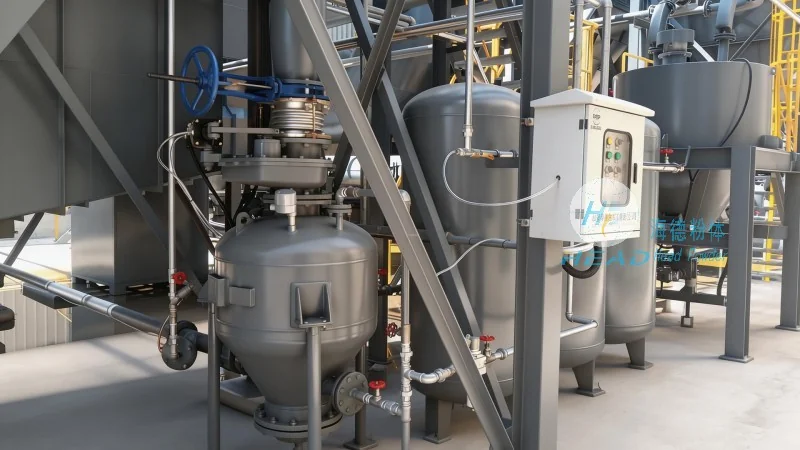
Case Studies and Real-World Applications of HeadPowder's Pneumatic Conveying Solutions
Shandong HeadPowder Engineering Co., Ltd., a leading provider of pneumatic conveying systems, has successfully implemented and optimized solutions for expanded clay aggregate transport in various industrial and construction projects. One notable case study involves a large-scale construction project in China where the company supplied a positive pressure pneumatic conveying system to transport expanded clay aggregate from a storage silo to a batching plant. The system was designed to handle 200 tons per hour of material over a distance of 150 meters, with a vertical lift of 30 meters. The implementation resulted in a 30% reduction in labor costs and a 20% increase in production efficiency compared to traditional mechanical conveying methods. The system's robust design, using stainless steel components and advanced air control technology, ensured minimal wear and consistent material flow, even with the abrasive nature of the expanded clay aggregate. Another application involved an industrial plant that produces lightweight concrete using expanded clay aggregate as a key ingredient. HeadPowder's hybrid pneumatic conveying system was integrated with the plant's existing production line, allowing for seamless material transfer from the storage area to the mixing and casting stages. The system's ability to maintain precise pressure and flow rates helped maintain the quality of the lightweight concrete, ensuring consistent strength and thermal insulation properties. These case studies highlight the effectiveness of pneumatic conveying systems in improving operational efficiency and product quality for expanded clay aggregate applications. By leveraging advanced technology and tailored system designs, companies like HeadPowder are helping industries optimize their material handling processes and achieve better results in their production workflows.




