Calcined gypsum powder conveying machines are essential equipment in industrial applications, particularly in the processing and transportation of calcined gypsum. This article provides a detailed overview of the operation process and working principle of such machines, highlighting their design, functionality, and the role they play in efficient material handling.
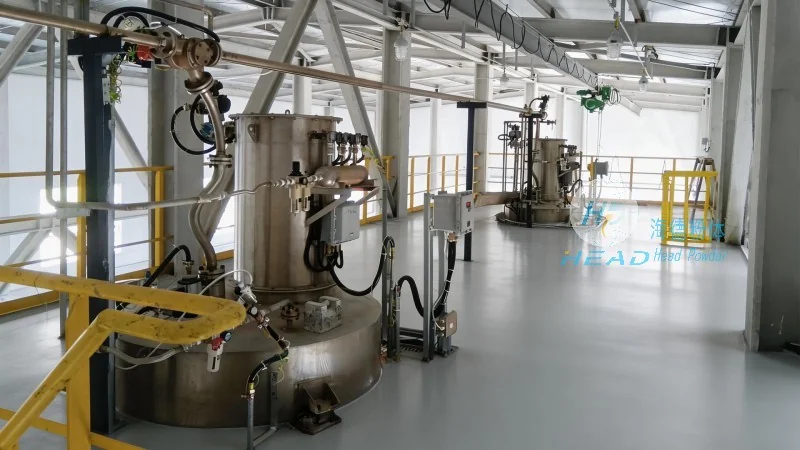
Company Overview: Shandong HeadPowder Engineering Co., Ltd.
HeadPowder, a leading manufacturer in the field of powder handling and conveying systems, specializes in providing high-quality solutions for various industrial needs. With a strong commitment to innovation and precision engineering, the company has established itself as a trusted partner for businesses requiring reliable and efficient powder transport solutions. HeadPowder's headquarters is located in Shandong, China, where the company's research and development teams continuously work to enhance the performance and durability of their equipment.
Product Introduction: Calcined Gypsum Powder Conveying Machine
The calcined gypsum powder conveying machine is a specialized device designed to transport calcined gypsum powder from one location to another within industrial facilities. This equipment is engineered to handle the unique properties of calcined gypsum, such as its fine particle size and potential for dust generation, ensuring safe and efficient material movement. The machine is typically used in applications like gypsum board production, construction material manufacturing, and other industries where calcined gypsum is a key raw material.
Working Principle of the Conveying Machine
The operation of a calcined gypsum powder conveying machine is based on the principles of pneumatic or mechanical conveying, depending on the specific design. The machine typically consists of a hopper, a conveyor system (either pneumatic ducts or mechanical components), and a discharge outlet. The process begins with the calcined gypsum powder being fed into the hopper. From there, the powder is transported through the conveyor system, which may involve air pressure (in pneumatic systems) or mechanical components (in mechanical systems) to move the material along the desired path.
Step-by-Step Operation Process
1. **Material Loading**: The calcined gypsum powder is loaded into the hopper at the starting point of the conveying system. The hopper is designed to hold a sufficient quantity of material to ensure continuous operation without frequent refilling.
2. **Conveying Initiation**: Once the hopper is filled, the conveying mechanism is activated. In pneumatic systems, compressed air is introduced into the ducts, creating a flow that carries the powder particles. In mechanical systems, a screw or belt mechanism moves the powder through the conveyor.
3. **Transport to Destination**: The powder is transported along the conveyor path to the discharge point, which is typically located at the end of the system or at a designated processing area. The speed and direction of the conveying can be adjusted to match the requirements of the downstream equipment.
4. **Discharge and Dosing**: At the discharge point, the calcined gypsum powder is released into a container or directly into the processing equipment. The system may include dosing mechanisms to control the flow rate, ensuring precise and consistent material delivery.
Key Components and Their Functions
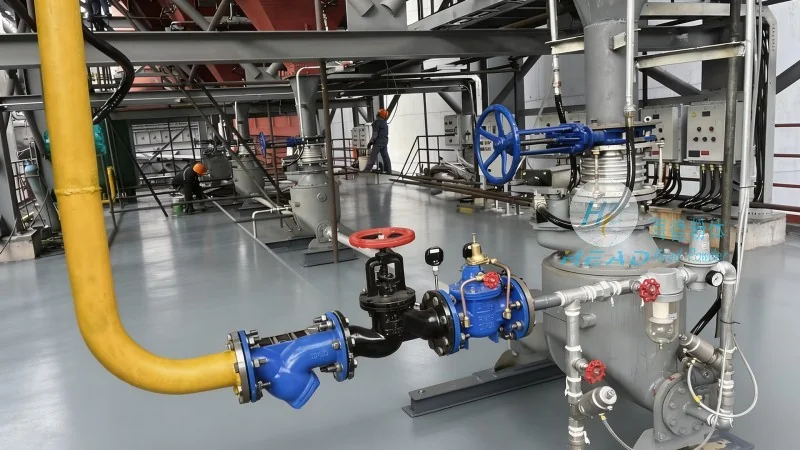
The calcined gypsum powder conveying machine comprises several critical components, each playing a vital role in the overall operation:
• **Hopper**: A storage container that holds the calcined gypsum powder before it is fed into the conveyor system. The hopper is designed to prevent material bridging and ensure smooth flow.
• **Conveying System**: This is the core of the machine, responsible for moving the powder. Pneumatic systems use air pressure to transport the material, while mechanical systems employ screws, belts, or other mechanisms.
• **Ducts and Pipes**: In pneumatic systems, these components form the path for the powder and air mixture. The ducts are typically made of materials resistant to corrosion and wear, such as stainless steel or special plastics.
• **Valves and Controls**: These components regulate the flow of air and powder, allowing for adjustments in speed and direction. They ensure the conveying process is controlled and efficient.
• **Filters and Dust Collectors**: To manage dust and ensure environmental compliance, the machine may include filters and dust collection systems that capture any airborne particles.
Advantages of Using Calcined Gypsum Powder Conveying Machines
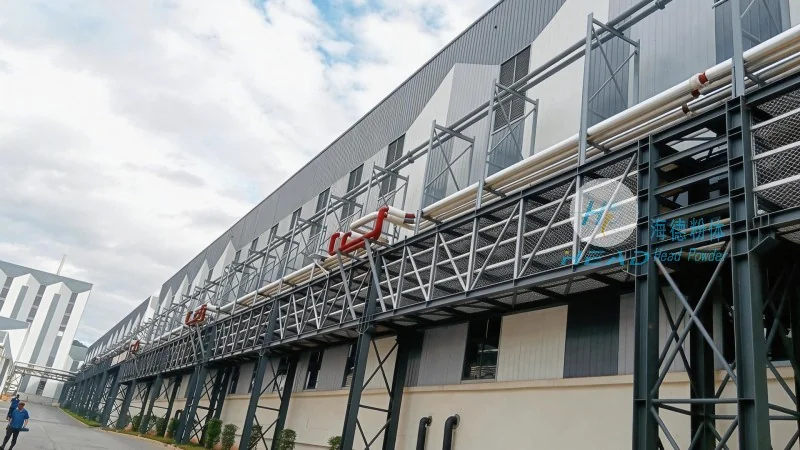
Implementing a calcined gypsum powder conveying machine offers several advantages in industrial operations:
• **Efficient Material Handling**: The machine enables the rapid and continuous transport of calcined gypsum, reducing manual labor and increasing production efficiency.
• **Reduced Dust and Contamination**: Properly designed systems minimize dust generation and prevent contamination of the material, ensuring product quality.
• **Space-Saving Design**: Many conveying machines are compact and can be integrated into existing industrial layouts, optimizing space utilization.
• **Versatility**: The equipment can be adapted to various production requirements, accommodating different powder quantities and processing speeds.
Maintenance and Safety Considerations
Regular maintenance is crucial to ensure the long-term performance and safety of the calcined gypsum powder conveying machine. Key maintenance tasks include cleaning the hopper and ducts to prevent material buildup, checking for wear and tear on components, and inspecting the air or mechanical systems for proper operation. Safety considerations include ensuring proper ventilation to prevent dust accumulation, using appropriate protective equipment when operating the machine, and following all safety protocols to avoid accidents.
Conclusion
Calcined gypsum powder conveying machines are indispensable in industries that rely on the efficient handling of calcined gypsum. By understanding the operation process and working principle of these machines, businesses can optimize their material transport processes, enhance productivity, and maintain product quality. With the expertise of companies like Shandong HeadPowder Engineering Co., Ltd., industries can access reliable and high-performance conveying solutions tailored to their specific needs.




