For manufacturers in the lithium-ion battery industry, the efficient and reliable transport of anode materials is critical to production continuity and product quality. Pneumatic conveying systems have become a popular choice due to their ability to handle fine powders like anode materials, but a common challenge is pipeline blockage. This article explores effective strategies to prevent blockages in pneumatic conveying systems for lithium-ion battery anode materials and highlights key design parameters that contribute to system performance and longevity.
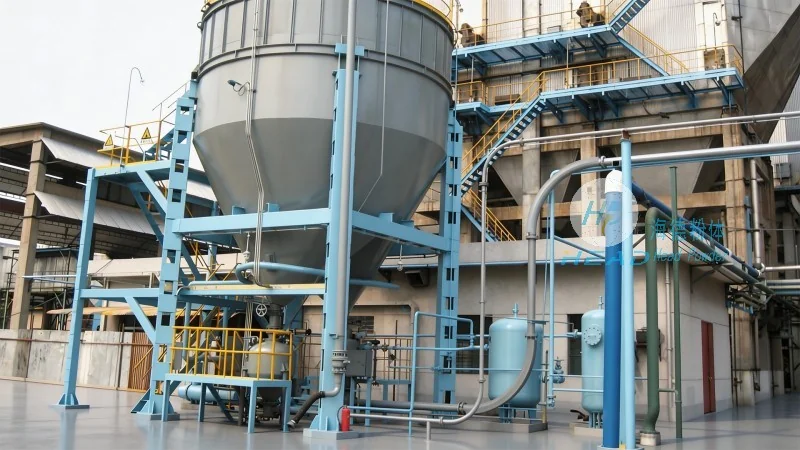
Understanding the Risks of Pipeline Blockages in Pneumatic Conveying
Pipeline blockages in pneumatic conveying systems can lead to significant operational disruptions, increased maintenance costs, and potential damage to equipment. In the context of lithium-ion battery anode material transport, blockages may occur due to factors such as material agglomeration, moisture content, or improper system design. These blockages can cause pressure surges, reduced airflow, and even system shutdowns, impacting production schedules and overall efficiency. Therefore, implementing preventive measures is essential to maintain smooth operation and ensure consistent material flow.
Key Design Parameters for Preventing Blockages in Pneumatic Conveying Systems
Several critical design parameters must be considered when designing a pneumatic conveying system for lithium-ion battery anode materials to minimize the risk of blockages. These parameters include:
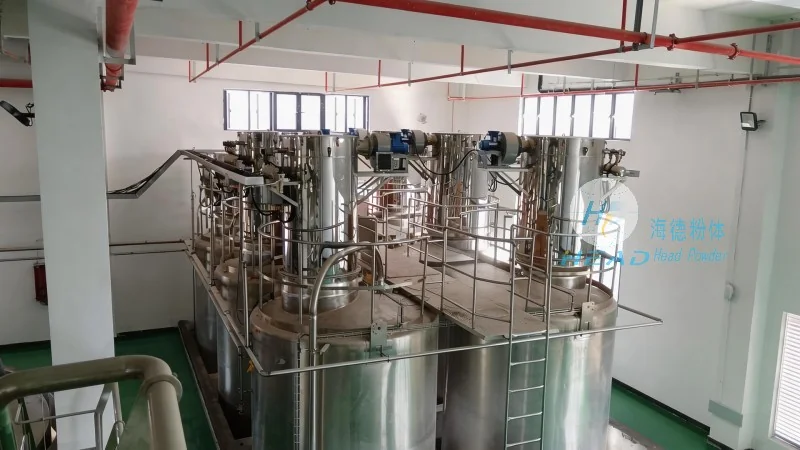
1. Material Properties and Moisture Control
The physical and chemical properties of the anode material, particularly its moisture content and tendency to agglomerate, play a crucial role in system performance. High moisture levels can cause the material to clump together, leading to blockages. To mitigate this, effective moisture control measures are essential. This may involve drying the material before transport or incorporating moisture sensors and control systems into the conveying process. Additionally, selecting materials with low hygroscopicity or using anti-caking agents can help maintain material flowability.
2. Airflow Rate and Pressure Management
The airflow rate and pressure within the pneumatic conveying system are fundamental to preventing blockages. Insufficient airflow can lead to material settling and blockages, while excessive pressure may cause wear on components and increase energy consumption. Optimizing the airflow rate based on the material's bulk density and particle size is critical. This often involves calculating the required air velocity and pressure drop to ensure smooth material transport without causing excessive stress on the system. Proper pressure management also includes installing pressure relief valves and monitoring systems to detect abnormal pressure changes that may indicate blockages.
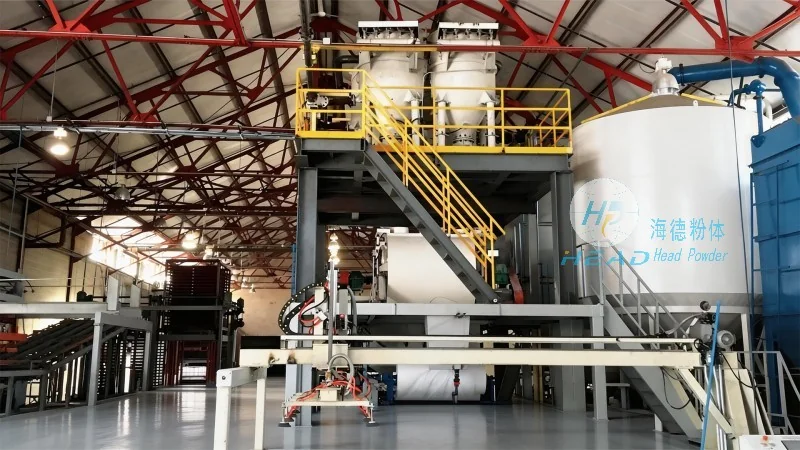
3. Conveying Line Sizing and Layout
The diameter and length of the conveying line, as well as the layout of the system, significantly impact the risk of blockages. Larger diameter lines can accommodate higher material volumes and reduce the likelihood of particle accumulation. However, overly large lines may increase energy consumption. The layout should minimize bends and changes in direction, as sharp turns can cause material to settle and create blockages. Using smooth, non-porous pipe materials and incorporating cleaning mechanisms, such as air knives or vibrators, can also help prevent material buildup. Additionally, ensuring proper alignment of the conveying line with the material's flow characteristics is essential for maintaining consistent transport.
4. Solids Feeders and Metering Systems
The solids feeder or metering system is a critical component that directly influences the flow of anode material into the conveying line. Inconsistent or improper feeding can lead to surges or uneven material distribution, which may cause blockages. Selecting a feeder that matches the material's flow characteristics, such as a rotary valve or screw feeder, is important. These systems should be designed to provide a steady, controlled flow rate that prevents material buildup at the inlet. Additionally, incorporating features like pre-sieving or de-agglomeration steps before feeding can improve material flowability and reduce blockage risks.
5. Cleaning and Maintenance Protocols
Even with optimal design, regular cleaning and maintenance are necessary to prevent long-term blockages. Implementing a routine maintenance schedule that includes inspecting and cleaning the conveying line, filters, and solids feeders is essential. This may involve using air blow-back systems or mechanical cleaning tools to remove accumulated material. Additionally, monitoring system performance through pressure sensors and flow meters can help detect early signs of blockage or system inefficiency, allowing for timely intervention. Proper training of maintenance personnel on the system's operation and troubleshooting procedures is also crucial for maintaining system reliability.
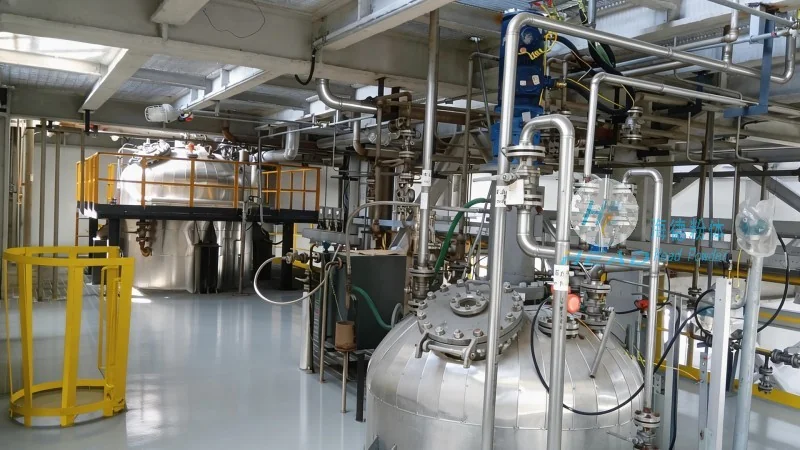
Case Study: Successful Implementation by Shandong HeadPowder Engineering Co., Ltd.
Shandong HeadPowder Engineering Co., Ltd., a leading provider of pneumatic conveying solutions, has successfully implemented a system to prevent blockages in lithium-ion battery anode material transport for a major battery manufacturer. The company designed a customized pneumatic conveying system that incorporated several of the key parameters discussed above. By controlling moisture levels through a pre-drying process, optimizing airflow rates based on material properties, and using appropriately sized conveying lines with minimal bends, the system achieved a 95% reduction in blockage incidents compared to traditional systems. The manufacturer reported improved production efficiency, reduced downtime, and lower maintenance costs as a result of the system's effectiveness.
Conclusion: Balancing Efficiency and Reliability in Pneumatic Conveying
Preventing pipeline blockages in pneumatic conveying systems for lithium-ion battery anode materials requires a comprehensive approach that considers material properties, system design, and operational practices. By focusing on key design parameters such as moisture control, airflow management, line sizing, feeder selection, and regular maintenance, manufacturers can significantly reduce the risk of blockages and ensure smooth, reliable material transport. Companies like Shandong HeadPowder Engineering Co., Ltd. play a vital role in providing tailored solutions that address these challenges, helping battery manufacturers maintain high production standards and meet growing market demands. With proper design and implementation, pneumatic conveying systems can be a highly effective and efficient method for transporting anode materials, contributing to the overall success of lithium-ion battery production.




