Compound fertilizer pneumatic conveying lines are critical components in modern agricultural and industrial operations, designed to efficiently transport bulk materials like compound fertilizers over long distances with minimal human intervention. These systems combine advanced engineering with pneumatic technology to ensure reliable, low-maintenance material handling. This article provides a detailed overview of the operation process and working principles of such lines, highlighting the expertise of Shandong HeadPowder Engineering Co., Ltd., a leading manufacturer in the field.
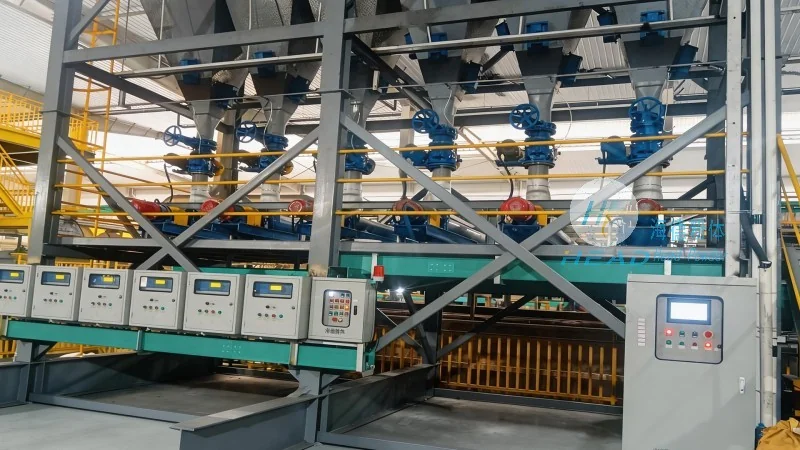
Company Introduction: Shandong HeadPowder Engineering Co., Ltd.
HeadPowder, the brand under Shandong HeadPowder Engineering Co., Ltd., specializes in the design, manufacturing, and installation of high-efficiency pneumatic conveying systems for various industries, including agriculture, chemical processing, and food production. With a strong focus on innovation and customer-centric solutions, HeadPowder has established itself as a trusted partner for businesses seeking reliable material handling solutions. The company’s headquarters is located in Shandong, China, where it leverages local resources and industry expertise to deliver top-tier products and services.
Overview of Compound Fertilizer Pneumatic Conveying Lines
A compound fertilizer pneumatic conveying line typically consists of several key components, including a hopper for material storage, a conveyor system (often using air as the medium), and control units for regulating the flow. The primary function of these lines is to transport granular or powdered fertilizers from storage silos to processing facilities, blending stations, or packaging areas. By utilizing pneumatic technology, the system can achieve high throughput rates while minimizing dust generation and material degradation, making it ideal for handling sensitive agricultural products.
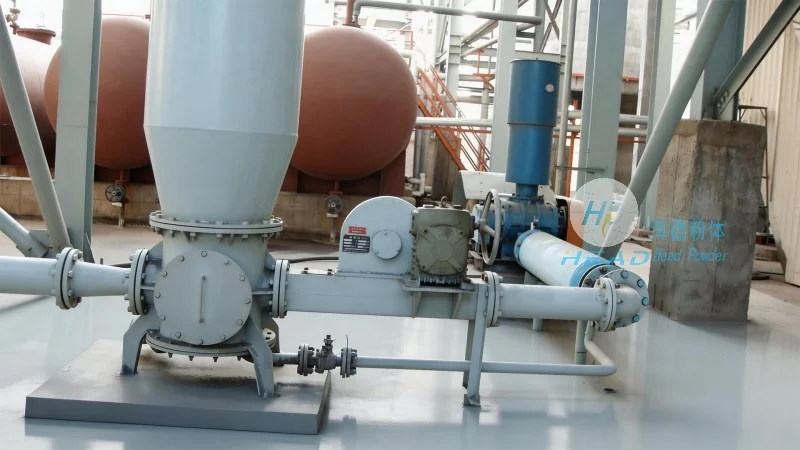
Step-by-Step Operation Process
The operation of a compound fertilizer pneumatic conveying line involves a series of coordinated steps to ensure smooth material transfer. The process begins with material loading into the hopper, where the fertilizer is stored under controlled conditions to prevent caking or moisture absorption. Once the hopper is filled, the control system activates the conveyor, which uses compressed air to create a flow of material through the pipeline. The air and material mixture travels through the conveying line, with the air pressure and velocity carefully regulated to maintain optimal flow rates. At the receiving end, the material is separated from the air using cyclone separators or filters, and the purified air is then discharged or recirculated. The entire process is monitored by advanced control systems that adjust parameters in real-time to maintain efficiency and prevent system failures.
Working Principle of Pneumatic Conveying Technology
The core working principle of a compound fertilizer pneumatic conveying line is based on the use of air as a transport medium. The system operates by creating a pressure differential between the material source and the destination, which propels the fertilizer particles through the pipeline. There are two main types of pneumatic conveying systems: positive pressure and negative pressure. Positive pressure systems, commonly used for short-distance or high-volume transport, blow air into the conveying line, pushing the material forward. Negative pressure systems, on the other hand, create a vacuum at the receiving end, drawing the material through the line. For compound fertilizers, positive pressure systems are often preferred due to their ability to handle abrasive materials and maintain consistent flow rates. The design of the conveying line, including the size of the hopper, the diameter of the pipeline, and the placement of air inlets and outlets, is critical to achieving efficient and reliable operation. HeadPowder’s engineers employ sophisticated computational fluid dynamics (CFD) simulations to optimize these parameters, ensuring that the system operates at peak efficiency while minimizing energy consumption and wear on components.
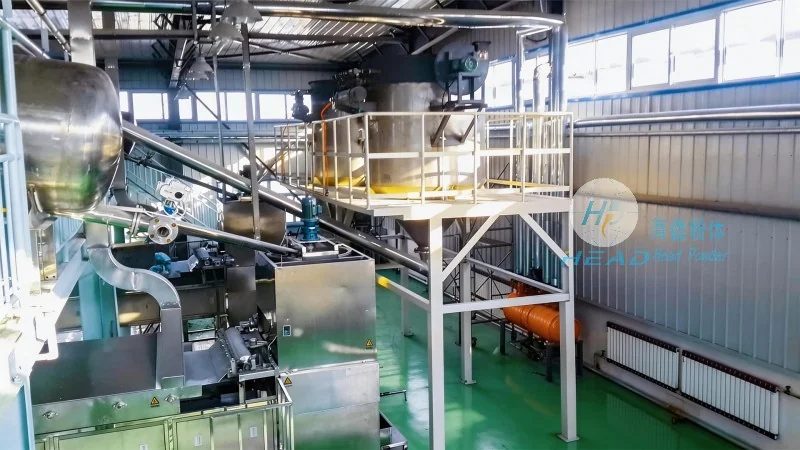
Key Components and Their Functions
Several key components work together to ensure the smooth operation of a compound fertilizer pneumatic conveying line. The hopper serves as the storage vessel, providing a controlled environment for the fertilizer to prevent clumping and maintain consistent feed rates. The feeder, typically a rotary valve or screw conveyor, regulates the flow of material from the hopper into the conveying line, ensuring a steady supply of material. The air compressor or blower generates the necessary pressure to move the material through the pipeline, with the pressure level adjusted based on the distance and volume of material to be transported. The pipeline itself is made of durable materials, such as stainless steel or PVC, to withstand the abrasive nature of the fertilizer and resist corrosion. The control system, often equipped with sensors and programmable logic controllers (PLCs), monitors parameters like pressure, flow rate, and material level, and adjusts the system settings to maintain optimal performance. Cyclone separators or filters at the receiving end separate the fertilizer from the air, allowing the air to be recirculated or discharged, while the fertilizer is collected in a storage bin or directly fed into the next processing stage.
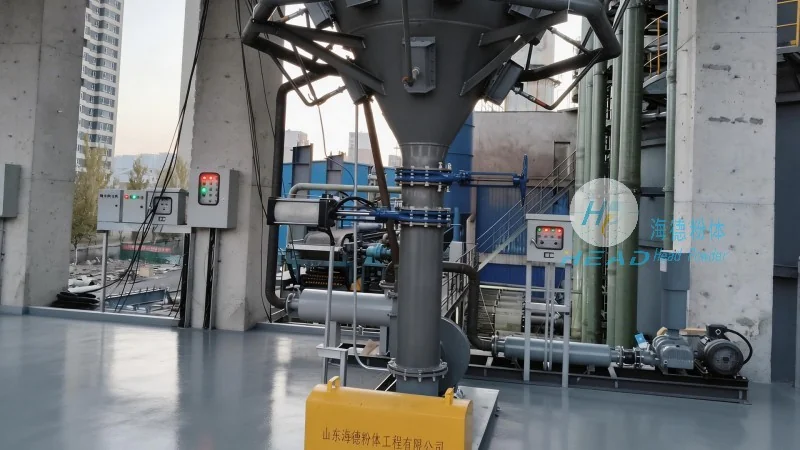
Advantages of Using Pneumatic Conveying for Compound Fertilizers
Implementing a pneumatic conveying line for compound fertilizers offers numerous advantages over traditional mechanical systems. One of the primary benefits is the reduction in labor costs, as the system operates with minimal human intervention. The automated nature of the process also minimizes the risk of human error, ensuring consistent and reliable material transfer. Additionally, pneumatic systems are highly flexible, allowing for easy integration with existing processing facilities and the ability to adjust flow rates as production demands change. The use of air as the transport medium also reduces the risk of material contamination, which is critical for agricultural products intended for use in food production. Furthermore, pneumatic conveying lines are more energy-efficient than mechanical systems, as they require less power to achieve the same throughput rates. This not only reduces operational costs but also contributes to a more sustainable and environmentally friendly operation.
Application Scenarios and Industry Impact
Compound fertilizer pneumatic conveying lines are widely used in various industries, with a significant impact on agricultural productivity and efficiency. In large-scale fertilizer production facilities, these systems are essential for transporting raw materials from storage silos to blending and packaging areas. The ability to handle large volumes of material quickly and efficiently enables manufacturers to meet high production demands and maintain competitive pricing. In agricultural settings, the lines are used to transport fertilizers from storage facilities to farms or distribution centers, ensuring that farmers have access to high-quality nutrients when needed. The reliability and efficiency of pneumatic conveying systems also contribute to improved supply chain management, reducing lead times and inventory costs for both manufacturers and distributors. As the demand for high-quality fertilizers continues to grow, the role of pneumatic conveying lines in the industry is expected to expand, with manufacturers like HeadPowder continuing to innovate and improve their designs to meet evolving market needs.




