For industries relying on efficient dry material handling, pneumatic conveying systems offer a versatile solution. However, a common challenge is the risk of pipeline blockages, which can disrupt operations and increase maintenance costs. Understanding and implementing the right design parameters are crucial to mitigate these issues and ensure smooth material flow. This article explores effective strategies to prevent blockages in pneumatic conveying systems, focusing on key design considerations that enhance system reliability and performance.
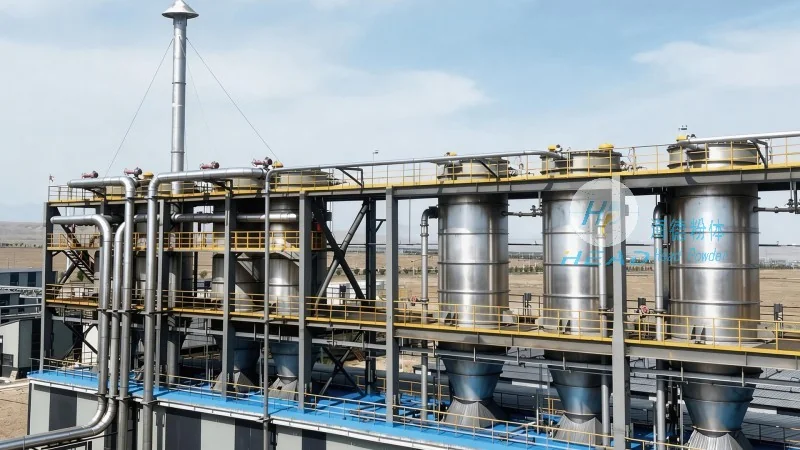
Understanding the Risks of Pipeline Blockages in Pneumatic Conveying
Pipeline blockages in pneumatic conveying systems occur when materials accumulate and form a solid plug, obstructing the flow of air and material. This can happen due to various factors, including the physical properties of the dry material, the design of the conveying system, and operational conditions. Common causes include high moisture content in the material, which can cause clumping; improper air-to-solid ratios, leading to insufficient air velocity to move the material; and inadequate pipeline sizing, resulting in excessive pressure drops and material settling. Recognizing these risks is the first step toward implementing effective prevention strategies.
Key Design Parameters for Preventing Blockages
Several critical design parameters must be considered to minimize the risk of pipeline blockages in pneumatic conveying systems. These parameters are tailored to the specific characteristics of the dry material being handled and the operational requirements of the system. The primary factors include:
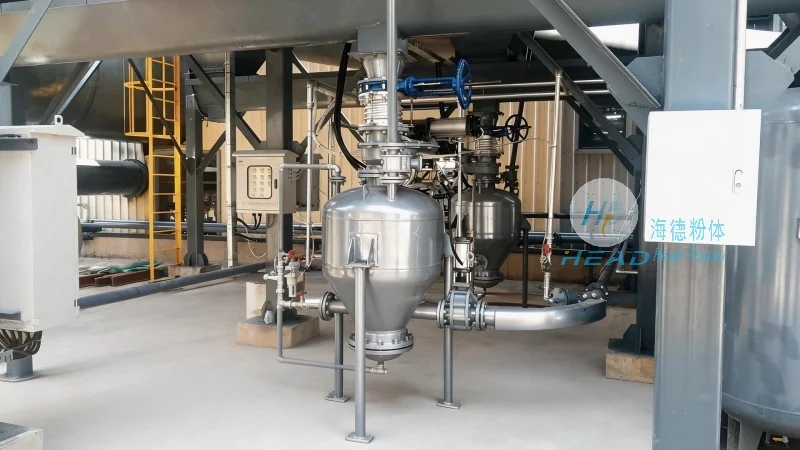
1. Air-to-Solid Ratio (ASR)
The air-to-solid ratio is a fundamental parameter that determines the velocity of the material in the pipeline. A higher ASR means more air is used relative to the amount of material, which increases the conveying velocity and reduces the likelihood of material settling. For dry materials with low bulk density or high flowability, a higher ASR is typically recommended. Conversely, for materials with high bulk density or poor flow characteristics, a lower ASR may be necessary to maintain sufficient air velocity without excessive energy consumption. Proper calculation of the ASR is essential to ensure the material is conveyed at an optimal speed, preventing accumulation and blockages.
2. Pipeline Diameter and Length
The diameter of the conveying pipeline is directly related to the pressure drop and the ability of the material to flow. Larger diameter pipelines generally result in lower pressure drops, which reduces the risk of material clogging. However, excessively large diameters can increase system costs and energy consumption. The length of the pipeline also plays a role, as longer runs may require additional air boosters or larger diameter sections to maintain adequate velocity. Designers must balance pipeline diameter and length based on the material's flow properties and the system's overall layout. For example, in systems handling fine powders, a slightly larger diameter may be necessary to prevent particle segregation and blockages caused by air turbulence.
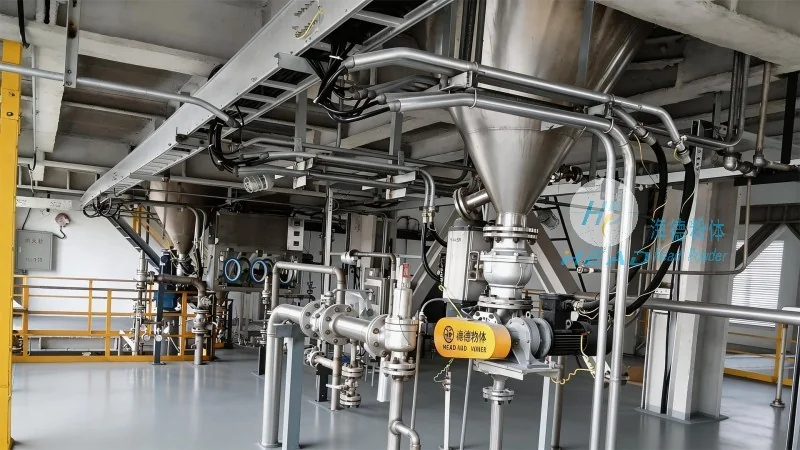
3. Material Properties and Flowability
The physical characteristics of the dry material, such as particle size, shape, moisture content, and bulk density, significantly impact the risk of blockages. Materials with high moisture content tend to clump together, forming solid plugs that can obstruct the pipeline. Similarly, materials with irregular shapes or high friction coefficients may experience increased resistance to flow, leading to blockages. To mitigate these issues, it is essential to analyze the material's flowability using tests like the Jenike shear test or the Carr's compressibility index. Based on the results, adjustments can be made to the system design, such as adding a drying step or incorporating a de-agglomerating device to improve material flowability and reduce blockage risk.
4. Air Velocity and Pressure Drop
Air velocity within the pipeline is a critical factor in preventing blockages. Insufficient air velocity can cause the material to settle and accumulate, while excessive velocity may lead to material degradation or increased energy costs. The optimal air velocity is typically determined by the material's terminal velocity and the desired conveying capacity. Designers use formulas and empirical data to calculate the required air velocity, ensuring it is high enough to keep the material suspended but not so high that it causes excessive wear on the pipeline or equipment. Additionally, monitoring pressure drop along the pipeline is important, as significant pressure drops can indicate blockages or other issues that need to be addressed. Regular pressure drop measurements help identify potential problems early and allow for timely adjustments to the system.
5. System Configuration and Control
The overall configuration of the pneumatic conveying system, including the type of conveying (e.g., dilute-phase or dense-phase), the presence of air boosters, and the control mechanisms, plays a vital role in preventing blockages. Dilute-phase systems, which use high ASR and low material concentration, are generally less prone to blockages compared to dense-phase systems, which operate at higher material concentrations. However, dense-phase systems are often used for materials that are difficult to convey in dilute-phase, such as cohesive powders. In such cases, incorporating pulse or rotary airlock valves can help maintain consistent material flow and prevent blockages. Furthermore, implementing automated control systems that monitor and adjust air pressure, flow rate, and material feed rate in real-time can enhance system stability and reduce the risk of blockages. These controls can detect changes in pressure or flow and respond quickly to prevent the formation of plugs.
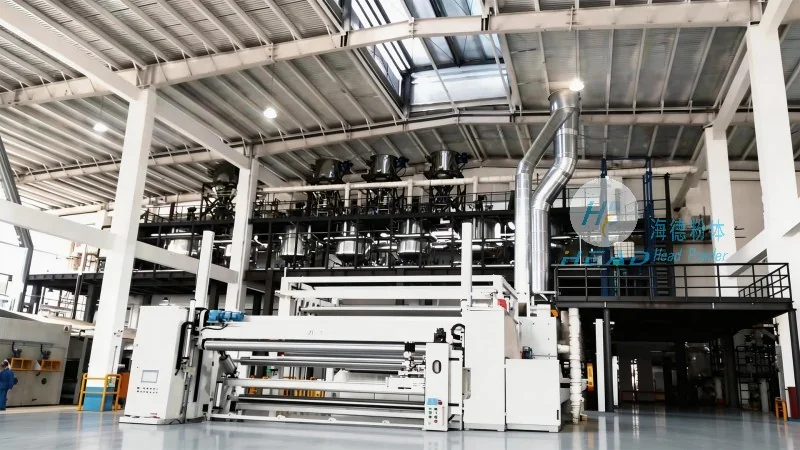
Implementing Best Practices for System Reliability
While design parameters are crucial, the effective implementation of best practices is equally important in preventing pipeline blockages. Regular maintenance and system monitoring are essential to ensure that all components are functioning as intended. This includes checking for wear and tear on pipeline fittings, ensuring that air filters are clean and properly maintained, and verifying that material feeders are operating correctly. Additionally, conducting periodic system audits can help identify potential issues before they lead to blockages. For example, analyzing the pressure drop data over time can reveal trends that indicate the onset of blockage formation, allowing for proactive maintenance. By combining proper design with diligent maintenance and monitoring, industries can significantly reduce the risk of pipeline blockages and improve the overall efficiency of their pneumatic conveying systems.
Conclusion
Preventing pipeline blockages in pneumatic conveying systems for dry materials requires a comprehensive approach that considers multiple design parameters and operational factors. By optimizing the air-to-solid ratio, selecting appropriate pipeline dimensions, understanding material flow properties, managing air velocity and pressure drop, and implementing effective system controls, industries can enhance the reliability and performance of their conveying systems. For companies seeking expert guidance in designing and implementing such systems, Shandong HeadPowder Engineering Co., Ltd., a leading provider of pneumatic conveying solutions, offers tailored services to address the unique challenges of dry material handling. With a focus on innovation and customer satisfaction, HeadPowder helps businesses achieve efficient, blockage-free material transport, ensuring smooth operations and reduced downtime. Based in Shandong, China, HeadPowder leverages years of experience to deliver high-quality engineering solutions that meet the specific needs of various industries, including food, pharmaceuticals, chemicals, and minerals.




