When it comes to transporting perlite—a lightweight, volcanic glass material used in construction, horticulture, and industrial applications—choosing the right pneumatic conveying method is crucial. The two primary options are positive pressure and negative pressure systems. Understanding the differences between these approaches is essential for optimizing efficiency, cost-effectiveness, and operational safety. This article explores the key factors that influence the selection of positive or negative pressure for perlite pneumatic conveying, providing insights into how to make an informed decision.
Understanding Positive Pressure Pneumatic Conveying
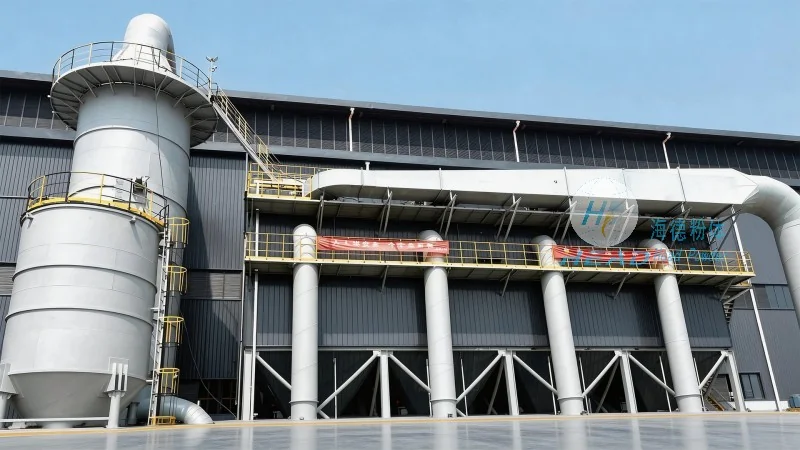
Positive pressure systems operate by blowing air or gas into the conveying line, creating a pressure higher than the ambient air pressure. This method pushes the material forward through the pipeline. For perlite, positive pressure is often preferred when dealing with long distances, multiple transfer points, or when the material needs to be delivered to elevated locations. The high-pressure air ensures consistent material flow and can handle abrasive or fine particles like perlite effectively. Companies like Shandong HeadPowder Engineering Co., Ltd. specialize in designing and manufacturing positive pressure conveying systems tailored to the unique properties of perlite, ensuring reliable performance in demanding applications.
Key Advantages of Positive Pressure for Perlite
Positive pressure systems offer several advantages for perlite pneumatic conveying. Firstly, they provide excellent control over material flow, allowing for precise regulation of velocity and pressure. This is particularly important when transporting fine perlite, as it prevents clogging and ensures uniform distribution. Secondly, positive pressure is ideal for long-distance transport, as the high-pressure air maintains the material's momentum over extended pipelines. Additionally, these systems are well-suited for applications where the material needs to be discharged at a higher elevation, such as in silos or storage tanks. The robust design of positive pressure equipment from Shandong HeadPowder Engineering Co., Ltd. ensures durability and minimal maintenance, contributing to long-term operational efficiency.
Exploring Negative Pressure Pneumatic Conveying
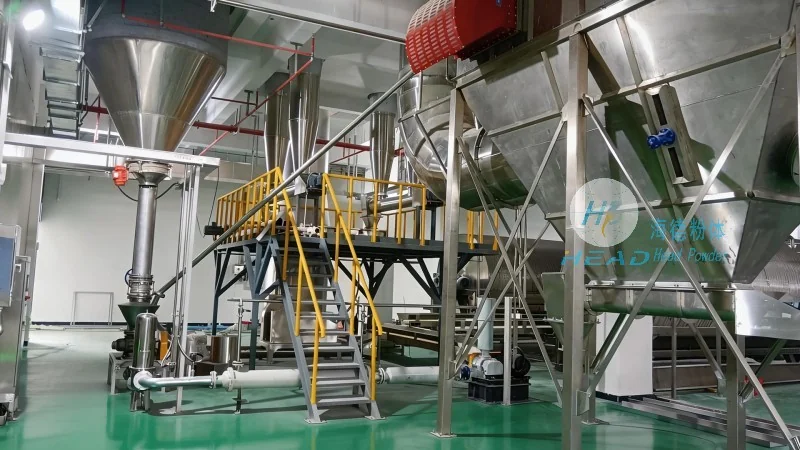
Negative pressure systems, also known as vacuum or suction systems, work by creating a vacuum in the conveying line, drawing the material and air into the system. This method is often used for shorter distances or when the material needs to be collected from a single source and transported to a central location. Negative pressure is particularly effective for handling lighter materials like perlite, as the vacuum can easily pull the material through the pipeline without the need for high-pressure air. However, it may be less efficient for long distances or when dealing with high volumes, as the suction force diminishes over longer runs.
Advantages and Limitations of Negative Pressure for Perlite
While negative pressure systems have their benefits, they also come with limitations. One key advantage is their lower energy consumption compared to positive pressure systems, as they rely on suction rather than high-pressure air. This can result in cost savings for short-distance applications. However, negative pressure may struggle with abrasive or fine perlite particles, as the vacuum can cause material buildup or clogging in the suction line. Additionally, the system's performance is highly dependent on the initial vacuum level, which can be affected by factors like pipeline length and material density. Shandong HeadPowder Engineering Co., Ltd. offers negative pressure conveying solutions that address these challenges, using advanced suction technology to ensure reliable operation for perlite transport.
How to Differentiate Between Positive and Negative Pressure Systems
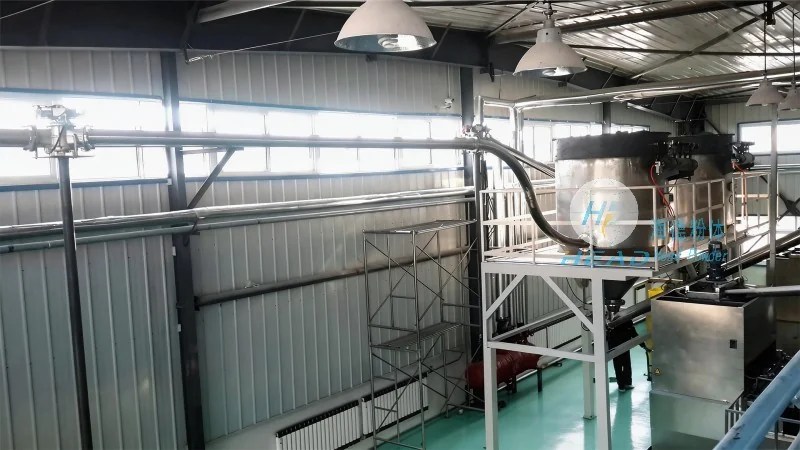
Distinguishing between positive and negative pressure pneumatic conveying systems for perlite involves evaluating several critical factors. The first consideration is the distance and layout of the conveying line. Positive pressure is generally preferred for longer distances or complex layouts with multiple transfer points, as it maintains consistent pressure and material flow. Negative pressure is more suitable for shorter distances or when the material is collected from a single source and transported to a central point. Another key factor is the material's properties, such as particle size, density, and abrasiveness. Fine or lightweight perlite may perform better with negative pressure due to the ease of suction, while coarse or abrasive perlite may require the higher pressure of positive systems. Operational requirements, such as the need for elevated discharge or precise flow control, also play a role in the decision. For example, if the perlite needs to be discharged into a silo at a higher level, positive pressure is often the better choice due to its ability to push material upward with sufficient force. Ultimately, the choice between positive and negative pressure depends on a combination of these factors, and consulting with experts like Shandong HeadPowder Engineering Co., Ltd. can help identify the most suitable system for specific perlite conveying needs.
Conclusion: Making the Right Choice for Perlite Pneumatic Conveying
Choosing between positive and negative pressure for perlite pneumatic conveying requires a thorough understanding of the system's capabilities and the material's characteristics. Positive pressure systems offer robustness and control for long-distance or complex applications, while negative pressure systems provide efficiency for shorter distances and lighter materials. By evaluating factors such as distance, material properties, and operational requirements, businesses can select the most appropriate system to optimize their perlite transport operations. Shandong HeadPowder Engineering Co., Ltd. specializes in providing tailored pneumatic conveying solutions that address the unique challenges of perlite, ensuring reliable and efficient material handling. Whether you opt for positive or negative pressure, the right system can significantly enhance productivity and reduce operational costs in perlite processing and distribution.




