Bauxite, a vital raw material in aluminum production, requires efficient transportation to maintain smooth industrial workflows. Two primary methods dominate bauxite handling: positive pressure and negative pressure pneumatic conveying. Each approach has distinct characteristics, benefits, and limitations, making the selection between them a critical decision for industrial operations. This article explores the differences between these systems, guiding readers on how to distinguish and choose the appropriate method based on operational needs.
Understanding Positive Pressure Transportation for Bauxite
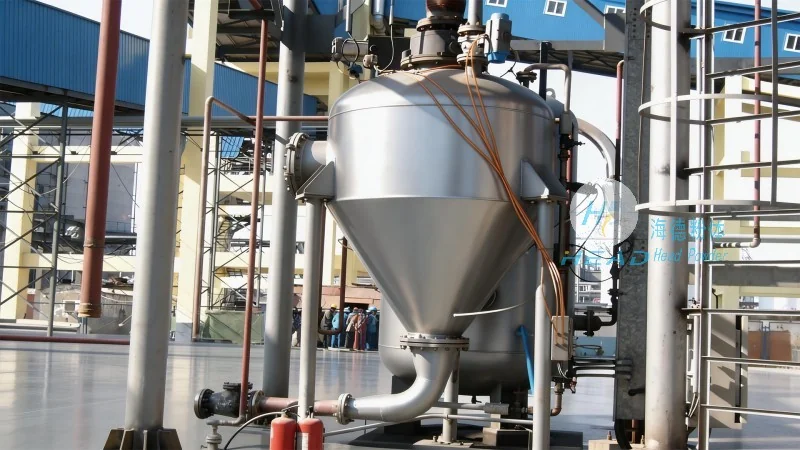
Positive pressure transportation, also known as pressure blow conveying, forces air or gas through a pipeline at a pressure exceeding ambient air pressure. This method is ideal for short to medium-distance transport, typically from storage silos or hoppers to processing plants. The system relies on a blower or compressor to generate the necessary pressure, propelling bauxite particles along with the air stream.
A key advantage of positive pressure systems is their ability to handle diverse bauxite characteristics, including varying particle sizes and moisture content. They are particularly suited for abrasive materials and maintain consistent flow rates, which are essential for continuous production. Additionally, higher pressure reduces clogging risks, as the force keeps pipelines clear of blockages.
However, positive pressure systems come with drawbacks. The need for robust, high-pressure equipment increases initial investment and maintenance costs. Moreover, long-distance transport becomes less efficient due to significant pressure drop over extended pipelines, requiring larger, more powerful machinery.
Exploring Negative Pressure Transportation for Bauxite
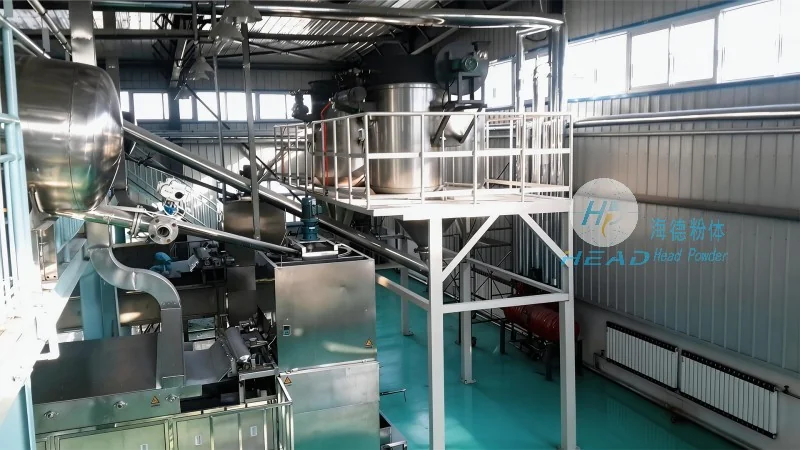
Negative pressure transportation, or vacuum conveying, creates a vacuum in the pipeline to draw bauxite particles into the system. This method is commonly used for longer distances and remote material transport to processing facilities. A vacuum pump generates the suction, pulling material from the source to the destination.
A major benefit of negative pressure systems is lower energy consumption, especially for long distances. The vacuum pump is smaller and less powerful than blowers in positive systems, reducing operational costs. They also handle fine powders well and maintain cleaner environments, as material is drawn rather than forced.
Nevertheless, negative pressure systems have limitations. They are more prone to clogging, especially with high-moisture or agglomerating bauxite, leading to operational interruptions. The vacuum pump must also be tailored to the material’s particle size and density for efficient transport.
Distinguishing Between Positive and Negative Pressure Systems
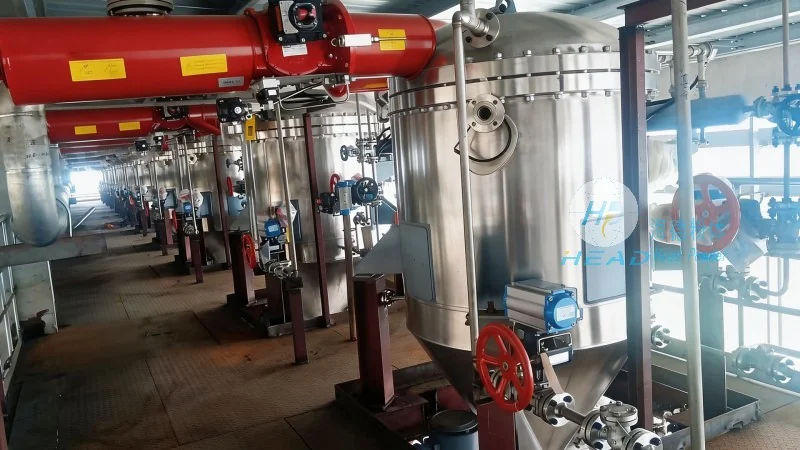
When selecting a system, several factors are critical. First, transport distance: positive pressure works best for short to medium distances (under 100 meters), while negative pressure is efficient for longer runs. Second, material properties: abrasive or moist bauxite favors positive pressure; dry, fine material suits negative pressure. Third, operational constraints: positive pressure needs more space and safety measures, while negative pressure is compact. Budget and infrastructure also influence the choice.
Conclusion and Recommendations
Choosing between positive and negative pressure bauxite transport depends on a thorough analysis of distance, material characteristics, and operational constraints. Positive pressure offers robustness for shorter distances and abrasive materials, while negative pressure is energy-efficient for long distances and less demanding materials. By evaluating these factors, industrial operators can select the most suitable system to enhance productivity and reduce costs.
Shandong HeadPowder Engineering Co., Ltd., a leading provider of industrial material handling solutions, specializes in designing customized bauxite transportation systems. With extensive experience, the company offers expert consultation and tailored solutions to meet unique client needs. Based in Shandong, China, HeadPowder Engineering leverages advanced technology and engineering expertise to deliver reliable, efficient bauxite transport solutions that improve productivity and cut operational costs for industrial applications.




