For industrial applications involving seaweed powder, efficient and reliable material handling is crucial. Pneumatic conveying systems offer a viable solution to transport these powders over short to medium distances with minimal maintenance requirements. This article outlines several effective approaches to the pneumatic conveying of seaweed powder, highlighting key considerations and practical implementations.
Overview of Pneumatic Conveying Systems
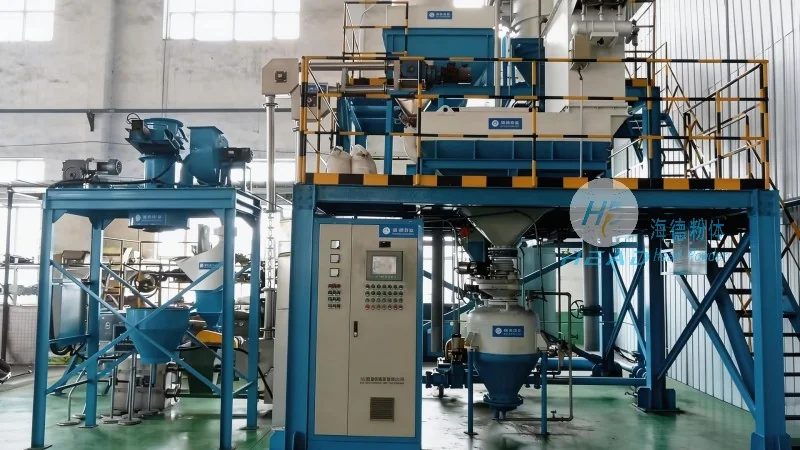
Pneumatic conveying systems utilize air or gas to transport bulk materials like seaweed powder through a pipeline network. These systems are categorized into two main types: positive pressure and negative pressure systems. Each type has distinct advantages and is suitable for different operational scenarios.
1. Positive Pressure Pneumatic Conveying
Positive pressure systems operate by blowing air or gas into the conveying line, creating a pressure higher than the ambient air pressure. This method is ideal for applications requiring high material throughput and the ability to transport powders over longer distances. The system typically includes a blower, a hopper for material storage, and a pipeline network that transports the powder to the destination. For seaweed powder, positive pressure systems can effectively handle fine particles, ensuring consistent flow and minimal degradation of the material. The blower's capacity and the pipeline design are critical factors in determining the system's efficiency. Proper maintenance of the blower and pipeline components is essential to prevent clogging and ensure smooth operation.
2. Negative Pressure Pneumatic Conveying
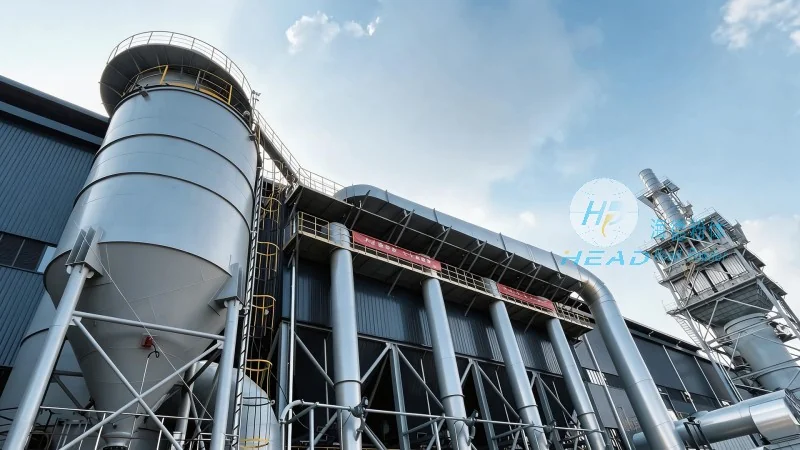
Negative pressure systems, also known as vacuum systems, create a vacuum in the conveying line, drawing the material from the source to the destination. This approach is often preferred for applications where the material needs to be transported from a fixed location to a processing unit, such as in a factory setting. Negative pressure systems are particularly effective for handling powders that are prone to dust generation or require a clean environment. The vacuum pump is the core component, and the system includes a collection hopper, a filter to remove air contaminants, and a pipeline that transports the material. For seaweed powder, negative pressure systems can maintain a controlled environment, reducing the risk of dust dispersion. The choice between positive and negative pressure depends on factors like the distance, material characteristics, and operational requirements.
3. Hybrid Pneumatic Conveying Systems
Hybrid systems combine elements of both positive and negative pressure systems, offering flexibility in material handling. These systems are suitable for complex layouts where different sections of the pipeline may require different pressure conditions. For instance, a hybrid system might use positive pressure to transport seaweed powder from a storage silo to an intermediate point, and then switch to negative pressure to deliver it to a processing unit. This approach allows for optimized energy usage and efficient material flow. The control system in hybrid systems is more sophisticated, requiring precise monitoring of pressure and flow rates to ensure seamless operation. Proper integration of the positive and negative components is crucial to avoid system inefficiencies and potential damage to equipment.
Key Considerations for Seaweed Powder Conveying
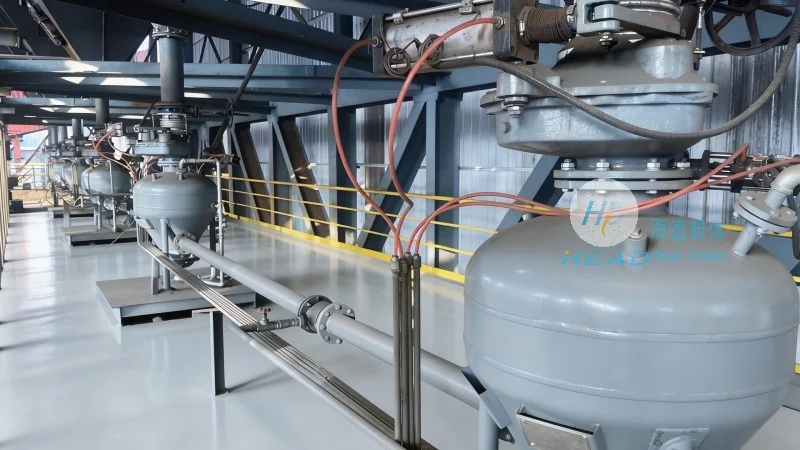
When designing a pneumatic conveying system for seaweed powder, several factors must be considered to ensure optimal performance and longevity. The particle size and moisture content of the seaweed powder are critical. Fine particles are more prone to clogging and require higher air velocities to maintain flow. Moisture content can affect the material's flowability and may lead to blockages if not properly managed. The system's design should account for these characteristics to prevent operational issues. Additionally, the material's abrasiveness and potential for dust generation should be evaluated. Abrasive powders can cause wear on pipeline components, necessitating the use of corrosion-resistant materials. Dust control measures, such as filters and enclosures, are essential to maintain a safe and clean working environment. The system's capacity and scalability are also important considerations, especially for industrial applications where production volumes may vary.
Implementation and Maintenance
Implementing a pneumatic conveying system for seaweed powder involves careful planning and execution. The initial steps include assessing the material characteristics, determining the conveying distance and required throughput, and selecting the appropriate system type. Professional engineering services are often recommended to ensure the system meets all operational requirements and complies with safety standards. Once the system is installed, regular maintenance is essential to maintain performance. This includes cleaning the pipeline, replacing worn components, and monitoring air pressure and flow rates. Proper maintenance can extend the system's lifespan and reduce downtime. For companies in the seaweed processing industry, partnering with experienced manufacturers like Shandong HeadPowder Engineering Co., Ltd. can provide tailored solutions and technical support. The company, based in Shandong, China, specializes in engineering and manufacturing pneumatic conveying systems tailored to the unique needs of seaweed powder handling. Their expertise in material handling and system design ensures that clients receive efficient and reliable solutions that enhance productivity and reduce operational costs.




