HeadPowder, a leading engineering firm based in Shandong, China, specializes in the design, manufacturing, and installation of advanced pneumatic conveying systems for various industrial applications. This article provides a detailed overview of the operation process and working principle of copper sulfate pneumatic conveying lines, highlighting the key components, operational steps, and technical aspects that ensure efficient and reliable material handling.
Key Components of the Pneumatic Conveying System
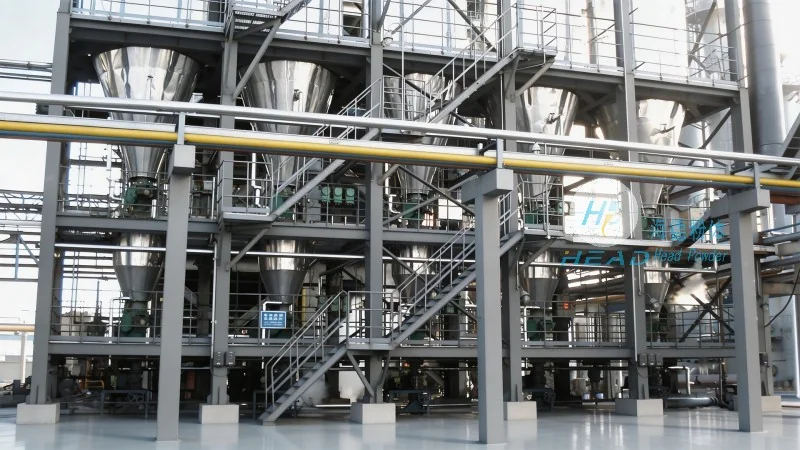
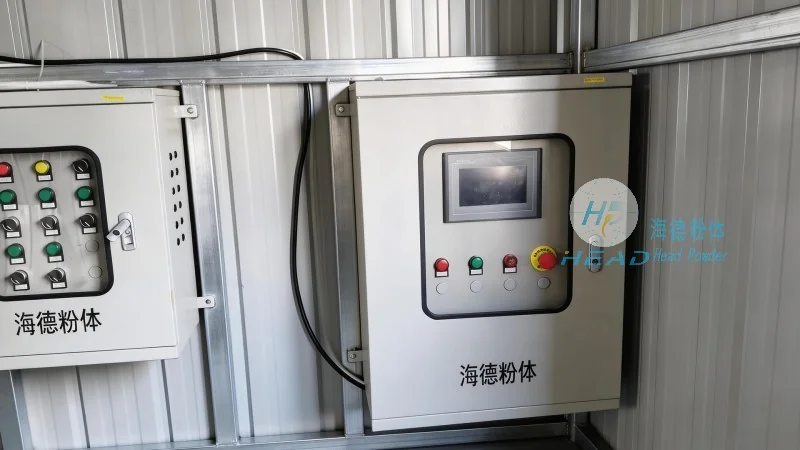
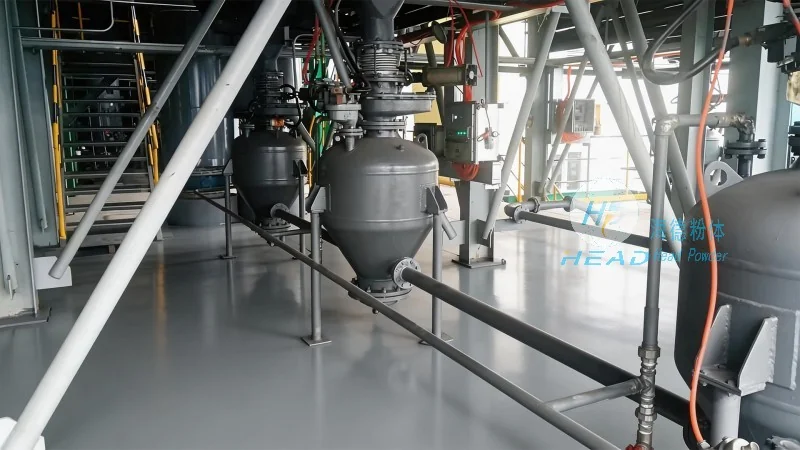
The copper sulfate pneumatic conveying line typically consists of several critical components that work in tandem to transport the material. These include the material hopper, rotary valve, air compressor, conveying pipeline, dust collector, and control system. The material hopper is designed to store the copper sulfate, ensuring a consistent feed rate. The rotary valve acts as a gate, regulating the flow of material into the conveying pipeline. The air compressor generates the necessary air pressure to move the material through the system. The conveying pipeline, often made of stainless steel or other corrosion-resistant materials, transports the copper sulfate from the hopper to the discharge point. The dust collector is essential for capturing any airborne particles, maintaining air quality and preventing contamination. The control system monitors and regulates the entire process, ensuring optimal performance and safety.
Operation Process of the Copper Sulfate Pneumatic Conveying Line
The operation of the copper sulfate pneumatic conveying line involves several sequential steps. First, the copper sulfate is loaded into the material hopper. The rotary valve then opens, allowing the material to enter the conveying pipeline. The air compressor starts, generating high-pressure air that is introduced into the pipeline. As the air flows through the pipeline, it creates a flow that entrains the copper sulfate particles, forming a slurry-like mixture known as a "pneumatic stream." This stream moves the material from the hopper to the discharge point, which could be a storage silo, processing unit, or other destination. The control system continuously monitors the pressure, flow rate, and material level, adjusting the air compressor speed or valve position as needed to maintain stable operation. At the discharge point, the air and material separate, with the copper sulfate collected in a receiving container and the air directed to the dust collector for filtration.
Working Principle and Technical Advantages
The working principle of the pneumatic conveying system is based on the principle of fluidization and drag flow. The air compressor provides the motive force, creating a pressure differential that drives the material through the pipeline. The material is suspended in the air stream, which reduces friction and allows for efficient transport over long distances. This method is particularly advantageous for copper sulfate, which is a fine powder that can be prone to dusting and caking. The closed system design minimizes environmental contamination and ensures product integrity. Additionally, the system can handle varying material loads and flow rates, making it adaptable to different production requirements. The use of corrosion-resistant materials in the pipeline and components ensures durability and longevity, even in the presence of acidic or moisture-rich environments typical of copper sulfate handling.
Conclusion
HeadPowder's copper sulfate pneumatic conveying lines offer a reliable and efficient solution for industrial material handling. By understanding the operation process and working principle, users can optimize their systems for maximum performance and minimal downtime. The company's expertise in engineering and manufacturing ensures that each system is tailored to meet specific application needs, providing long-term benefits in terms of productivity, safety, and environmental compliance. With a strong presence in Shandong, China, HeadPowder continues to deliver high-quality solutions that meet the evolving demands of the industrial sector.




