HeadPowder, a leading enterprise in the field of material handling systems, specializes in the design, manufacturing, and installation of pneumatic conveying lines tailored for battery positive electrode materials. Based in Shandong, China, the company leverages advanced engineering and technical expertise to deliver efficient and reliable solutions for the transportation of these critical components in the battery manufacturing industry.
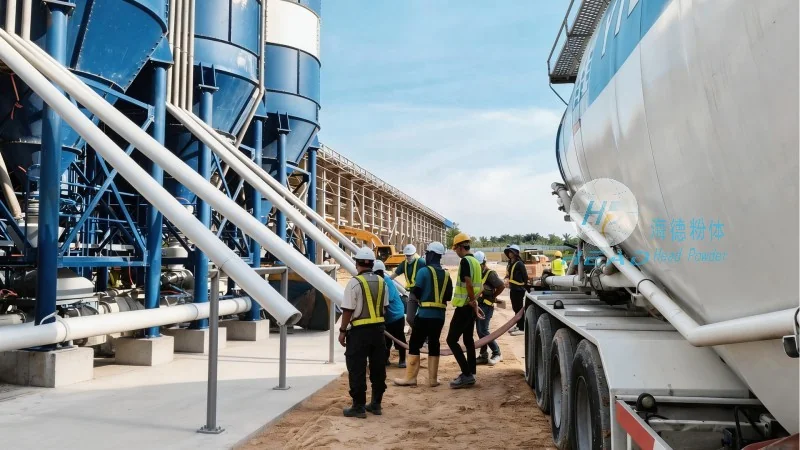
Overview of Pneumatic Conveying Technology
Pneumatic conveying systems utilize air or gas to transport bulk materials, such as battery positive electrode powders, through a network of pipes and components. This method offers several advantages over traditional mechanical conveying, including reduced contamination, lower maintenance requirements, and the ability to handle materials with high moisture content or sensitivity. The core components of a pneumatic conveying line typically include a material hopper, a rotary valve, a conveying pipe system, a filter and dust collector, and a discharge outlet. Each component plays a crucial role in ensuring the smooth and efficient operation of the system.
Key Components and Their Functions
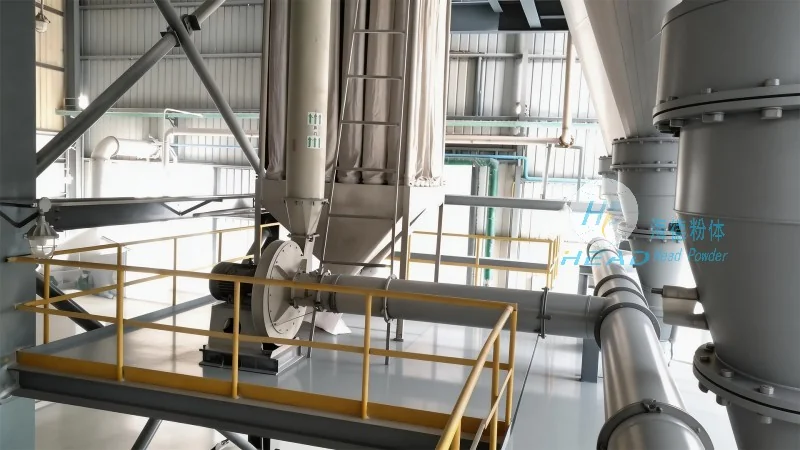
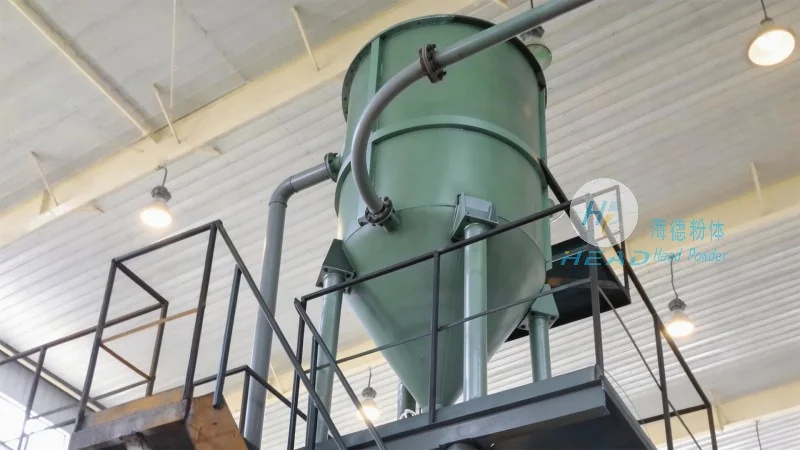
The material hopper serves as the storage and feeding unit, holding the battery positive electrode material and controlling the flow rate through a rotary valve. The rotary valve acts as a gate, regulating the amount of material released into the conveying pipe, preventing backflow and maintaining consistent material feed. The conveying pipe system, often made of stainless steel or other corrosion-resistant materials, transports the material under pressure. The filter and dust collector are essential for capturing fine particles and ensuring compliance with environmental regulations, while the discharge outlet delivers the material to the next processing stage. Proper selection and integration of these components are vital for the optimal performance of the pneumatic conveying line.
Operation Process of the Pneumatic Conveying Line
The operation of a pneumatic conveying line for battery positive electrode materials typically follows a sequential process. First, the material is loaded into the hopper from a storage silo or batch container. The rotary valve then opens to allow a controlled amount of material to enter the conveying pipe. Simultaneously, a fan or blower generates the necessary air pressure to move the material through the pipe system. As the material travels, it is mixed with the air stream, forming a slurry or suspension that is propelled to the discharge point. The filter and dust collector continuously remove any fine particles from the air stream, ensuring clean air release and preventing material loss. The discharged material is then transferred to the next stage of the battery manufacturing process, such as mixing or coating. This process is repeated continuously to maintain a steady flow of material, with the system automatically adjusting to variations in feed rate or pressure.
Working Principle of the System
The working principle of the pneumatic conveying line is based on the principles of fluid dynamics and material transport. The system operates by creating a pressure differential between the hopper and the discharge point. The fan or blower generates a high-pressure air stream that entrains the material particles, lifting them from the hopper and moving them through the pipe. The velocity of the air stream is critical; it must be sufficient to overcome the gravitational force of the material and the friction within the pipe. The system can operate in either positive pressure or negative pressure modes. In positive pressure systems, the conveying pipe is under higher pressure than the surrounding environment, pushing the material forward. In negative pressure systems, the pipe is under lower pressure, creating a vacuum that pulls the material. For battery positive electrode materials, positive pressure systems are commonly used due to their ability to handle abrasive materials and prevent contamination from external air. The efficiency of the system depends on factors such as the material's density, particle size, and moisture content, as well as the design of the conveying pipe and the air flow rate.
Advantages and Applications
Pneumatic conveying lines for battery positive electrode materials offer numerous advantages over other conveying methods. These include minimal material degradation, as the system operates in a closed environment, preventing exposure to air and moisture. The closed system also reduces dust emissions, improving workplace safety and environmental compliance. Additionally, the system is flexible and can be easily integrated into existing battery manufacturing lines, allowing for modifications and expansions as production needs change. HeadPowder's pneumatic conveying lines are designed to handle a wide range of battery positive electrode materials, including lithium cobalt oxide (LCO), lithium iron phosphate (LFP), and nickel manganese cobalt oxide (NMC), among others. The company's expertise in material handling ensures that the systems are tailored to the specific requirements of each client, providing customized solutions that enhance productivity and reduce operational costs.
Maintenance and Operational Considerations
Proper maintenance is essential to ensure the long-term reliability and efficiency of a pneumatic conveying line. Regular inspections of the hopper, rotary valve, and conveying pipe for wear and tear are necessary to prevent material blockages or system failures. The filter and dust collector should be cleaned or replaced regularly to maintain optimal performance and prevent clogging. Additionally, monitoring the air pressure and flow rate is crucial for identifying any issues early on. HeadPowder provides comprehensive maintenance services to its clients, including on-site inspections, component replacement, and system optimization. By adhering to a regular maintenance schedule, battery manufacturers can minimize downtime and maximize the lifespan of their pneumatic conveying systems.




