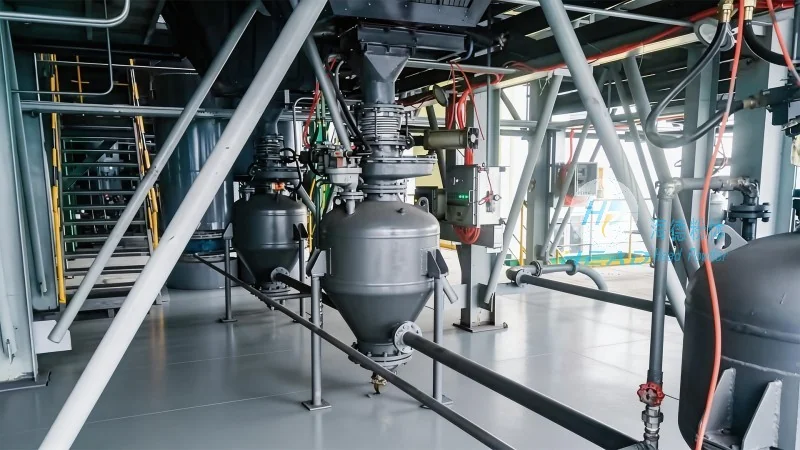
Understanding the operation process and working principle of dilute phase pneumatic conveying systems is crucial for optimizing material handling efficiency in various industrial applications. These systems are widely used for transporting bulk materials such as powders, granules, and fine particles over long distances with minimal equipment wear and operational complexity.
Introduction to Dilute Phase Pneumatic Conveying
Dilute phase pneumatic conveying systems operate by transporting solid particles suspended in a high-velocity air stream. Unlike dense phase systems that use lower air velocities and higher pressure, dilute phase systems rely on air flow rates that keep the material in a suspended state, ensuring smooth and continuous material movement. This method is particularly effective for materials that are free-flowing and non-abrasive, making it a preferred choice in industries like pharmaceuticals, food processing, and chemical manufacturing.
Key Components of a Dilute Phase Pneumatic Conveying System
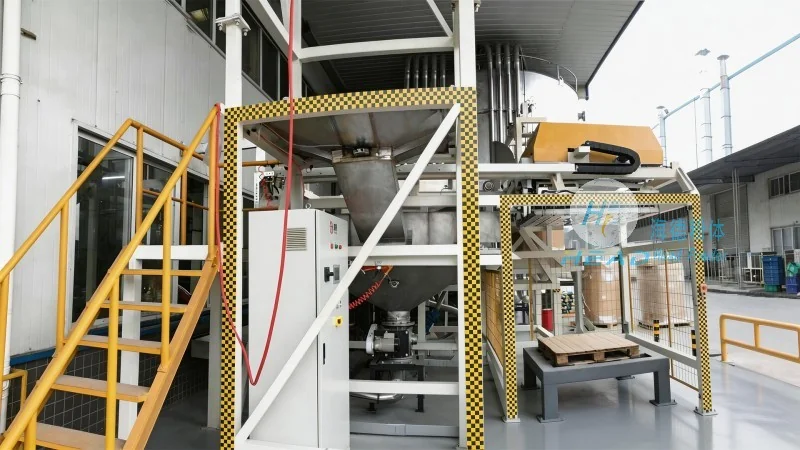
The core components of a dilute phase pneumatic conveying system include the material feed hopper, the air supply system (typically a blower or compressor), the conveying line, and the discharge unit. Each component plays a vital role in ensuring the system functions efficiently and reliably. The material feed hopper is designed to store and meter the bulk material, while the air supply system generates the necessary pressure and airflow to transport the material through the conveying line. The conveying line, usually made of stainless steel or other corrosion-resistant materials, ensures the material is suspended and transported without clogging. The discharge unit, such as a rotary valve or a dust collector, collects the material at the end of the conveying line, preventing dust emissions and maintaining a clean working environment.
The Operation Process of Dilute Phase Pneumatic Conveying
The operation process of a dilute phase pneumatic conveying system involves several sequential steps that ensure the smooth transport of materials. First, the bulk material is fed into the material hopper from a storage silo or a batch container. The material is then metered and introduced into the conveying line through a feeder, such as a rotary valve or a star feeder, which controls the flow rate of the material. Simultaneously, the air supply system generates a high-velocity air stream that enters the conveying line at the inlet. The air stream, moving at speeds typically between 20 to 40 meters per second, lifts the material particles and suspends them in the air stream. As the material-air mixture travels through the conveying line, it maintains a dilute phase, meaning the material particles are evenly distributed and not compacted. The conveying line is usually straight or slightly inclined to facilitate the movement of the material-air mixture. At the discharge end, the material is separated from the air stream using a cyclone separator or a filter, and the material is collected in a receiving hopper or a storage bin. The air, now containing any residual dust or particles, is then filtered and discharged through a dust collector, ensuring compliance with environmental regulations.
Working Principle of Dilute Phase Pneumatic Conveying
The working principle of dilute phase pneumatic conveying is based on the principles of fluid dynamics and particle suspension. The system operates by creating a high-velocity air stream that provides sufficient kinetic energy to lift and transport the solid particles. The key to maintaining a dilute phase is the balance between the air velocity and the particle size and density. If the air velocity is too low, the particles will settle and cause clogging in the conveying line. Conversely, if the air velocity is too high, the system may experience excessive energy consumption and increased wear on the equipment. The system also relies on the Bernoulli principle, where the pressure drop along the conveying line is used to maintain the air flow and particle suspension. The pressure drop is typically maintained at a level that ensures the material-air mixture moves continuously without stagnation. Additionally, the system may incorporate features such as pulse jets or airlocks to prevent material buildup and ensure consistent operation.
Advantages and Applications of Dilute Phase Pneumatic Conveying
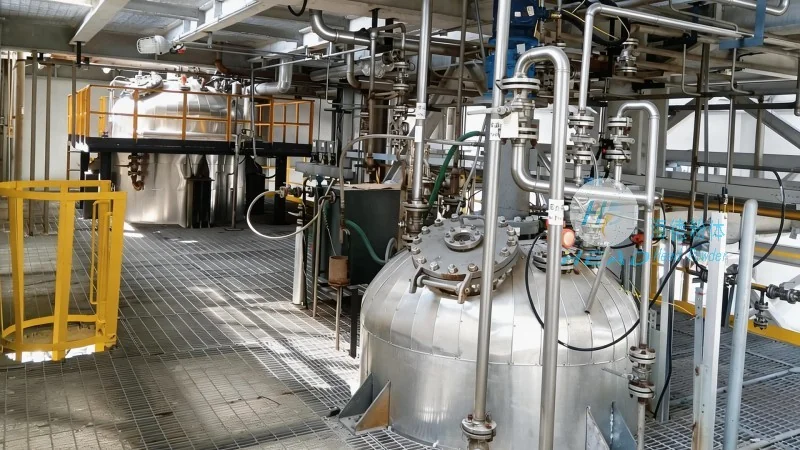
Dilute phase pneumatic conveying systems offer several advantages over other material handling methods, including low maintenance costs, minimal equipment wear, and the ability to transport materials over long distances. The system is also suitable for handling materials that are sensitive to moisture or contamination, as the enclosed conveying line prevents exposure to the environment. The advantages of this system make it ideal for applications in pharmaceutical manufacturing, where the material must be handled in a sterile environment, and in food processing, where the material must be kept clean and free from contaminants. Other applications include chemical processing, where the system can transport reactive materials safely, and in mining and mineral processing, where the system can transport bulk minerals over long distances with high efficiency.
Conclusion and Company Overview
In conclusion, dilute phase pneumatic conveying systems are an efficient and reliable method for transporting bulk materials in various industrial applications. The operation process involves the coordinated action of several components, including the material feed hopper, air supply system, conveying line, and discharge unit, working together to maintain a dilute phase and ensure smooth material transport. The working principle is based on fluid dynamics and particle suspension, which allows the system to transport materials over long distances with minimal energy consumption and equipment wear. The advantages of this system, including low maintenance costs and the ability to handle sensitive materials, make it a preferred choice in industries such as pharmaceuticals, food processing, and chemical manufacturing.
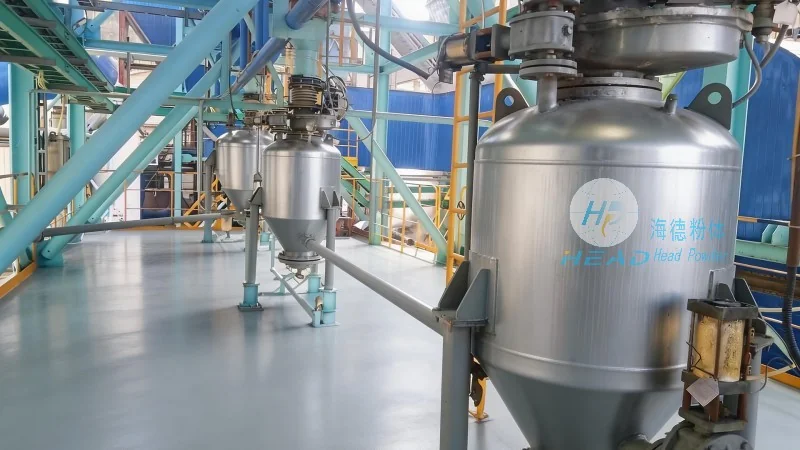
Shandong HeadPowder Engineering Co., Ltd., a leading manufacturer of pneumatic conveying systems, specializes in providing customized solutions for various industrial applications. With a focus on quality and innovation, the company offers a range of dilute phase pneumatic conveying systems that meet the specific needs of its clients. HeadPowder's systems are designed to ensure efficient material handling, minimal environmental impact, and high operational reliability. The company's commitment to customer satisfaction and technical excellence has made it a trusted partner for businesses looking to optimize their material transport processes. Based in Shandong, China, HeadPowder leverages its expertise and experience to deliver top-quality pneumatic conveying solutions that enhance productivity and reduce operational costs for its clients.




