HeadPowder, a leading manufacturer in the field of material handling solutions, specializes in the design, development, and implementation of advanced pneumatic conveying systems. This article provides a detailed overview of the operation process and working principle of a nanoparticle calcium carbonate pneumatic conveying line, highlighting the technical aspects and operational efficiency of such systems.
Introduction to Nanoparticle Calcium Carbonate Pneumatic Conveying
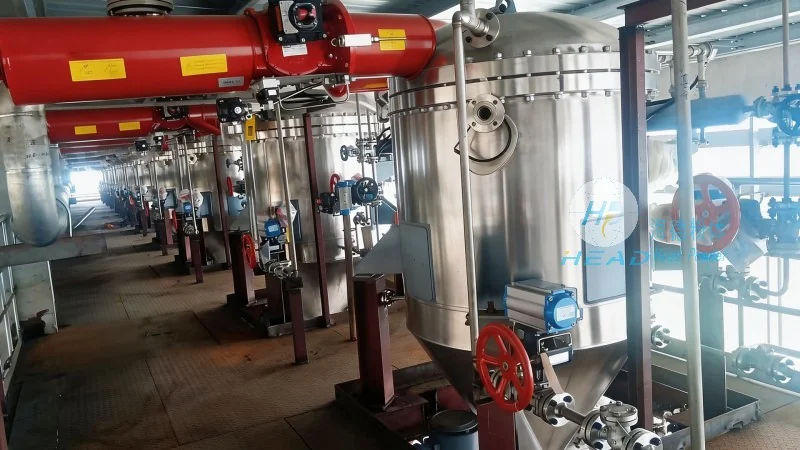
Nanoparticle calcium carbonate (nCC) is a widely used industrial material in various sectors, including plastics, coatings, and paper manufacturing. Its fine particle size and high surface area make it essential for many applications, but its handling presents unique challenges. Traditional methods like bulk handling or manual loading can be inefficient and pose safety risks. Pneumatic conveying offers a solution by transporting the material through a pressurized air system, ensuring safe, dust-free, and continuous operation.
Key Components of the Pneumatic Conveying System
The nanoparticle calcium carbonate pneumatic conveying line consists of several critical components that work in tandem to ensure efficient material transport. These components include the material hopper, air compressor, conveyor pipeline, dust collector, and control system. Each component plays a vital role in the overall operation, and their proper integration is crucial for optimal performance.
Material Hopper and Feeding Mechanism
The material hopper is the initial storage unit where nanoparticle calcium carbonate is stored before being conveyed. It is designed with a sloped bottom to facilitate smooth material flow. The feeding mechanism, typically a rotary valve or a screw feeder, regulates the flow rate of the material into the conveyor pipeline. This control ensures that the material is fed at a consistent rate, preventing blockages and maintaining system stability.
Air Compressor and Pressure Regulation
The air compressor is the heart of the pneumatic conveying system, responsible for generating the necessary pressure to move the material through the pipeline. It supplies compressed air at a pressure typically ranging from 4 to 8 bar, depending on the system design and the distance the material needs to travel. The pressure regulation system ensures that the air pressure remains stable, which is essential for consistent material transport and to prevent system overloading.
Conveyor Pipeline and Flow Control
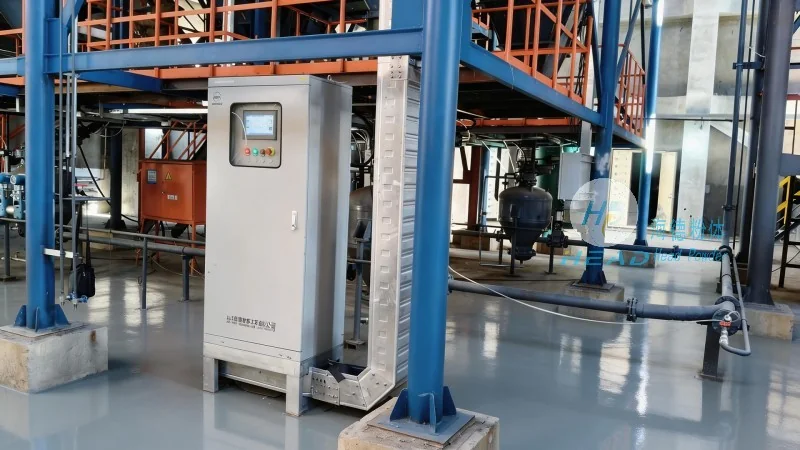
The conveyor pipeline is a network of pipes that transports the nanoparticle calcium carbonate from the hopper to the discharge point. The pipeline is usually made of stainless steel or other corrosion-resistant materials to handle the fine particles and prevent clogging. Flow control devices, such as airlocks or venturi sections, are installed along the pipeline to regulate the air flow and material velocity. These devices help maintain a uniform flow rate and prevent material deposition or blockages.
Dust Collector and Safety Measures
Due to the fine nature of nanoparticle calcium carbonate, dust generation is a common issue during handling. The system incorporates a dust collector to capture and filter the airborne particles, ensuring a clean and safe working environment. The dust collector typically uses a combination of filtration media and air purification systems to remove dust from the exhaust air. Additionally, safety measures such as explosion-proof components and emergency shut-off valves are integrated into the system to protect against potential hazards.
Control System and Automation
The control system of the pneumatic conveying line manages all operational parameters, including air pressure, material flow rate, and system status. It is equipped with sensors and monitoring devices that provide real-time data on the system's performance. Automation features allow for remote operation and monitoring, enabling operators to adjust settings and troubleshoot issues from a central control panel. This level of automation enhances operational efficiency and reduces the risk of human error.
Operation Process of the Pneumatic Conveying Line
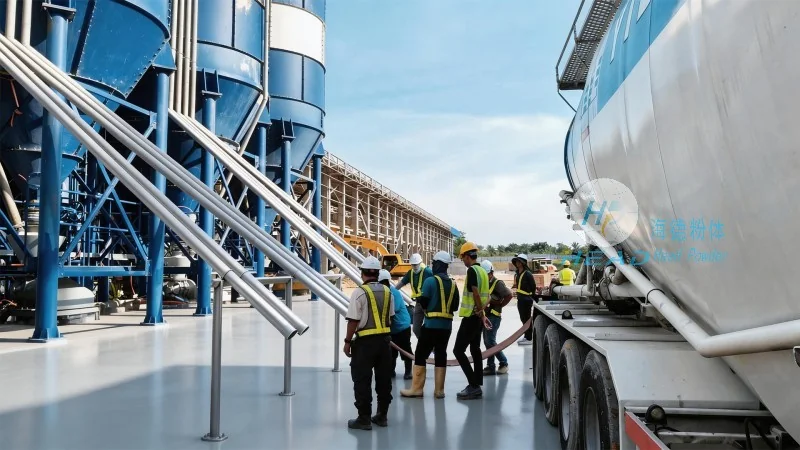
The operation of the nanoparticle calcium carbonate pneumatic conveying line follows a systematic process. First, the material is loaded into the hopper. The feeding mechanism then regulates the material flow into the conveyor pipeline. Simultaneously, the air compressor supplies compressed air, creating a pressure differential that propels the material forward. The material travels through the pipeline, passing through flow control devices and the dust collector. Finally, the material is discharged at the destination point, completing the conveying cycle. The system operates continuously, with the control system monitoring and adjusting parameters to maintain optimal performance.
Working Principle of the Pneumatic Conveying System
The working principle of the nanoparticle calcium carbonate pneumatic conveying system is based on the principle of fluidization and pneumatic transport. The compressed air creates a low-density environment within the pipeline, allowing the fine particles to be suspended and carried by the air flow. The air velocity in the pipeline is maintained above the minimum fluidization velocity, which is the speed at which the particles start to move and are transported. The system utilizes a combination of pressure and velocity to achieve efficient material transport, minimizing the risk of particle deposition and ensuring smooth operation.
Advantages of Using a Pneumatic Conveying Line for Nanoparticle Calcium Carbonate
Implementing a pneumatic conveying line for nanoparticle calcium carbonate offers several advantages over traditional handling methods. Firstly, it provides a dust-free and safe working environment, reducing the risk of respiratory issues and other health hazards. Secondly, it enables continuous and automated material transport, increasing operational efficiency and reducing labor costs. Thirdly, the system minimizes material loss and contamination, ensuring product quality. Finally, it offers flexibility in system design, allowing for customization based on specific application requirements.
Conclusion
HeadPowder's nanoparticle calcium carbonate pneumatic conveying line exemplifies advanced material handling technology. By integrating key components such as the material hopper, air compressor, conveyor pipeline, and control system, the system ensures efficient, safe, and continuous transport of nanoparticle calcium carbonate. The working principle, based on pneumatic transport and fluidization, provides a reliable solution for industries requiring high-quality material handling. With its advantages in safety, efficiency, and flexibility, this system is a valuable asset for manufacturers in the plastics, coatings, and paper industries.




