Large-scale pneumatic conveying systems are sophisticated industrial equipment designed to transport bulk materials efficiently over long distances with minimal human intervention. These systems are widely used in various industries, including food processing, pharmaceuticals, chemicals, and mining, due to their ability to handle a wide range of materials while maintaining product integrity and operational efficiency. The technology behind these systems combines pneumatic principles with mechanical engineering to create a reliable method for material handling. In this article, we will explore the operation process and working principle of such systems, highlighting the key components and the step-by-step procedures involved in their operation.
Key Components of Large-Scale Pneumatic Conveying Systems
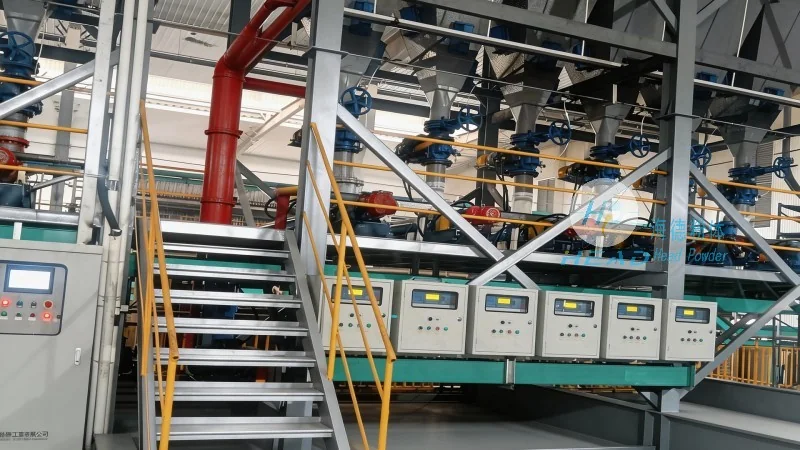
Before delving into the operation process, it is essential to understand the primary components that make up a large-scale pneumatic conveying system. These components work in tandem to ensure smooth material transport. The main parts include the material hopper, feeder, air compressor, conveying pipeline, and discharge unit. Each component plays a crucial role in the overall functionality of the system. The material hopper stores the bulk material, while the feeder regulates the flow of material into the system. The air compressor generates the necessary air pressure to move the material through the pipeline. The conveying pipeline, typically made of stainless steel or other corrosion-resistant materials, carries the material and air mixture. Finally, the discharge unit collects the material at the destination point. These components are designed to work together seamlessly, ensuring consistent performance and minimal downtime.
The Working Principle of Pneumatic Conveying
The working principle of large-scale pneumatic conveying systems is based on the fundamental concept of fluid dynamics and particle motion. The system operates by creating a pressure differential between the inlet and outlet of the conveying pipeline. When the air compressor supplies high-pressure air into the system, it creates a flow of air that entrains the material particles from the hopper. The material is then carried through the pipeline by the air stream, which can be either positive pressure (where air is forced into the system) or negative pressure (where air is drawn out of the system). The choice between positive and negative pressure depends on the application and the distance of material transport. In positive pressure systems, the air is forced into the pipeline, pushing the material forward. In negative pressure systems, the air is drawn out, creating a vacuum that pulls the material through the pipeline. The velocity of the air and the size of the particles determine the efficiency of the conveying process. Proper design of the system ensures that the air velocity is sufficient to lift and transport the material without causing excessive wear or degradation of the particles.
Operation Process of Large-Scale Pneumatic Conveying Systems
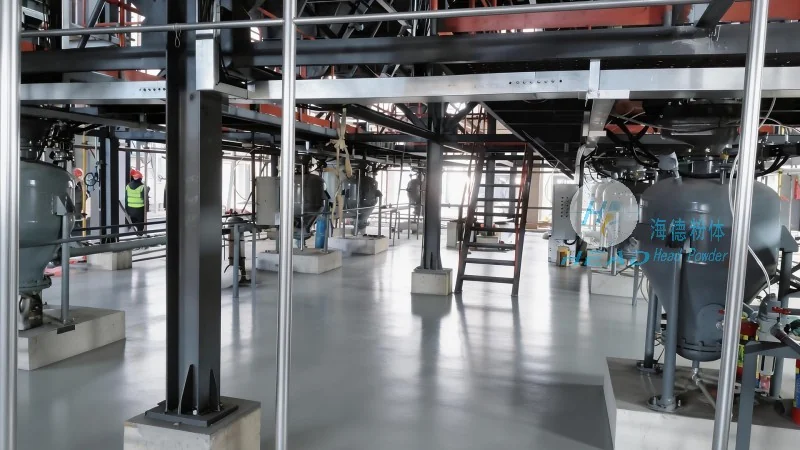
The operation process of a large-scale pneumatic conveying system involves several sequential steps that ensure the smooth and efficient transport of materials. The first step is the preparation phase, where the material is loaded into the hopper and the system is checked for any potential issues. The feeder then regulates the flow of material into the system, ensuring a consistent feed rate. The air compressor then starts, generating the required air pressure to initiate the conveying process. As the air flows through the pipeline, it entrains the material particles from the hopper, and the mixture is transported to the discharge unit. The discharge unit collects the material and may include a separator to remove any excess air or fine particles. The system continues to operate until the material in the hopper is depleted or the desired amount has been transported. The operation process is typically automated, with sensors and controls monitoring the system's performance and adjusting parameters as needed to maintain optimal operation. This automation ensures that the system operates efficiently and safely, minimizing the risk of material spillage or equipment damage.
Advantages of Large-Scale Pneumatic Conveying Systems
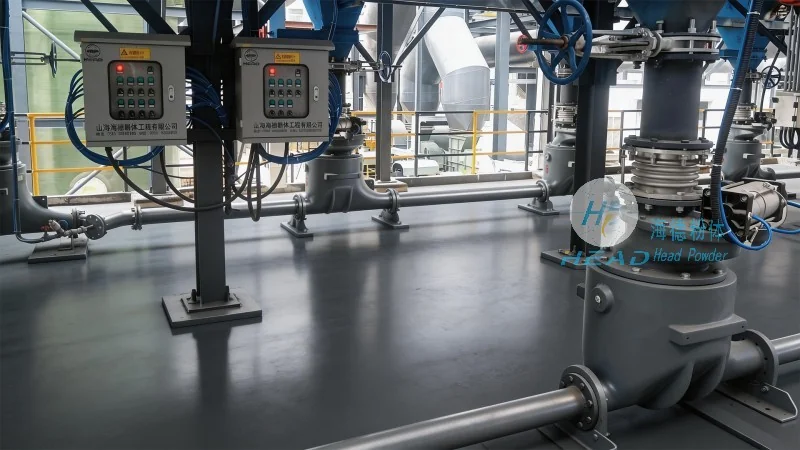
Large-scale pneumatic conveying systems offer several advantages over traditional material handling methods. One of the primary advantages is the ability to transport materials over long distances without the need for intermediate storage or handling. This reduces the risk of material contamination and spoilage, which is particularly important in industries such as food and pharmaceuticals. Additionally, these systems are highly flexible and can be easily integrated into existing production lines. They can handle a wide range of materials, including powders, granules, and bulk solids, with minimal modification to the system. The systems are also relatively compact and can be installed in confined spaces, making them suitable for various industrial settings. Furthermore, pneumatic conveying systems are energy-efficient compared to other material handling methods, as they use compressed air, which can be recycled and reused. This reduces energy consumption and operating costs over time. The systems also offer high throughput rates, allowing for increased production efficiency and reduced labor costs. Overall, the advantages of large-scale pneumatic conveying systems make them a preferred choice for many industries seeking efficient and reliable material handling solutions.
Applications and Industries
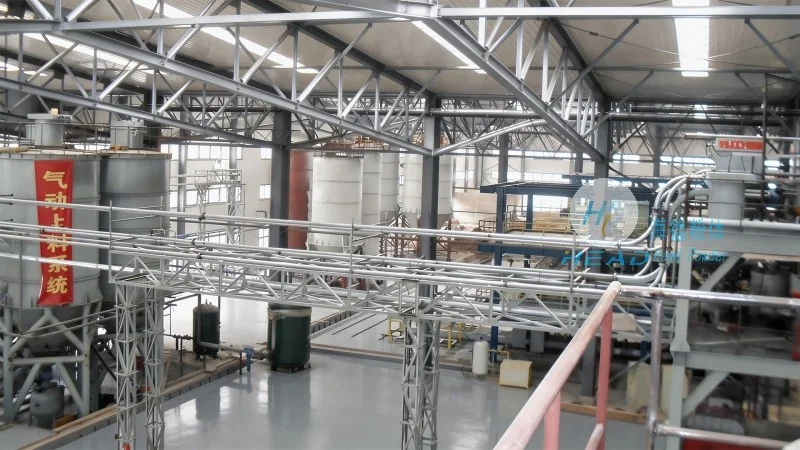
Large-scale pneumatic conveying systems are used in a variety of industries due to their versatility and efficiency. In the food industry, these systems are used to transport ingredients such as flour, sugar, and spices, ensuring that the materials remain fresh and uncontaminated. In the pharmaceutical industry, they are used to transport active pharmaceutical ingredients (APIs) and other raw materials, maintaining the purity and integrity of the products. The chemical industry uses pneumatic conveying systems to transport chemicals and other hazardous materials, ensuring safe and efficient handling. In the mining industry, these systems are used to transport ore and other minerals from the mine to processing facilities. The systems are also used in the agricultural industry to transport grains and other agricultural products. The applications of large-scale pneumatic conveying systems are diverse, and they are chosen based on the specific requirements of each industry and the properties of the materials being handled.
Conclusion and Company Overview
Large-scale pneumatic conveying systems are essential equipment in modern industrial operations, providing efficient and reliable material handling solutions. The operation process and working principle of these systems involve a combination of mechanical and pneumatic engineering, ensuring that materials are transported safely and effectively. The key components, including the material hopper, feeder, air compressor, and conveying pipeline, work together to achieve the desired results. The advantages of these systems, such as flexibility, efficiency, and minimal contamination, make them a preferred choice for many industries. As a leading manufacturer in the field, Shandong HeadPowder Engineering Co., Ltd. specializes in designing and manufacturing high-quality pneumatic conveying systems tailored to the specific needs of its clients. With a focus on innovation and quality, the company provides reliable solutions for material handling challenges across various industries. Based in Shandong, China, HeadPowder has established itself as a trusted partner for businesses seeking efficient and durable pneumatic conveying systems. The company's commitment to customer satisfaction and product excellence has made it a leader in the industry, providing top-notch solutions for material transport and processing.




