Coconut shell powder, a byproduct of coconut processing, is widely used in various industries such as food, cosmetics, and chemical manufacturing. The efficient handling and transportation of this fine powder are crucial for maintaining product quality and operational efficiency. Pneumatic conveying systems offer a solution to these challenges by utilizing air to transport the powder through pipelines, eliminating the need for traditional mechanical conveying methods like belts or buckets.
Principle of Pneumatic Conveying for Coconut Shell Powder
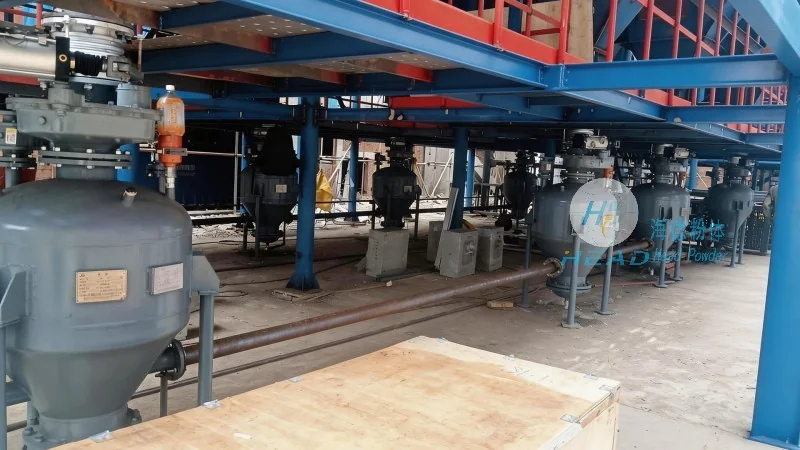
The core principle of pneumatic conveying involves the use of compressed air to create a flow that moves the powder particles. In a typical system, the powder is fed into a hopper, where it is then drawn into a pipeline by the pressure difference created by the air flow. The air velocity is carefully controlled to ensure that the powder particles are suspended and transported without causing blockages or excessive wear on the system components. This method is particularly effective for handling fine, dry powders like coconut shell powder, which are prone to caking and segregation if not handled properly.
Key Components and Their Functions
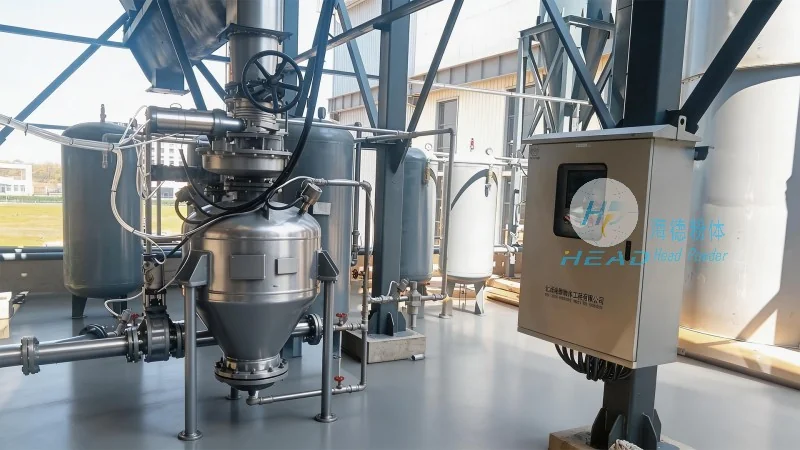
Several key components make up a pneumatic conveying system for coconut shell powder. The first is the hopper or feeder, which provides a controlled feed of the powder into the system. This component is designed to prevent material buildup and ensure a consistent flow rate. Next, the pipeline system, which can be either positive or negative pressure, transports the powder from the source to the destination. The choice between positive and negative pressure depends on the distance and layout of the conveying line. Additionally, a filter or separator is used to remove any fine particles or moisture from the air before it is released back into the environment, ensuring compliance with environmental regulations. Finally, the control system monitors and adjusts the air pressure and flow rate to maintain optimal operation.
Working Scene Characteristics and Applications
The working scene characteristics of pneumatic conveying equipment for coconut shell powder vary based on the specific application. For example, in food processing facilities, the system must meet strict hygiene standards, with components made from food-grade materials and easy-to-clean surfaces. In contrast, in chemical manufacturing plants, the system may need to handle more aggressive or corrosive materials, requiring materials like stainless steel for the pipelines and components. The flexibility of pneumatic conveying also allows it to be adapted to different production scales, from small-scale batch processing to large-scale continuous production lines.
Advantages of Using Pneumatic Conveying for Coconut Shell Powder
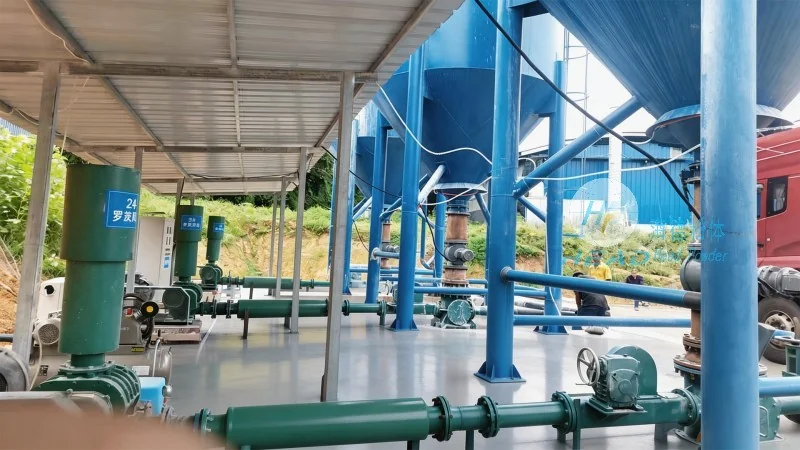
There are several advantages to using pneumatic conveying for coconut shell powder. One of the most significant is the reduction in product contamination, as the system is enclosed and does not require direct human contact with the powder. This is particularly important in industries where product purity is critical, such as food and pharmaceuticals. Another advantage is the ability to handle fine powders without causing segregation or agglomeration, which can affect the quality and consistency of the final product. Additionally, pneumatic conveying systems are generally more energy-efficient than traditional mechanical conveying methods, as they use less power to transport the same amount of material over a given distance. Finally, the system is relatively easy to install and maintain, with fewer moving parts compared to other conveying methods.
Case Study: Application in a Coconut Processing Plant
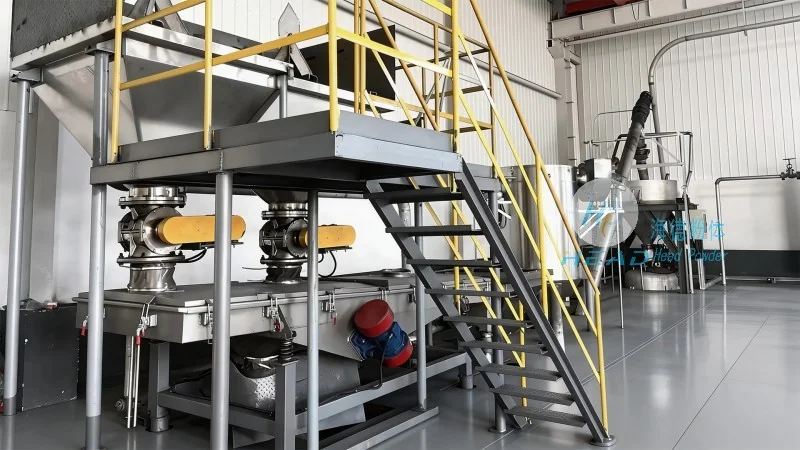
Shandong HeadPowder Engineering Co., Ltd., a leading manufacturer of pneumatic conveying equipment, has successfully implemented a coconut shell powder pneumatic conveying system in a large-scale coconut processing plant. The system was designed to transport coconut shell powder from the grinding and drying stages to the packaging area, covering a distance of over 100 meters. The system uses a positive pressure conveying method, with a hopper feeder and a series of pipelines connected to a filter and control unit. The plant reported a significant improvement in production efficiency, with a reduction in labor costs and an increase in product quality due to the consistent flow and reduced contamination. The system has also been easy to maintain, with minimal downtime due to its robust design.
Conclusion and Future Trends
Pneumatic conveying equipment for coconut shell powder offers a reliable and efficient solution for handling fine powders in various industrial applications. The system's ability to maintain product quality, reduce contamination, and improve operational efficiency makes it a preferred choice for many manufacturers. As technology advances, we can expect to see further improvements in the design and functionality of these systems, such as more energy-efficient motors and advanced control systems. However, the fundamental principles of pneumatic conveying will remain unchanged, as they continue to provide a cost-effective and reliable method for transporting materials like coconut shell powder.




