When it comes to the efficient and reliable transport of bulk materials like ferric sulfate, the choice of pneumatic conveying system can significantly impact operational performance, cost-effectiveness, and overall process safety. Two primary methods dominate the industry: positive pressure conveying and negative pressure conveying. This analysis by Shandong HeadPowder Engineering Co., Ltd. delves into the nuances of each approach, highlighting their advantages, limitations, and optimal applications.
Company Introduction
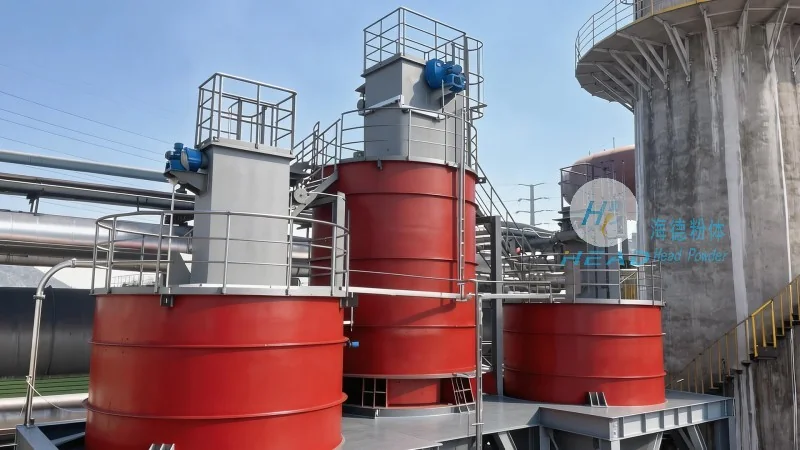
Shandong HeadPowder Engineering Co., Ltd., commonly known as HeadPowder, is a leading provider of specialized engineering solutions for material handling and processing. With a strong focus on innovation and customer-centric design, the company has established itself as a trusted partner in the chemical and industrial sectors. HeadPowder's expertise lies in developing tailored pneumatic conveying systems that meet the unique demands of various applications, ensuring optimal performance and durability.
Understanding Pneumatic Conveying Systems
Pneumatic conveying systems utilize air or gas to transport bulk materials through a pipeline network. The two main categories are positive pressure and negative pressure systems, each with distinct operational principles and characteristics. Positive pressure systems force air and material through the pipeline, while negative pressure systems draw material into the system using a vacuum.
Positive Pressure Conveying of Ferric Sulfate
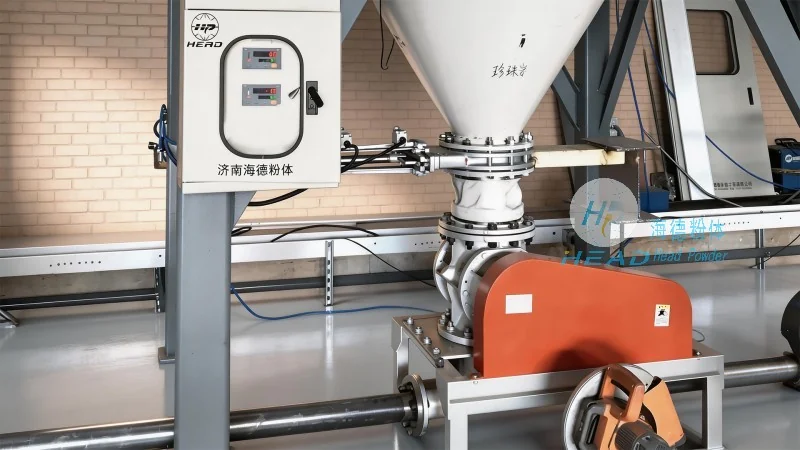
Positive pressure conveying involves blowing air or a carrier gas into the conveying line, propelling the material forward. This method is particularly effective for conveying materials over long distances or through complex network configurations. For ferric sulfate, a common industrial chemical used in water treatment and other applications, positive pressure systems offer several benefits. They provide consistent material flow rates, minimize product degradation due to reduced exposure to air, and are well-suited for handling abrasive or corrosive materials. The system typically includes a blower, a material feed hopper, and a discharge point, with the entire pipeline under positive pressure to prevent external air ingress.
Negative Pressure Conveying of Ferric Sulfate
Negative pressure conveying, also known as vacuum conveying, operates by creating a vacuum in the pipeline, drawing material from the source into the system. This approach is ideal for applications requiring gentle handling of delicate or fine materials, as it reduces particle breakage and agglomeration. For ferric sulfate, negative pressure systems are often preferred when the material is to be transferred from a low-level source or when the conveying distance is relatively short. The system comprises a vacuum pump, a material feed hopper, and a collection vessel, with the pipeline maintaining a negative pressure relative to the ambient environment.
Key Differences and Performance Metrics
Several critical factors differentiate positive and negative pressure conveying systems. Distance and material characteristics are primary considerations. Positive pressure systems generally handle longer distances and larger particle sizes more efficiently, while negative pressure systems excel in handling fine powders and requiring minimal pressure differentials. Energy consumption is another key metric; positive pressure systems typically consume more power due to the continuous operation of the blower, whereas negative pressure systems may have lower energy costs but can be more complex to maintain. Maintenance requirements also vary, with positive pressure systems often needing more frequent filter changes and blower maintenance compared to negative pressure systems, which may have simpler vacuum pump maintenance needs.
Application Considerations for Ferric Sulfate
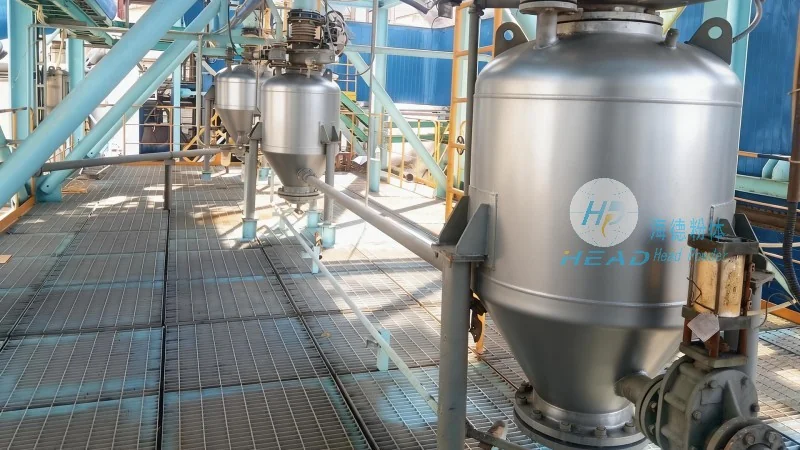
The choice between positive and negative pressure conveying for ferric sulfate depends on specific operational requirements. For instance, in large-scale water treatment plants where ferric sulfate is used as a coagulant, positive pressure systems may be preferred due to the need to transport large quantities over considerable distances with consistent flow rates. Conversely, in smaller-scale laboratory or pilot plants where the material is handled in smaller batches and requires gentle handling, negative pressure systems might be more suitable. Environmental factors, such as the need to minimize dust emissions, also influence the choice, as both systems can be equipped with dust collection and filtration systems, but the design of these systems differs based on the pressure type.
Conclusion
In conclusion, both positive pressure and negative pressure conveying methods offer viable solutions for the transport of ferric sulfate, each with its own set of advantages and limitations. Positive pressure systems excel in long-distance, high-volume applications with robust material handling capabilities, while negative pressure systems provide gentle, efficient transfer for fine materials over shorter distances. By understanding the specific demands of the application, including material characteristics, distance, and operational constraints, industry professionals can select the most appropriate pneumatic conveying system to ensure optimal performance, cost-effectiveness, and safety. Shandong HeadPowder Engineering Co., Ltd. continues to innovate in this field, providing tailored solutions that meet the evolving needs of the chemical and industrial sectors.




