HeadPowder, a leading engineering company based in Shandong, China, specializes in the design and implementation of advanced pneumatic conveying systems. In this article, we provide a detailed comparison between positive pressure and negative pressure conveying methods, focusing on their applications in dry sand transport. Understanding the differences between these two approaches is crucial for selecting the most suitable system for specific industrial needs.
Introduction to Pneumatic Conveying Systems
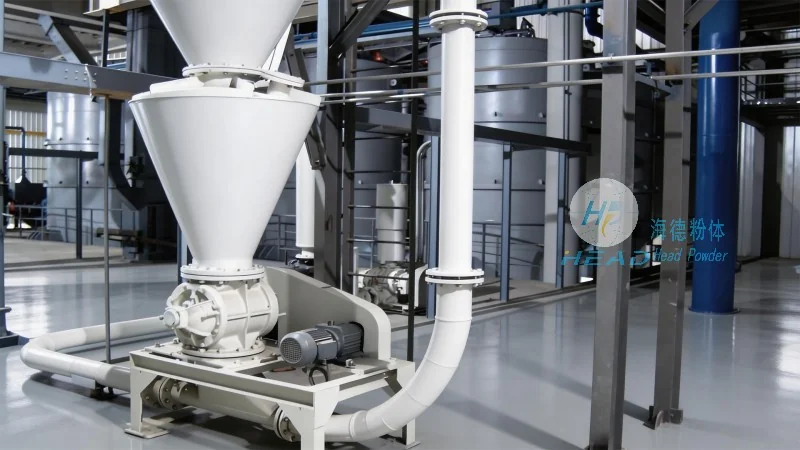
Pneumatic conveying is a widely used technique for transporting bulk materials, such as dry sand, through a pipeline using air or gas as the conveying medium. This method offers several advantages over traditional mechanical conveying, including reduced equipment wear, lower maintenance costs, and the ability to handle materials that are difficult to transport by other means. The two primary types of pneumatic conveying are positive pressure and negative pressure systems, each with distinct operational principles and performance characteristics.
Positive Pressure Conveying: Working Principle and Characteristics
Positive pressure conveying operates by blowing air or gas into the conveying line, creating a pressure higher than the ambient air pressure. The material is introduced into the line at a specific point, and the pressurized air propels the material forward. This method is known for its high conveying capacity and ability to handle long distances and multiple transfer points. The system typically includes a blower or compressor, a hopper for material storage, and a discharge valve at the end of the line.
Key advantages of positive pressure conveying include its ability to handle abrasive materials like dry sand without significant wear on the system components. It also allows for the integration of multiple branches and can be used in applications requiring high flow rates. However, this method may require more energy due to the constant pressurization of the entire system, and it can be more complex to install and maintain compared to negative pressure systems.
Negative Pressure Conveying: Working Principle and Characteristics
Negative pressure conveying, also known as suction conveying, works by creating a vacuum or low pressure in the conveying line. The material is drawn into the line from a hopper or storage bin, and the air is then extracted using a vacuum pump. This method is particularly effective for handling materials that are prone to dust or require a clean environment, as the system draws material into the line rather than blowing it out.
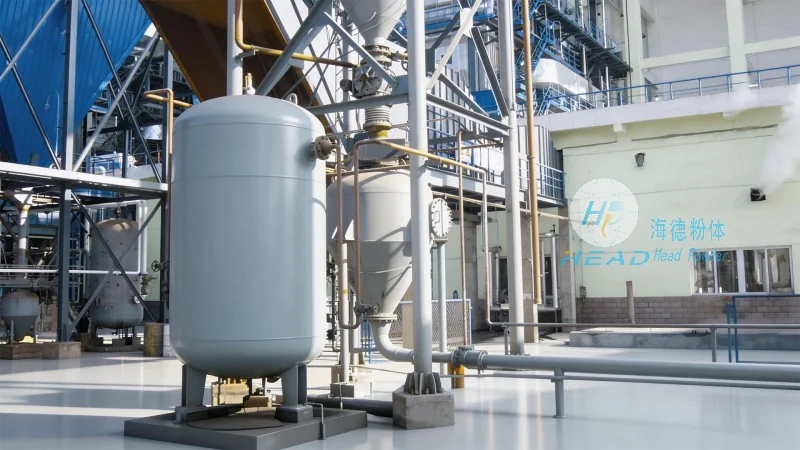
One of the main advantages of negative pressure conveying is its lower energy consumption compared to positive pressure systems, as it only requires a vacuum pump to operate. It is also simpler to install and maintain, especially in applications where the material is stored in a closed container. However, negative pressure systems have limitations in terms of conveying distance and capacity, as the pressure differential decreases with longer lines and larger material loads.
Comparison of Positive and Negative Pressure Conveying for Dry Sand
When comparing positive and negative pressure conveying for dry sand transport, several factors must be considered, including material properties, system requirements, and operational efficiency. Positive pressure systems are generally more suitable for high-volume, long-distance transport of dry sand, especially in industrial settings where large quantities of material need to be moved quickly. They are also better equipped to handle abrasive materials without excessive wear, making them ideal for applications involving sand used in construction or manufacturing.
On the other hand, negative pressure conveying is more appropriate for applications where dust control is a priority, or where the material is stored in a closed system. It is often used in environments where maintaining a clean air quality is critical, such as in food processing or pharmaceutical industries. However, negative pressure systems may not be as efficient for transporting large volumes of dry sand over long distances, as the pressure drop can limit the conveying capacity.
Factors Influencing the Choice of Conveying System
The choice between positive and negative pressure conveying for dry sand depends on several key factors. These include the distance between the material source and the destination, the required flow rate, the material's properties (such as particle size, density, and abrasiveness), and the available space for system installation. Additionally, the cost of equipment, energy consumption, and maintenance requirements play a significant role in the decision-making process.
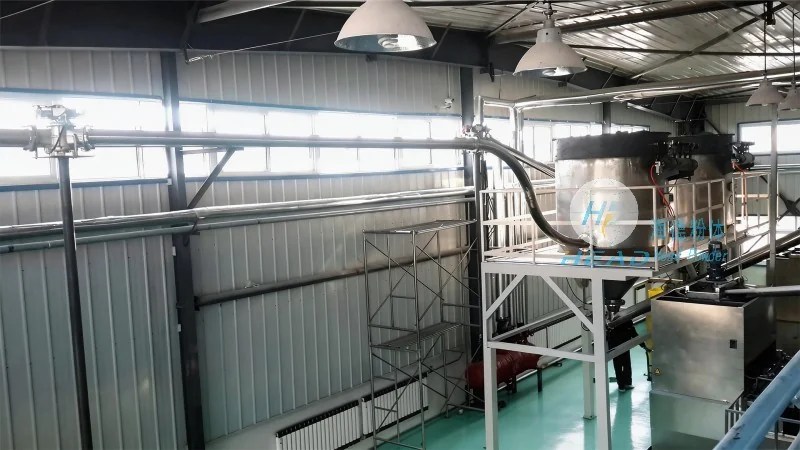
For example, in a large-scale sand mining operation where the material needs to be transported over several kilometers to a processing plant, a positive pressure system may be more suitable due to its higher capacity and ability to handle long distances. Conversely, in a small-scale construction site where the sand is stored in a closed silo and needs to be transported to a nearby mixer, a negative pressure system could be more practical due to its lower energy use and simpler setup.
HeadPowder's Expertise in Pneumatic Conveying Solutions
HeadPowder Engineering Co., Ltd., based in Shandong, China, has extensive experience in designing and implementing both positive and negative pressure pneumatic conveying systems for dry sand and other bulk materials. Our team of engineers works closely with clients to assess their specific requirements and recommend the most efficient and cost-effective solution. Whether you need a high-capacity positive pressure system for long-distance transport or a low-energy negative pressure system for dust control, HeadPowder provides tailored solutions that meet your operational needs.
Our expertise includes the selection of appropriate blower or vacuum pump systems, the design of material handling equipment, and the integration of control systems to ensure smooth and reliable operation. We also offer maintenance and support services to ensure that your conveying system operates at peak efficiency throughout its lifespan.
Conclusion
Both positive pressure and negative pressure conveying methods offer viable solutions for dry sand transport, each with its own set of advantages and limitations. The choice between the two depends on the specific requirements of the application, including material properties, distance, and operational constraints. By understanding the differences between these systems, industrial operators can select the most suitable method to optimize their material handling processes and improve overall efficiency.




