Wheat bran, a byproduct of wheat milling, is widely utilized in animal feed, food products, and industrial processes. Efficient material handling is critical for processing wheat bran, and pneumatic conveying systems are a common solution. Two primary types of pneumatic conveying systems are widely employed: negative pressure (suction) and positive pressure (blowing). This article provides a detailed comparison of the advantages and disadvantages of each system, focusing on their application in wheat bran handling, with insights from Shandong HeadPowder Engineering Co., Ltd. (headpowder), a leading provider of material handling solutions.
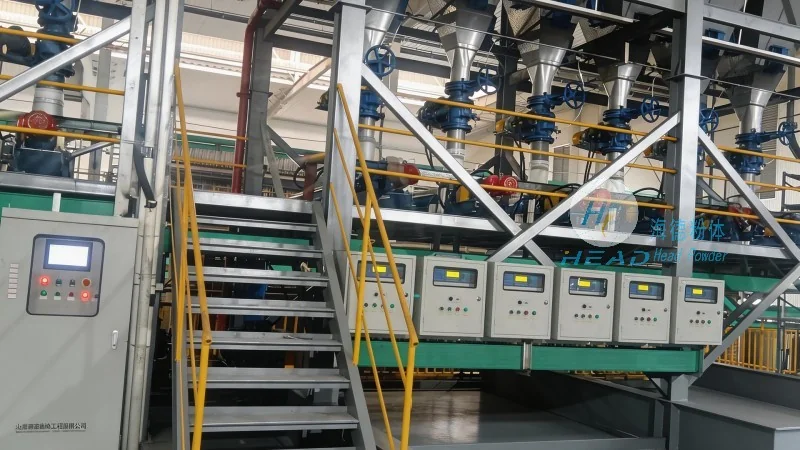
Introduction to Pneumatic Conveying Systems for Wheat Bran
Pneumatic conveying uses air to transport bulk materials like wheat bran through a pipeline. The system can operate under either negative pressure (suction) or positive pressure (blowing). The choice between these two systems depends on factors such as material characteristics, distance, environmental considerations, and operational requirements. Understanding the pros and cons of each approach is essential for selecting the most suitable system for wheat bran processing.
Negative Pressure Pneumatic Conveying
Negative pressure systems, also known as suction conveying, draw material into the system using a vacuum created by a fan or blower at the discharge end. This method is particularly effective for handling fine or dusty materials like wheat bran, as it minimizes dust dispersion and maintains a clean environment. One of the key advantages of negative pressure conveying is its ability to operate with minimal noise, making it suitable for facilities located near residential areas or where noise control is a priority. Additionally, negative pressure systems are often preferred for long-distance conveying, as they can maintain a consistent flow over extended pipelines without significant pressure loss.
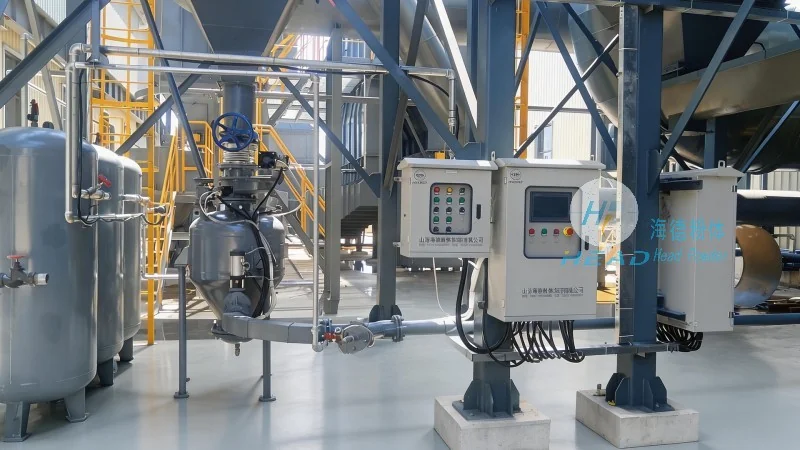
However, negative pressure systems come with several drawbacks. The primary challenge is the higher complexity of the system, which includes additional components like cyclones, filters, and vacuum pumps. This complexity increases both the initial installation cost and the long-term maintenance requirements. Moreover, negative pressure conveying is more susceptible to weather conditions, such as high humidity or rain, which can affect the performance and efficiency of the system. Another limitation is the lower conveying capacity compared to positive pressure systems, as the suction force is limited by the vacuum level achievable by the fan.
Positive Pressure Pneumatic Conveying
Positive pressure systems, or blowing conveying, push material through the pipeline using a fan or blower that generates pressure at the inlet. This method is ideal for short to medium-distance conveying and is commonly used for handling coarse or bulk materials. A significant advantage of positive pressure conveying is its simplicity. The system typically consists of fewer components, reducing both the initial cost and the complexity of maintenance. Positive pressure systems also offer higher conveying capacities, making them suitable for high-volume wheat bran processing operations.
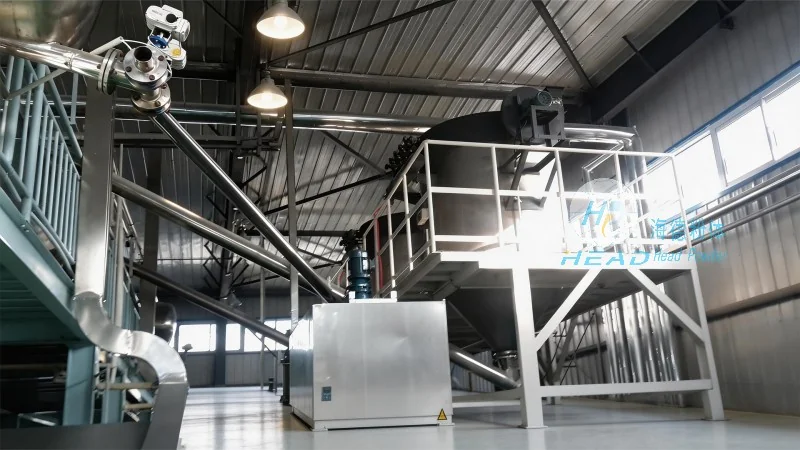
Despite these benefits, positive pressure systems have notable disadvantages. The most critical issue is the potential for dust and material to be released into the environment, which can lead to air pollution and health hazards. This makes positive pressure systems less suitable for applications where environmental compliance is a major concern. Additionally, positive pressure conveying generates more noise compared to negative pressure systems, which may require additional noise control measures. The system is also more prone to blockages if the material contains moisture or clumps, as the high-pressure air can cause agglomeration.
Comparison of Negative vs. Positive Pressure Systems
When comparing negative and positive pressure pneumatic conveying systems for wheat bran, several factors must be considered. Negative pressure systems excel in applications requiring low noise, long-distance conveying, and dust control, but at the cost of higher complexity and maintenance. Positive pressure systems are more suitable for high-volume, short-distance operations with simpler maintenance requirements, though they pose environmental and noise-related challenges. The choice ultimately depends on the specific processing needs, environmental regulations, and operational budget of the facility.
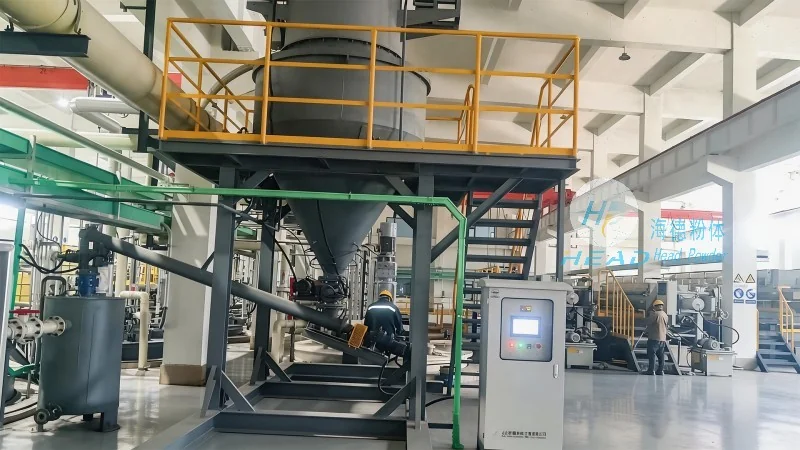
Application in Wheat Bran Handling by HeadPowder
Shandong HeadPowder Engineering Co., Ltd. specializes in designing and manufacturing customized pneumatic conveying solutions tailored to the unique needs of wheat bran processing. The company's expertise lies in integrating both negative and positive pressure systems into comprehensive material handling systems, ensuring optimal performance and efficiency. For example, in a large-scale animal feed plant, headpowder implemented a negative pressure conveying system to transport wheat bran from storage silos to processing lines, minimizing dust and noise while maintaining long-distance transport efficiency. In another application, a food processing facility opted for a positive pressure system due to its high conveying capacity and simplicity, suitable for short-distance transport of bulk wheat bran.
Conclusion
In conclusion, both negative and positive pressure pneumatic conveying systems offer viable solutions for wheat bran handling, each with distinct advantages and disadvantages. Negative pressure systems are preferred for applications emphasizing environmental cleanliness and long-distance transport, while positive pressure systems are better suited for high-volume, short-distance operations with simpler maintenance. The decision should be based on a thorough evaluation of operational requirements, environmental regulations, and cost considerations. By leveraging the expertise of companies like Shandong HeadPowder Engineering Co., Ltd., facilities can select and implement the most appropriate pneumatic conveying system to enhance their wheat bran processing efficiency and sustainability.




