Resin sand is a critical material in foundry production, and efficient material handling is essential for maintaining production efficiency and quality. Pneumatic conveying is a widely used method for transporting resin sand, with two primary approaches: positive pressure and negative pressure systems. This article provides a detailed comparison of these two methods, highlighting their characteristics, advantages, and typical applications.
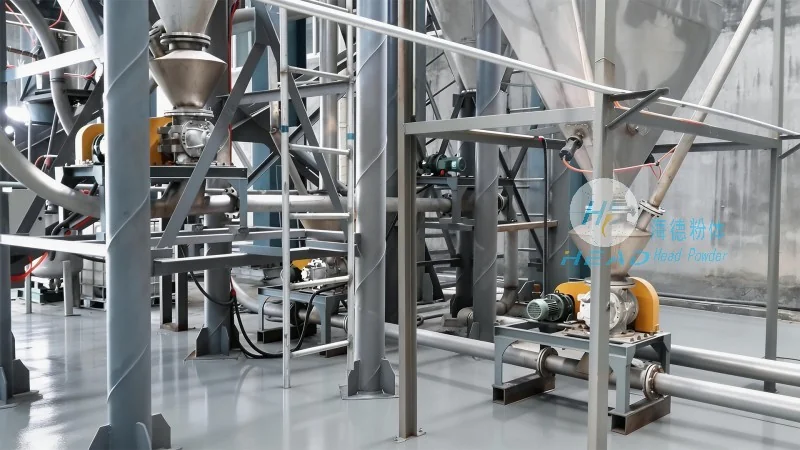
HeadPowder, a leading engineering company based in Shandong, China, specializes in the design, manufacturing, and installation of advanced material handling systems. With years of experience in the foundry industry, HeadPowder has developed comprehensive solutions for resin sand conveying, ensuring optimal performance and reliability.
Positive Pressure Pneumatic Conveying Systems
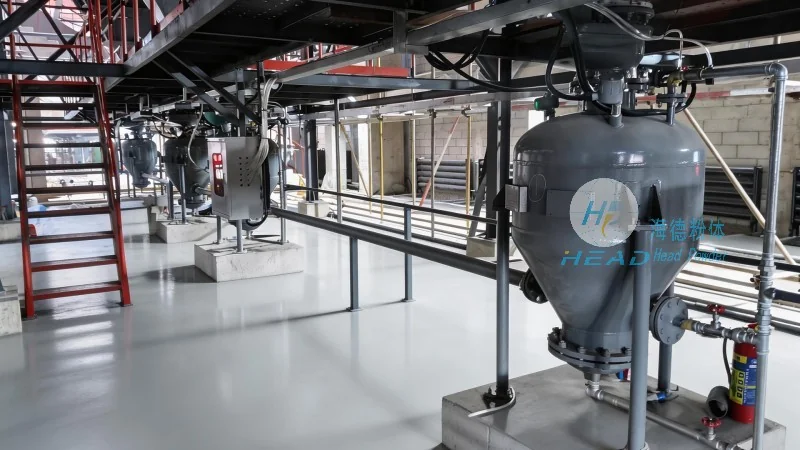
Positive pressure pneumatic conveying systems operate by blowing air or gas under pressure into the material stream. The material is then carried through a pipeline to the destination. This method is known for its high conveying capacity and ability to handle abrasive materials like resin sand. The positive pressure system typically uses a blower or compressor to generate the necessary pressure, ensuring consistent material flow. One of the key advantages of positive pressure is its ability to transport materials over long distances without significant pressure loss. Additionally, it can handle materials with high moisture content or those that are prone to caking, as the high pressure helps to break up agglomerates. However, positive pressure systems require robust pipeline and equipment to withstand the internal pressure, which can increase initial investment costs. They are also more complex to maintain due to the need for regular pressure checks and component replacements.
Negative Pressure Pneumatic Conveying Systems
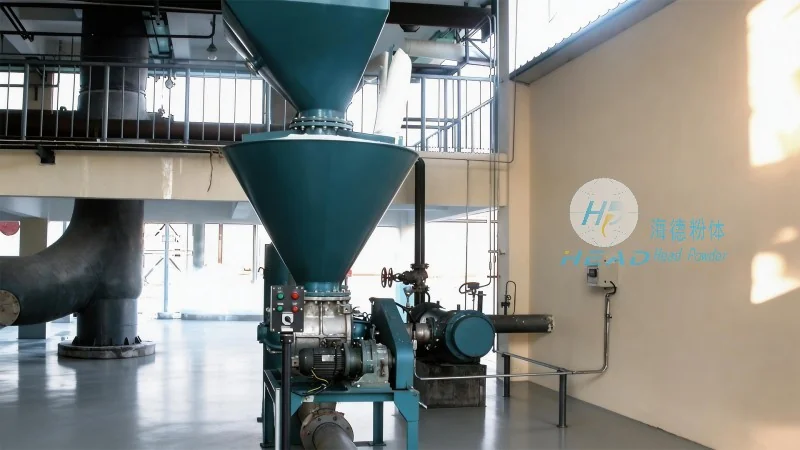
Negative pressure pneumatic conveying, also known as vacuum conveying, works by creating a vacuum in the pipeline to draw material from the source to the destination. The system uses a vacuum pump to remove air from the pipeline, creating a pressure differential that pulls the material along. This method is particularly effective for handling fine powders and materials that are sensitive to pressure changes. Negative pressure systems are generally more compact and require less space compared to positive pressure systems, making them suitable for installations with limited floor area. They are also less likely to cause dust emissions during material transfer, as the vacuum helps to contain particles within the system. However, negative pressure systems have lower conveying capacities and are more suitable for shorter distances or lower material volumes. They may also be more prone to clogging due to the lower pressure, which can affect the overall efficiency of the system.
Comparative Analysis of Positive and Negative Pressure Conveying
When comparing positive and negative pressure pneumatic conveying for resin sand, several factors must be considered. The choice between the two methods depends on the specific application requirements, such as the distance to be covered, the volume of material to be transported, and the characteristics of the resin sand itself. Positive pressure systems are generally preferred for long-distance or high-volume applications, where the ability to maintain consistent flow and handle abrasive materials is crucial. They are also suitable for applications where the material needs to be transported under high pressure to prevent agglomeration. On the other hand, negative pressure systems are ideal for shorter distances, lower material volumes, or applications where space constraints are a primary concern. They are particularly effective for handling fine powders that are sensitive to pressure changes or where dust containment is a priority.
Selection Considerations for Foundry Operations
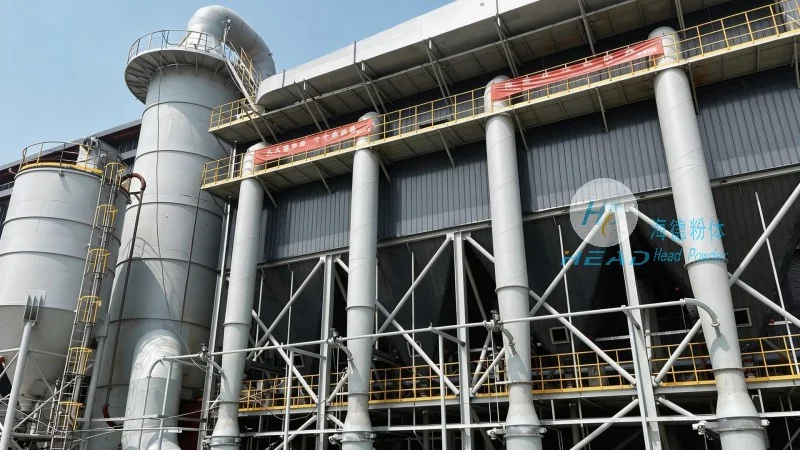
For foundry operations, the selection of a pneumatic conveying system should be based on a thorough analysis of the production process and material handling needs. Positive pressure systems offer higher flexibility and capacity, making them suitable for large-scale resin sand handling. Negative pressure systems, while more compact, may be more cost-effective for smaller-scale operations or where space is limited. HeadPowder provides customized solutions that integrate both positive and negative pressure components, allowing for hybrid systems that combine the advantages of both approaches. Our engineering team works closely with clients to assess their specific requirements and recommend the most suitable conveying method to ensure optimal performance and efficiency.
Conclusion
In conclusion, both positive and negative pressure pneumatic conveying methods have their unique advantages and applications in resin sand handling. Positive pressure systems excel in long-distance, high-volume transport and handling of abrasive materials, while negative pressure systems are ideal for shorter distances, fine powders, and space-constrained environments. By understanding the characteristics of each method and considering the specific needs of the foundry operation, manufacturers can choose the most appropriate pneumatic conveying system to enhance production efficiency and material handling capabilities. HeadPowder remains committed to providing advanced material handling solutions that meet the evolving demands of the foundry industry.




