For industries dealing with polypropylene (PP), selecting the right pneumatic conveying system is crucial for efficiency, cost-effectiveness, and material integrity. Two primary methods dominate the market: positive pressure conveying and negative pressure conveying. This analysis delves into the characteristics, advantages, and limitations of each approach, providing a comprehensive comparison to aid in decision-making for material handling applications.
Understanding Pneumatic Conveying Fundamentals
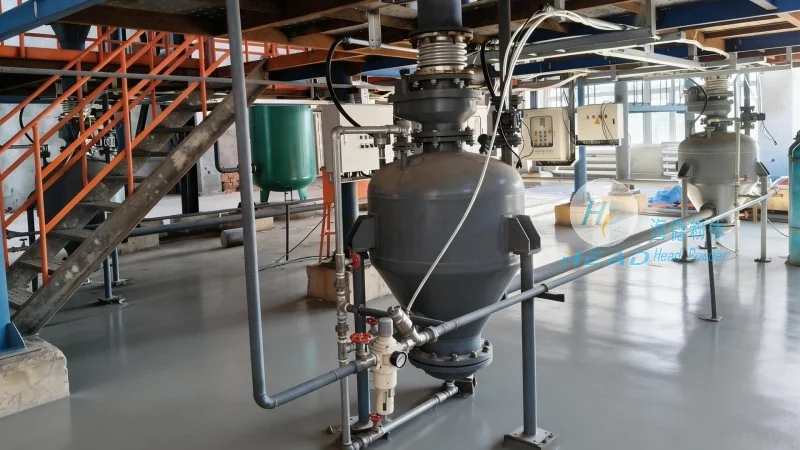
Pneumatic conveying systems transport bulk materials like polypropylene using air or gas as the medium. The two main categories—positive pressure and negative pressure—differ in how they generate airflow and manage material flow. Positive pressure systems force air through the system, while negative pressure systems draw air out, creating a vacuum to pull material. Both methods are widely used in the plastics industry due to their ability to handle fine powders and granules, but their operational principles and suitability vary significantly.
Positive Pressure Conveying of Polypropylene
Positive pressure conveying operates by blowing air through the conveying line, pushing material from the source to the destination. This method is often preferred for applications requiring high material throughput and long-distance transport. The system typically includes a blower or compressor that supplies compressed air, ensuring consistent pressure and flow rates. For polypropylene, positive pressure systems are effective for handling free-flowing granules and powders, minimizing material degradation from friction or impact. The design often incorporates features like cyclones or filters to separate material from air, maintaining product purity. A key advantage is the ability to handle abrasive materials without excessive wear on components, as the air flow direction reduces direct contact between material and equipment.
Negative Pressure Conveying of Polypropylene
Negative pressure conveying, also known as vacuum conveying, uses a vacuum pump to draw material into the system. Air and material are pulled from the source, through the conveying line, and into a collection hopper or processing unit. This method is ideal for applications where material needs to be transferred from multiple points or where the source is at a higher elevation than the destination. Negative pressure systems are particularly useful for handling fine powders that are prone to dusting or for processes requiring gentle material handling to prevent agglomeration. The vacuum environment reduces the risk of material spillage and improves safety, as the system operates under negative pressure, minimizing air emissions. However, negative pressure conveying may have lower throughput compared to positive pressure systems, especially for larger volumes or longer distances.
Key Differences and Performance Metrics
When comparing positive and negative pressure conveying for polypropylene, several factors emerge as critical. Positive pressure systems generally offer higher material flow rates and are more suitable for long-distance transport, making them ideal for large-scale production lines. They also tend to have lower energy consumption per unit of material due to the efficient use of compressed air. In contrast, negative pressure systems excel in applications requiring gentle handling, such as processing sensitive polypropylene grades or handling fine powders that could be damaged by high air velocities. The choice between the two often depends on the specific material characteristics, system layout, and operational requirements. For example, a plant with multiple source points and a central processing unit might favor negative pressure due to its ability to collect material from various locations, while a facility with a single source and long transport distances may opt for positive pressure.
Impact on Material Quality and System Maintenance
The operational method significantly impacts the quality of polypropylene during transport. Positive pressure systems, with their higher air velocities, can sometimes cause more material attrition, especially for brittle or low-density polypropylene grades. However, modern designs incorporate air curtains and low-velocity zones to mitigate this effect, ensuring minimal particle size reduction. Negative pressure systems, by operating at lower velocities, generally result in less material degradation, preserving the original properties of the polypropylene. Maintenance considerations also differ: positive pressure systems may require more frequent filter changes due to higher dust load, while negative pressure systems need regular vacuum pump maintenance to maintain suction efficiency. The choice of system also affects the overall footprint and complexity of the installation, with positive pressure systems often being more compact and easier to integrate into existing facilities.
Application Scenarios and Industry Use Cases
The suitability of each conveying method is often determined by the specific application. Positive pressure conveying is commonly used in the production of polypropylene pellets, where large volumes need to be transferred from storage silos to extrusion lines. It is also preferred in industries like automotive and packaging, where high throughput and reliability are paramount. Negative pressure conveying, on the other hand, is widely used in recycling operations, where polypropylene waste is collected from various sources and transported to processing facilities. It is also suitable for handling fine powders in research and development labs, where material purity and gentle handling are critical. In both cases, the choice of system aligns with the operational goals of the facility, balancing efficiency, cost, and material integrity.
Conclusion: Selecting the Right Conveying Method
Ultimately, the decision between positive pressure and negative pressure conveying for polypropylene depends on a careful evaluation of operational needs, material characteristics, and system constraints. Positive pressure systems offer higher throughput and efficiency for long-distance transport, while negative pressure systems provide gentle handling and flexibility for diverse source points. By understanding the unique advantages and limitations of each method, manufacturers can optimize their material handling processes, reduce downtime, and enhance overall productivity. For industries seeking reliable and efficient solutions, both methods remain viable options, with the optimal choice tailored to the specific requirements of the application.




