Understanding the principles and operational characteristics of gypsum ash pneumatic conveying equipment is crucial for industries dealing with gypsum byproducts, such as cement plants and gypsum processing facilities. This equipment plays a vital role in efficiently transporting gypsum ash, a material often characterized by its fine particle size and varying moisture content. The technology behind pneumatic conveying systems for gypsum ash involves the use of air to move the material through a pipeline, offering a flexible and effective solution for material handling in industrial settings.
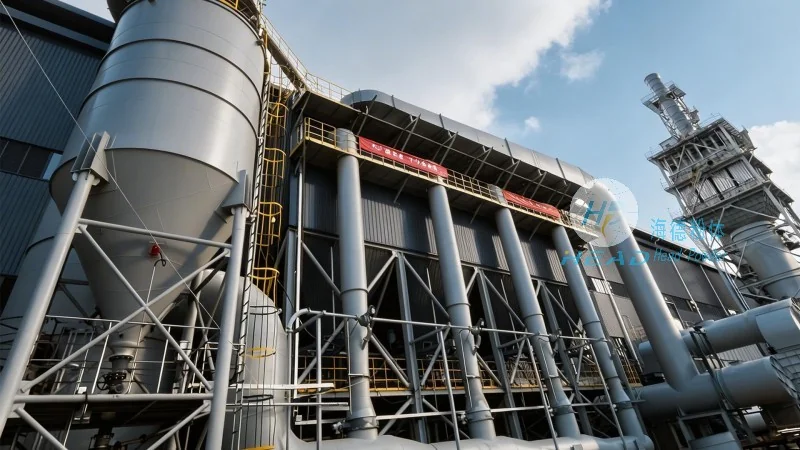
Company Profile: Shandong HeadPowder Engineering Co., Ltd.
HeadPowder, or Shandong HeadPowder Engineering Co., Ltd., is a leading manufacturer specializing in engineering solutions for powder and bulk material handling. With a strong presence in China, particularly in Shandong province, the company has built a reputation for delivering high-quality pneumatic conveying equipment tailored to the unique needs of industries dealing with gypsum ash and similar materials. HeadPowder's expertise lies in designing systems that ensure efficient, reliable, and environmentally friendly material transport, supporting clients in optimizing their production processes and reducing operational costs.
The Principle of Pneumatic Conveying for Gypsum Ash
The core principle of pneumatic conveying for gypsum ash is the use of air as a medium to transport the material through a closed pipeline system. This method can be categorized into two main types: positive pressure (or pressure) conveying and negative pressure (or vacuum) conveying. Positive pressure systems use a blower to generate air pressure that pushes the material forward, while negative pressure systems use a vacuum to draw the material into the pipeline. For gypsum ash, which typically consists of fine particles with a relatively low bulk density, positive pressure conveying is often preferred as it provides better control over the material flow and reduces the risk of clogging.
Gypsum ash, derived from the combustion of gypsum or other similar materials, often contains particles with diameters ranging from a few microns to several millimeters. The material may also have varying moisture levels, which can affect its flow properties and the efficiency of the conveying process. Pneumatic conveying equipment designed for gypsum ash must be capable of handling these characteristics, ensuring that the material is transported without degradation or loss of quality. The system typically includes components such as a hopper for material storage, a feeder to control the flow rate, a blower or vacuum pump to generate the air flow, and a pipeline network to deliver the material to its destination. The design of these components is critical to achieving optimal performance, as it directly impacts the efficiency of the conveying process and the overall reliability of the system.
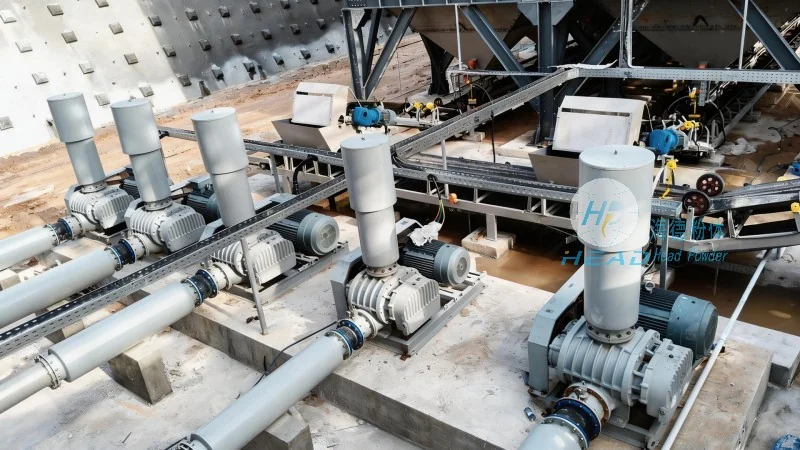
Key Working Scene Characteristics
The working scene characteristics of gypsum ash pneumatic conveying equipment are influenced by several factors, including the source of the material, the distance to be transported, and the environmental requirements of the application. In industrial settings, such as cement production facilities, the equipment is often used to transport gypsum ash from the combustion chamber to storage silos or processing units. The distance may vary from a few meters to several hundred meters, requiring the system to be designed with appropriate air pressure and flow rates to maintain material transport efficiency. Environmental considerations are also important, as gypsum ash is often considered a byproduct that needs to be handled in a way that minimizes dust emissions and adheres to regulatory standards. Pneumatic conveying systems are preferred in these scenarios because they can be enclosed, reducing dust dispersion and improving workplace safety.
Another key characteristic is the variability of the material's properties. Gypsum ash can have different particle sizes, moisture content, and bulk density depending on the source and processing conditions. The conveying equipment must be flexible enough to accommodate these variations, ensuring consistent performance. For example, if the material becomes more humid, the system may need to adjust the air flow or use additional drying mechanisms to prevent clogging or material degradation. The working scene also includes the need for integration with existing production lines, which requires the equipment to be compatible with other machinery and control systems. This integration is crucial for maintaining the overall efficiency and reliability of the production process.
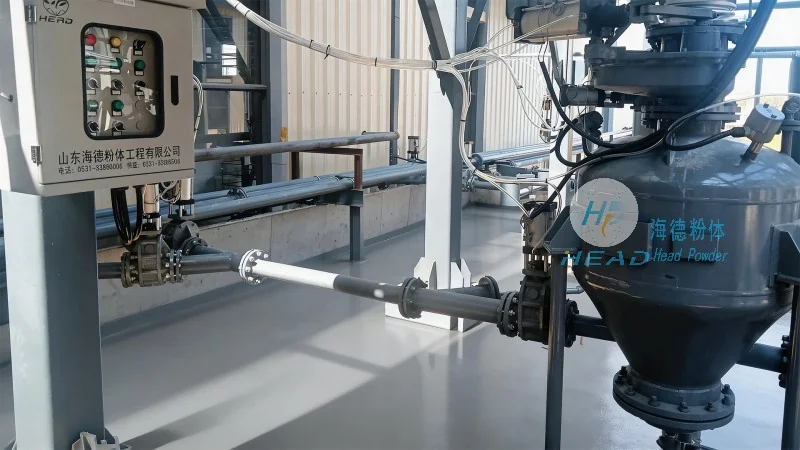
Technical Advantages and Application Scenarios
HeadPowder's gypsum ash pneumatic conveying equipment offers several technical advantages that make it suitable for a wide range of applications. One of the primary advantages is its efficiency in transporting fine particles over long distances with minimal energy consumption. The use of air as the conveying medium allows for a compact system design, reducing the footprint required for installation. Additionally, the enclosed pipeline system helps in controlling dust emissions, which is essential for maintaining a clean and safe working environment. The equipment is also designed for low maintenance, with components that are easy to access and replace, reducing downtime and operational costs.
The application scenarios for this equipment are diverse and include not only cement plants but also gypsum processing facilities, construction material manufacturers, and waste management companies. In cement plants, the equipment is used to transport gypsum ash from the kiln to the storage area or to other processing units, where it may be used as a raw material or disposed of properly. In gypsum processing facilities, the equipment helps in moving the ash from the processing line to the packaging or storage areas. The versatility of the system allows it to be adapted to different material types and operational requirements, making it a reliable choice for industries dealing with gypsum byproducts.
Overall, the gypsum ash pneumatic conveying equipment from Shandong HeadPowder Engineering Co., Ltd. combines advanced technology with practical design to meet the demanding needs of industrial applications. By understanding the principles and characteristics of the equipment, as well as the specific requirements of the working scene, industries can optimize their material handling processes, improve operational efficiency, and ensure compliance with environmental regulations. The equipment's ability to handle the unique properties of gypsum ash makes it an essential component in modern industrial operations, supporting the sustainable and efficient use of resources.




