Pneumatic conveying is a widely used method for transporting bulk materials, including powders and granules, over short to medium distances. This technology utilizes air or other gases to move material through a pipeline system. The two primary methods of pneumatic conveying are positive pressure and negative pressure systems, each with distinct characteristics and applications. In this analysis, we will explore the differences between these two approaches, specifically focusing on their application in the handling of furfural slag—a byproduct of the furfural production process.
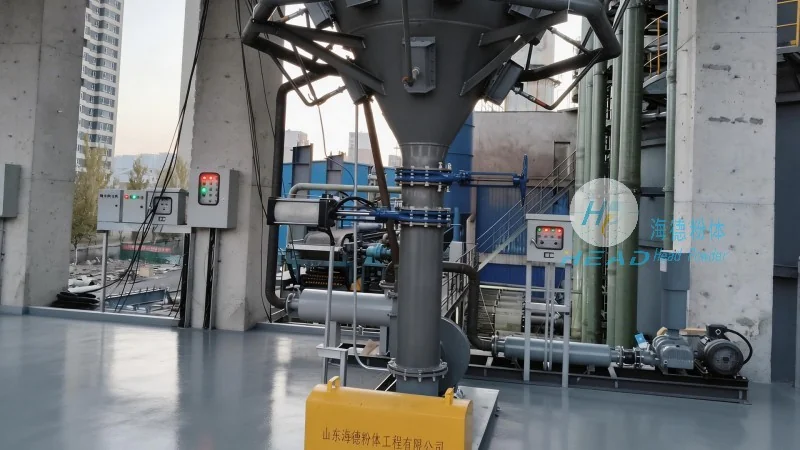
Positive Pressure Conveying: Principles and Applications
Positive pressure conveying, also known as pressure pneumatic conveying, operates by generating high-pressure air or gas at the material inlet. The system pushes material through the pipeline using a positive pressure differential. This method is particularly effective for transporting materials that are abrasive, dusty, or have a tendency to clog pipelines. For furfural slag, which often contains fine particles and may be prone to agglomeration, positive pressure systems can provide reliable performance. The high pressure ensures that material is consistently moved through the system, minimizing the risk of blockages. Additionally, positive pressure systems are well-suited for applications where the material needs to be delivered to multiple destinations or over longer distances, as the pressure can be maintained throughout the pipeline network.
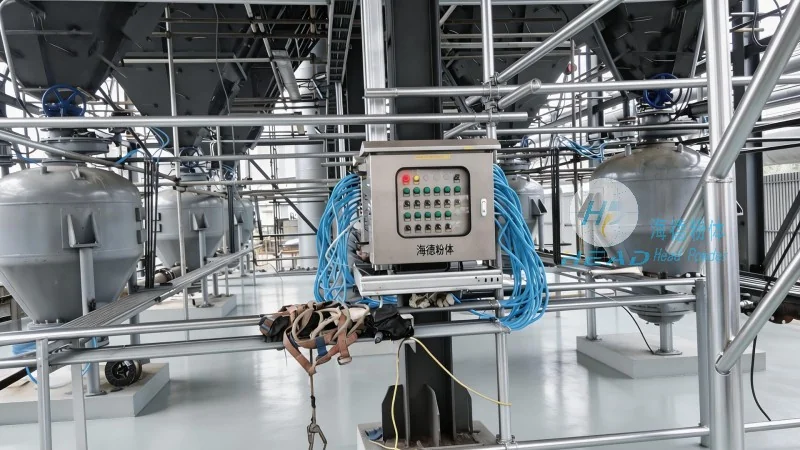
Negative Pressure Conveying: Principles and Applications
Negative pressure conveying, or vacuum pneumatic conveying, works by creating a low-pressure environment at the material inlet, drawing material into the system. The system pulls material through the pipeline using a vacuum. This approach is often preferred for applications where the material is to be collected from multiple points or where the source is located at a higher elevation than the destination. For furfural slag, negative pressure systems can be advantageous when the material is generated in a confined space or when the need to avoid dust emission is critical. The vacuum helps to contain particles within the system, reducing the risk of environmental contamination. However, negative pressure systems may be less effective for materials that are highly abrasive or prone to clogging, as the low pressure can sometimes lead to reduced material flow rates.
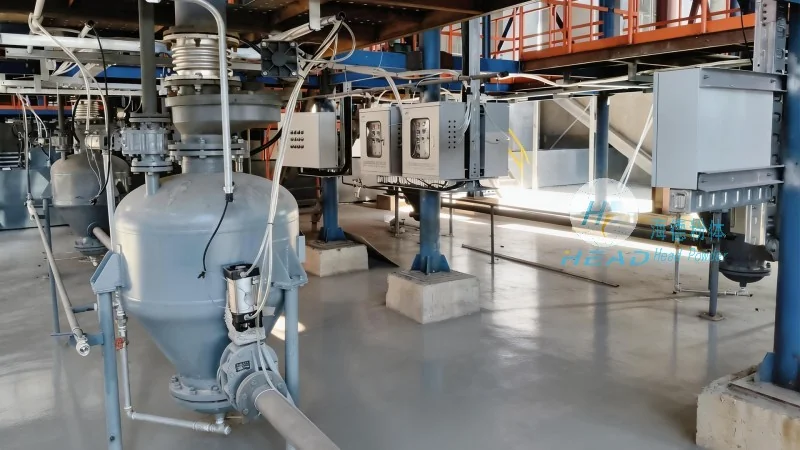
Comparative Analysis: Positive vs. Negative Pressure Conveying for Furfural Slag
When evaluating the suitability of positive versus negative pressure conveying for furfural slag, several factors must be considered. These include the material's physical properties, the distance and layout of the conveying system, and the operational requirements of the facility. Positive pressure systems generally offer higher material flow rates and are more effective for long-distance or multi-point delivery. They are also more robust against clogging, making them ideal for abrasive or sticky materials like furfural slag. On the other hand, negative pressure systems are better suited for applications where the material source is at a higher elevation or where dust control is a priority. They are also more energy-efficient for short distances, as the vacuum pump only needs to maintain a lower pressure differential.
HeadPowder: Expertise in Pneumatic Conveying Solutions
Shandong HeadPowder Engineering Co., Ltd. (HeadPowder) is a leading provider of customized pneumatic conveying systems tailored to the unique needs of industrial applications. With a focus on material handling solutions, HeadPowder specializes in designing and manufacturing systems that optimize the efficiency and safety of bulk material transport. The company’s expertise in both positive and negative pressure conveying allows them to offer comprehensive solutions for furfural slag handling, ensuring that clients can select the most appropriate system based on their specific operational requirements. HeadPowder’s team of engineers works closely with clients to assess material characteristics, system layout, and operational goals, providing tailored recommendations that enhance productivity and reduce operational costs.
Conclusion
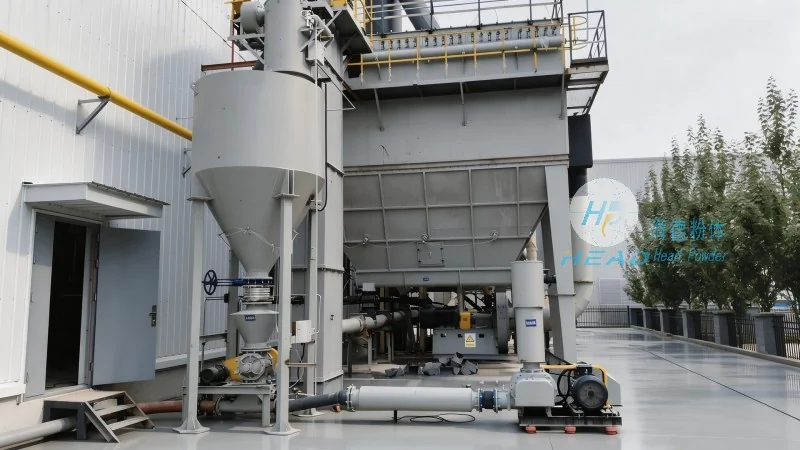
Both positive and negative pressure pneumatic conveying systems offer viable options for the handling of furfural slag, each with its own advantages and limitations. Positive pressure systems excel in terms of material flow rate, reliability, and suitability for abrasive materials, while negative pressure systems provide benefits in terms of dust control and energy efficiency for shorter distances. The choice between the two depends on the specific requirements of the application, including the material's properties, the system's layout, and the operational goals of the facility. By understanding these differences and leveraging the expertise of companies like Shandong HeadPowder Engineering Co., Ltd., industrial facilities can select the most effective pneumatic conveying solution to ensure efficient and safe transport of furfural slag.




