Pneumatic conveying is a critical method for handling polymeric materials like polystyrene, which are often lightweight and can be challenging to transport using traditional mechanical systems. The choice between negative pressure (suction) and positive pressure (blowing) conveying methods significantly impacts operational efficiency, material quality, and system maintenance. This article provides a detailed comparison of the advantages and disadvantages of each approach, tailored for applications involving polystyrene, with a focus on practical considerations for industrial settings. Shandong HeadPowder Engineering Co., Ltd., a leading provider of pneumatic conveying solutions, specializes in optimizing material handling systems for industries like plastics processing, helping clients achieve efficient and reliable transport of polystyrene while minimizing operational costs.
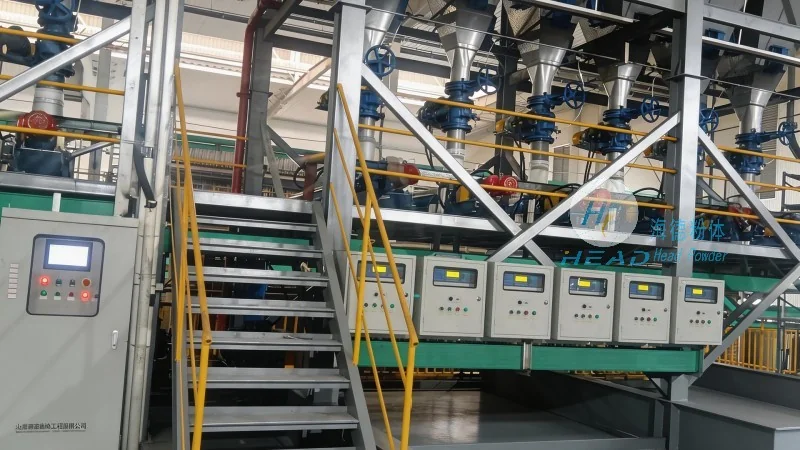
Understanding Negative Pressure (Suction) Conveying
Negative pressure conveying, also known as suction conveying, operates by creating a partial vacuum at the material inlet to draw the polystyrene particles into the system. This method is particularly effective for transporting materials from multiple points or over longer distances where the material source is elevated or at a distance from the processing equipment. The primary advantage of negative pressure systems is their ability to handle fine or dusty powders without generating excessive pressure differentials, which can help minimize material degradation and reduce the risk of dust explosions. Additionally, suction systems are generally less complex in terms of equipment, as they do not require high-pressure air compressors, making them more cost-effective for smaller-scale operations.
However, negative pressure conveying has notable drawbacks when applied to polystyrene. The vacuum created can lead to lower conveying velocities compared to positive pressure systems, potentially causing material to settle in the pipeline if the system is not properly designed. This can result in blockages or uneven material flow, especially with irregularly shaped polystyrene particles. Furthermore, the system's efficiency is highly dependent on consistent air flow and pressure, which may be affected by changes in ambient conditions or material moisture content. Maintenance of suction systems also requires careful attention to filter and vacuum pump performance, as clogging or wear can quickly reduce system effectiveness.
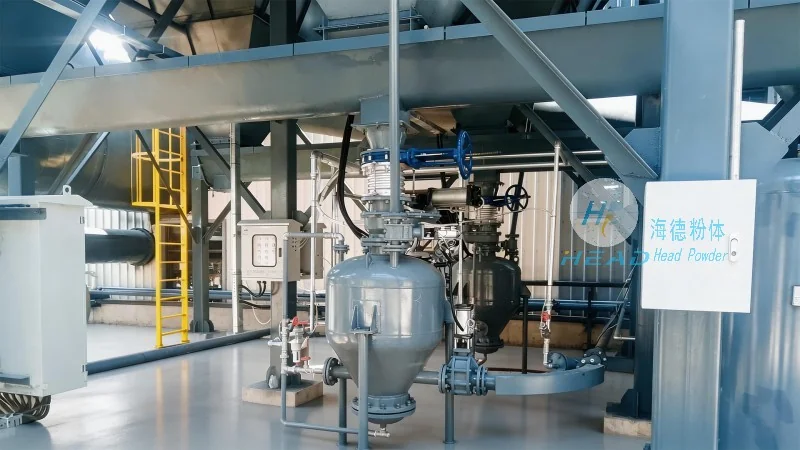
Exploring Positive Pressure (Blowing) Conveying
Positive pressure conveying, or blowing conveying, uses compressed air to force polystyrene particles through the pipeline. This method is often preferred for applications requiring high conveying velocities, short transport distances, or when the material source is located below the processing equipment. The main advantage of positive pressure systems is their ability to achieve rapid material transport, which is beneficial for high-throughput operations. They also provide better control over material flow, as the pressure can be adjusted to maintain consistent velocity and prevent material degradation. Positive pressure systems are generally more robust and reliable for handling abrasive or dense materials, though polystyrene's lightweight nature makes this less of a concern.
Nevertheless, positive pressure conveying presents challenges specific to polystyrene handling. The high pressure and air velocity can cause polystyrene particles to degrade through friction or heat generation, especially if the pipeline is long or the material is sensitive to temperature changes. This can lead to reduced material quality or increased dust generation. Additionally, positive pressure systems require substantial energy input from air compressors, which increases operational costs and may necessitate more frequent maintenance of high-pressure components. The risk of dust explosions is also higher in positive pressure systems due to the presence of compressed air and potentially flammable material, requiring additional safety measures such as explosion-proof designs.
Key Considerations for Polystyrene Handling
When selecting between negative and positive pressure conveying for polystyrene, several factors must be evaluated to ensure optimal performance and cost-effectiveness. The first consideration is the distance and layout of the conveying system. For long distances or multiple pick-up points, negative pressure may be more suitable due to its lower pressure requirements. Conversely, for short distances or when the material source is below the processing equipment, positive pressure can offer faster and more reliable transport. Material characteristics, such as particle size, density, and moisture content, also play a crucial role. Polystyrene's low density and potential for static charge may require specialized equipment, such as anti-static filters or ionizers, which can be integrated into either system but may be more critical in positive pressure systems where higher velocities increase static buildup.
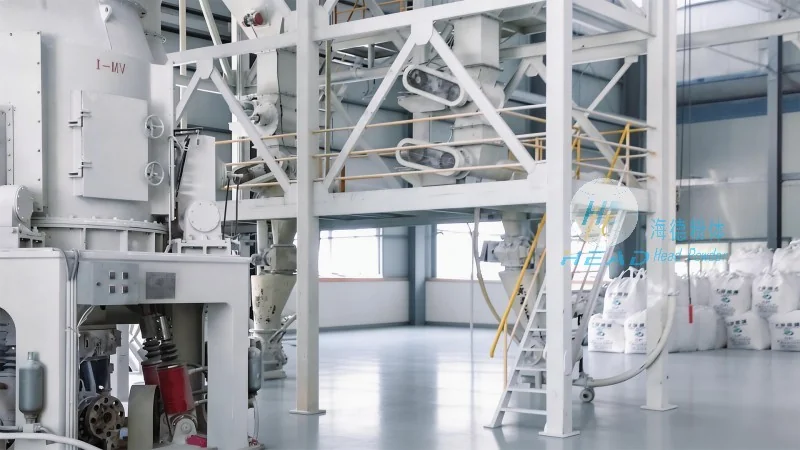
Operational costs and maintenance are other critical factors. Negative pressure systems typically have lower initial capital costs due to the absence of high-pressure air compressors, though they may require more frequent filter changes due to dust accumulation. Positive pressure systems, while more expensive upfront, often have lower maintenance costs for the conveying line itself but higher energy expenses. The choice also depends on the scale of the operation; small-scale applications may benefit from negative pressure's simplicity, while large-scale, high-throughput facilities may find positive pressure more efficient despite its higher costs.
Conclusion: Choosing the Right Conveying Method for Polystyrene
Both negative pressure and positive pressure conveying systems offer viable solutions for handling polystyrene in pneumatic applications, but the optimal choice depends on specific operational requirements, material characteristics, and cost considerations. Negative pressure conveying excels in scenarios requiring low-pressure, long-distance transport with minimal material degradation, while positive pressure systems are better suited for high-speed, short-distance transport where efficiency and control are paramount. Understanding the trade-offs between these methods—such as energy consumption, system complexity, and material quality—allows industry professionals to select the most appropriate conveying solution for their polystyrene handling needs. By carefully evaluating these factors, companies can enhance operational efficiency, reduce maintenance costs, and ensure the quality of their polystyrene products throughout the conveying process.




