

What is a Lithium Carbonate Material Pneumatic Conveying Machine? And What Are Its Design Principles
HeadPowder, a leading manufacturer based in Shandong, China, specializes in industrial equipment for material handling. Among their product lineup is the lithium carbonate material pneumatic conveying machine, a critical piece of machinery used in the processing of lithium carbonate, a key component in lithium-ion batteries. This article explores what this equipment is and the underlying design principles that make it effective for transporting lithium carbonate and similar fine powders.
Understanding the Lithium Carbonate Material Pneumatic Conveying Machine
The lithium carbonate material pneumatic conveying machine is a specialized system designed to transport lithium carbonate powder from one location to another using air as the conveying medium. This technology is particularly valuable in industries where lithium carbonate is processed, such as lithium mining, battery manufacturing, and chemical processing. The machine operates by creating a flow of air within a pipeline, which then carries the powder particles through the system. This method offers several advantages over traditional mechanical conveying methods, including reduced equipment wear, lower maintenance requirements, and the ability to handle materials that are sensitive to moisture or contamination.
Key Components of the Pneumatic Conveying System
The lithium carbonate material pneumatic conveying machine consists of several key components that work together to ensure efficient and reliable operation. The primary components include:
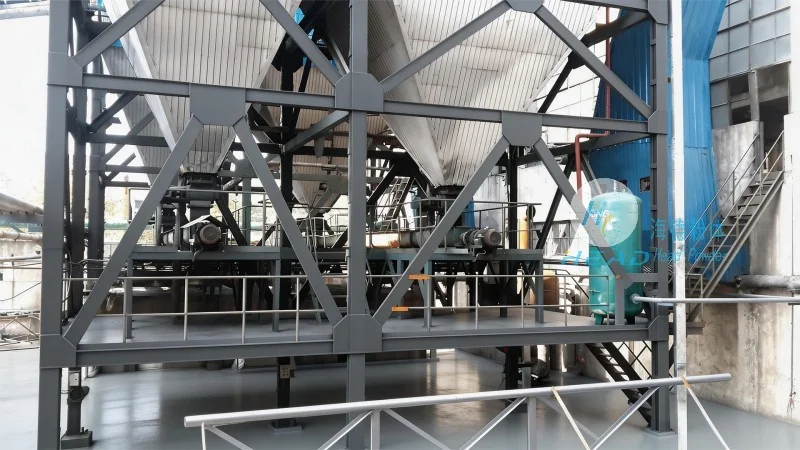
- Feed Hopper and Metering Valve: The feed hopper is used to store the lithium carbonate material, and the metering valve controls the flow rate of the powder into the conveying system, ensuring consistent and controlled material delivery.
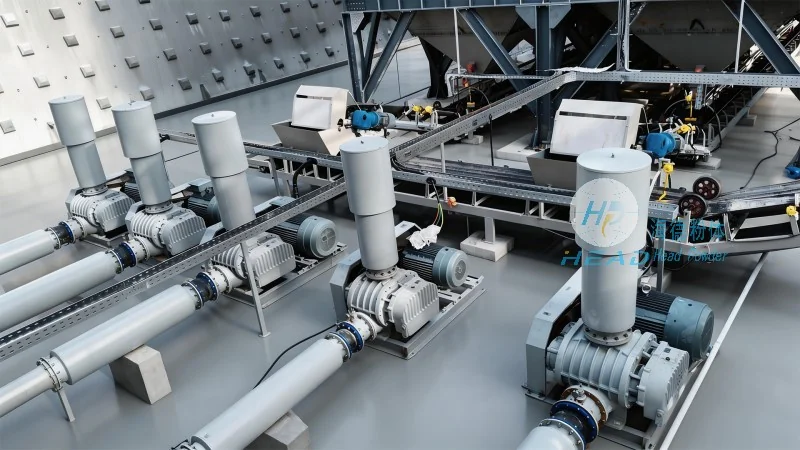
- Air Supply System: This component generates the necessary air pressure or vacuum to move the material through the pipeline. It may include a blower, compressor, or vacuum pump, depending on the specific conveying method (e.g., pressure or suction system).
- Conveying Pipeline: The pipeline is typically made of stainless steel or other corrosion-resistant materials to handle the lithium carbonate powder and prevent contamination. The pipeline design includes bends, elbows, and straight sections to guide the material to the desired destination.
- Separation and Collection Equipment: At the end of the conveying line, a separator or cyclone is used to separate the powder from the air stream. The collected lithium carbonate is then deposited into a receiving container, while the air is either filtered and recirculated or vented to the atmosphere.
- Control System: An automated control system monitors and regulates the operation of the entire conveying process, ensuring optimal performance and safety. This system may include sensors for flow rate, pressure, and material level, as well as alarms and safety interlocks.
Design Principles Behind the Pneumatic Conveying Machine
The design of the lithium carbonate material pneumatic conveying machine is based on fundamental principles of fluid dynamics and particle transport. The core principle is the use of air to create a fluidized or suspended state of the powder particles, allowing them to be transported through the pipeline. There are two main types of pneumatic conveying systems: pressure and suction.
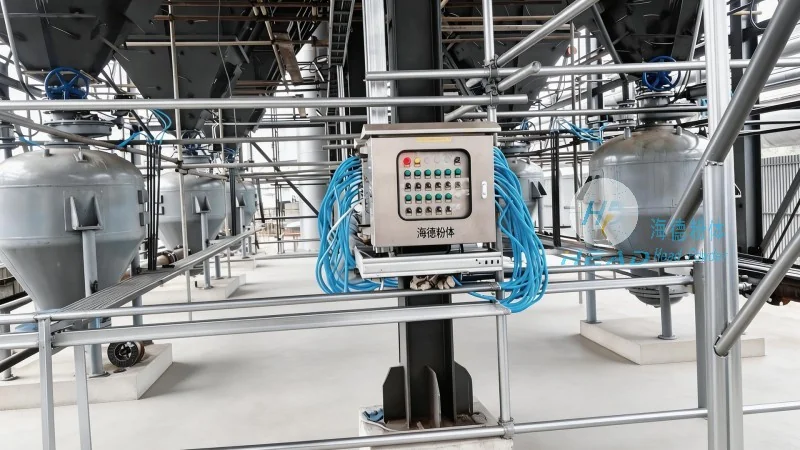
Pressure Conveying: In a pressure system, the air is supplied under pressure from a blower or compressor at the start of the pipeline. The material is fed into the pipeline at the same point, and the high-pressure air propels the powder forward. This method is suitable for short to medium distances and can handle larger quantities of material.
Suction Conveying: In a suction system, a vacuum pump creates a negative pressure at the receiving end of the pipeline, drawing the material and air into the system. The material is fed at the starting point, and the vacuum pulls the mixture through the pipeline to the collection point. Suction systems are ideal for applications requiring long-distance transport or when the material needs to be collected from multiple points.
Another important design principle is the velocity of the air stream. The air velocity must be sufficient to keep the powder particles suspended and prevent them from settling or clogging the pipeline. The velocity is typically calculated based on the particle size, density, and the desired conveying capacity. Proper design ensures that the air velocity is within an optimal range, balancing the need for efficient transport with energy efficiency.
Advantages of Using a Lithium Carbonate Material Pneumatic Conveying Machine
Implementing a pneumatic conveying system for lithium carbonate offers several advantages over traditional methods. First, it minimizes the risk of material contamination, as the entire system is enclosed and the material is not exposed to the environment. This is critical for lithium carbonate, which is sensitive to moisture and other impurities that could affect its quality and performance in battery applications. Second, the system reduces the need for manual handling, improving workplace safety and reducing labor costs. Additionally, pneumatic conveying systems are more energy-efficient compared to mechanical conveyors, especially for long-distance transport, as they can use less power to move the material.
Applications in the Lithium Industry
The lithium carbonate material pneumatic conveying machine is widely used in various stages of the lithium processing industry. In lithium mining operations, it is used to transport raw lithium ore to processing facilities. In the chemical processing stage, it moves lithium carbonate from grinding and classification equipment to drying and packaging units. In battery manufacturing plants, it is employed to deliver lithium carbonate to mixing and coating equipment, ensuring a consistent and controlled supply of material for battery production. The versatility of the system makes it suitable for a wide range of applications within the lithium value chain.
Conclusion
HeadPowder's lithium carbonate material pneumatic conveying machine is a sophisticated piece of equipment designed to meet the demanding requirements of the lithium industry. By leveraging the principles of pneumatic conveying, this machine efficiently transports lithium carbonate while maintaining product quality and operational efficiency. With its robust design and advanced control systems, it represents a reliable solution for material handling in lithium processing facilities. As the demand for lithium continues to grow, such equipment plays a crucial role in ensuring the smooth and efficient operation of lithium production and processing operations.