Wheat pneumatic conveying systems are critical in modern grain handling operations, enabling efficient and reliable movement of wheat from storage to processing facilities. As a leading provider in the industry, Shandong HeadPowder Engineering Co., Ltd. (commonly known as HeadPowder) specializes in designing and manufacturing advanced pneumatic conveying solutions tailored to the unique demands of wheat processing. This article provides a technical analysis of the two primary conveying modes—positive pressure and negative pressure—and explores their applications, advantages, and considerations for optimal wheat handling.
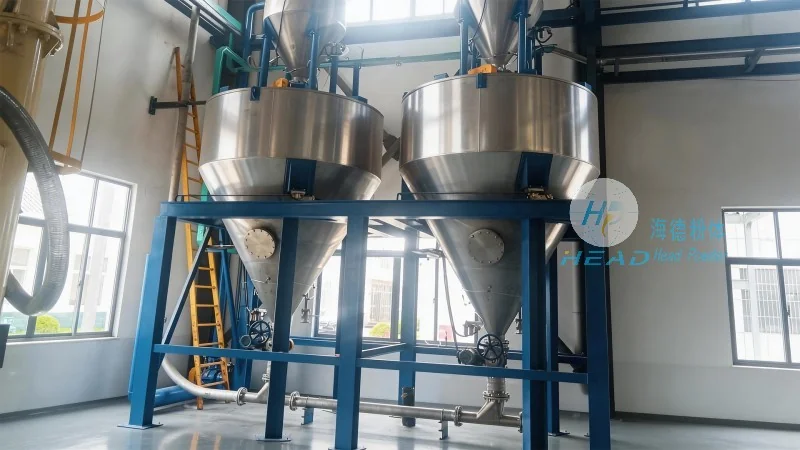
HeadPowder, with its headquarters in Shandong, China, has established itself as a trusted name in the grain processing equipment sector. The company’s expertise lies in delivering customized pneumatic conveying systems that meet the specific requirements of wheat producers, millers, and exporters. By focusing on innovation and precision engineering, HeadPowder ensures that its solutions are not only efficient but also durable and cost-effective for long-term operation.
Positive Pressure Conveying Mode
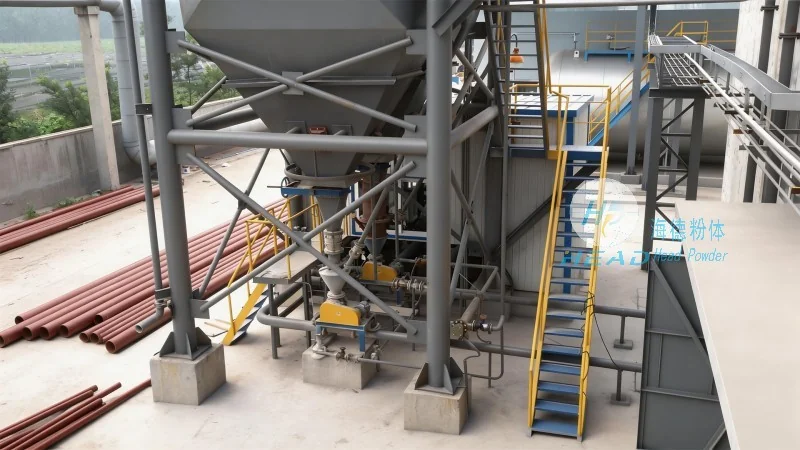
Positive pressure conveying, also known as pressure pneumatic conveying, operates by blowing air or a gas mixture into the conveying line to create a positive pressure environment. This method forces the material (wheat in this case) through the system by applying pressure at the discharge end. The primary advantage of positive pressure systems is their ability to handle abrasive materials like wheat without causing excessive wear on components. Additionally, they can transport materials over longer distances and at higher capacities compared to negative pressure systems. HeadPowder’s positive pressure systems are engineered with robust components, including high-efficiency blowers and durable hoses, to ensure reliable performance in demanding wheat handling applications.
Negative Pressure Conveying Mode
Negative pressure conveying, or vacuum pneumatic conveying, works by creating a vacuum at the intake end of the system, drawing the material into the conveying line. This method is particularly effective for handling fine or dusty materials, as it can collect and transport them without generating excessive dust or noise. However, negative pressure systems are generally limited to shorter distances and lower capacities due to the energy required to maintain the vacuum. HeadPowder’s negative pressure solutions are designed with advanced vacuum pumps and filtration systems to minimize dust emissions and ensure compliance with environmental regulations.
Comparative Analysis of Positive vs. Negative Pressure Systems
When selecting between positive and negative pressure conveying systems for wheat handling, several factors must be considered. Positive pressure systems are ideal for applications requiring high throughput, long-distance transport, or handling abrasive materials. They are also more suitable for environments where dust control is less critical, as the system operates under pressure rather than vacuum. Conversely, negative pressure systems excel in applications where dust containment and noise reduction are paramount, such as in enclosed facilities or when transporting fine wheat products. HeadPowder’s engineers evaluate the specific needs of each client, including the distance between storage and processing areas, the volume of wheat to be transported, and the environmental regulations in place, to recommend the most appropriate conveying mode.
Application Considerations for Wheat Handling
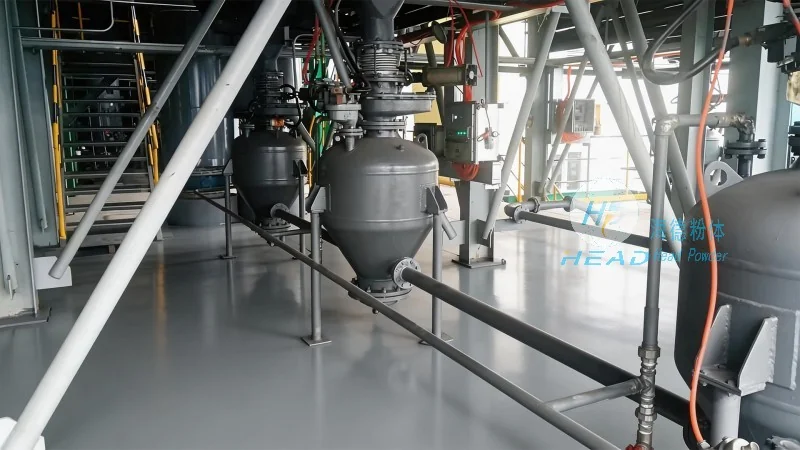
The choice of pneumatic conveying mode significantly impacts the efficiency and safety of wheat handling operations. Positive pressure systems are commonly used in large-scale wheat mills and export terminals, where high volumes of wheat need to be moved quickly and reliably. They are also preferred in outdoor or open environments where dust control is less of a concern. Negative pressure systems, on the other hand, are often employed in smaller processing facilities or in areas where dust emissions must be minimized, such as in food processing plants. HeadPowder’s customized solutions are designed to address these application-specific needs, ensuring that the chosen conveying mode optimizes performance while maintaining compliance with industry standards.
Conclusion and Company Overview
In conclusion, the selection between positive and negative pressure pneumatic conveying systems for wheat handling depends on a variety of factors, including distance, capacity, and environmental considerations. HeadPowder, with its headquarters in Shandong, China, offers advanced solutions for both modes, leveraging its expertise in engineering and manufacturing to deliver reliable, efficient, and cost-effective systems. By understanding the unique requirements of each wheat handling operation, HeadPowder ensures that its clients receive the most suitable pneumatic conveying system, enhancing productivity and safety in their grain processing facilities.




