For industries dealing with high-value materials like tungsten carbide, the choice of a pneumatic conveying system is critical to operational efficiency, material integrity, and overall system reliability. Tungsten carbide, a hard, wear-resistant material widely used in cutting tools, wear parts, and other industrial applications, requires specialized handling to prevent degradation and ensure consistent performance. This technical analysis explores the two primary pneumatic conveying modes—positive pressure and negative pressure—and compares their applications, advantages, and considerations for tungsten carbide material transport.
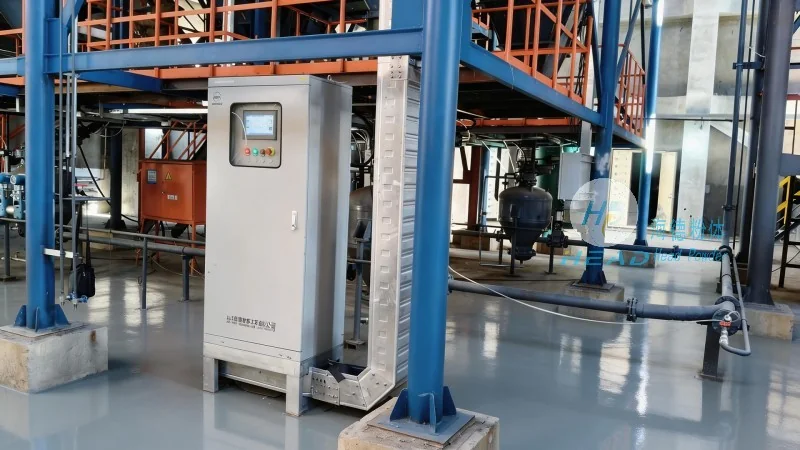
Introduction to Tungsten Carbide Pneumatic Conveying Systems
Tungsten carbide (WC) is a composite material consisting of tungsten carbide particles bonded with a metal matrix, typically cobalt. Its exceptional hardness, high melting point, and wear resistance make it indispensable in sectors such as metalworking, mining, and manufacturing. However, handling tungsten carbide powder or granules demands precise control over material flow and pressure to avoid agglomeration, contamination, or equipment damage. Pneumatic conveying systems offer a solution by transporting bulk materials through a pipeline using air or gas as the conveying medium, eliminating the need for mechanical components like buckets or belts in many cases.
Understanding Pneumatic Conveying Modes
Pneumatic conveying systems are categorized based on the direction of air flow relative to the material being transported. The two main modes are positive pressure (or pressure) conveying and negative pressure (or vacuum) conveying. Each mode has distinct characteristics that influence its suitability for different applications, especially when dealing with sensitive materials like tungsten carbide.
Positive Pressure Conveying Mode
Positive pressure conveying operates by injecting compressed air into the material feed point, creating a pressure higher than the ambient air pressure throughout the system. The compressed air propels the material through the pipeline, maintaining a positive pressure gradient that prevents dust leakage and material degradation. This mode is particularly effective for transporting abrasive or high-value materials, as it minimizes material contact with system components and reduces the risk of contamination.
For tungsten carbide applications, positive pressure systems often use high-pressure air (typically 4-10 bar) to ensure reliable transport of fine powders or granules. The system design includes features such as rotary airlocks, pulse-jet filters, and pressure vessels to manage air flow and material separation. The positive pressure environment also helps maintain material moisture levels and prevents oxidation, which is crucial for preserving the material's hardness and performance.
Negative Pressure Conveying Mode
Negative pressure conveying, also known as vacuum conveying, operates by creating a vacuum in the system, drawing material from the feed point into the pipeline. The vacuum is generated by a fan or blower located at the discharge end, creating a pressure lower than ambient air pressure. This mode is commonly used for transporting materials from elevated or hard-to-reach locations, as it can pull material up slopes or over obstacles.
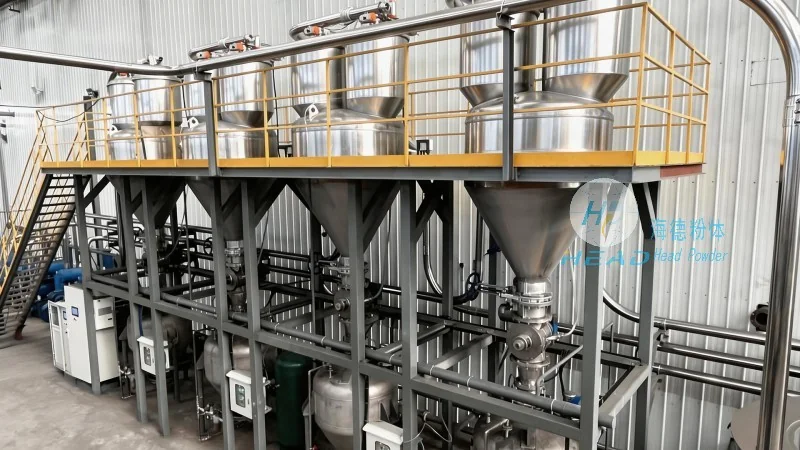
In the context of tungsten carbide, negative pressure systems are often employed for handling bulk materials from storage silos or hoppers. The vacuum is typically maintained at 200-500 mbar, and the system includes components like rotary valves, cyclone separators, and dust collectors to ensure efficient material transport and filtration. Negative pressure conveying is advantageous for applications where material is sourced from a fixed location and needs to be moved to a processing facility, as it reduces the need for complex material handling equipment.
Key Considerations for Tungsten Carbide Conveying
When selecting a pneumatic conveying system for tungsten carbide, several factors must be considered to ensure optimal performance and material integrity. These include material properties (such as particle size, density, and abrasiveness), system capacity, and operational environment. The choice between positive and negative pressure modes depends on these factors and the specific requirements of the application.
Positive pressure systems are generally preferred for high-abrasion materials like tungsten carbide because they provide better control over material flow and reduce the risk of material degradation. The high-pressure air helps maintain particle integrity and prevents agglomeration, which can occur in low-pressure or vacuum systems. Additionally, positive pressure systems are easier to clean and maintain, as the entire pipeline is under pressure, making it simpler to remove material buildup.
Negative pressure systems, while suitable for certain applications, may pose challenges when handling fine tungsten carbide powders. The vacuum environment can lead to material re-entrainment or dust emissions, which may require additional filtration systems to comply with environmental regulations. Furthermore, negative pressure conveying is less effective for transporting abrasive materials over long distances, as the vacuum can cause increased wear on system components.
System Components and Design for Tungsten Carbide Conveying
Both positive and negative pressure pneumatic conveying systems for tungsten carbide require specialized components to ensure reliable operation. Key components include feeders (such as rotary airlocks or screw feeders), pipelines (typically made of stainless steel or other corrosion-resistant materials), and separation devices (like cyclones or bag filters). The choice of materials for the system components is critical, as tungsten carbide is highly abrasive and can cause significant wear on standard equipment.
For positive pressure systems, the pipeline is often designed with smooth, hard-walled surfaces to minimize material friction and wear. The use of stainless steel or special alloys is common to withstand the abrasive nature of tungsten carbide. The system also includes pressure relief valves and safety devices to prevent over-pressurization and ensure operator safety.
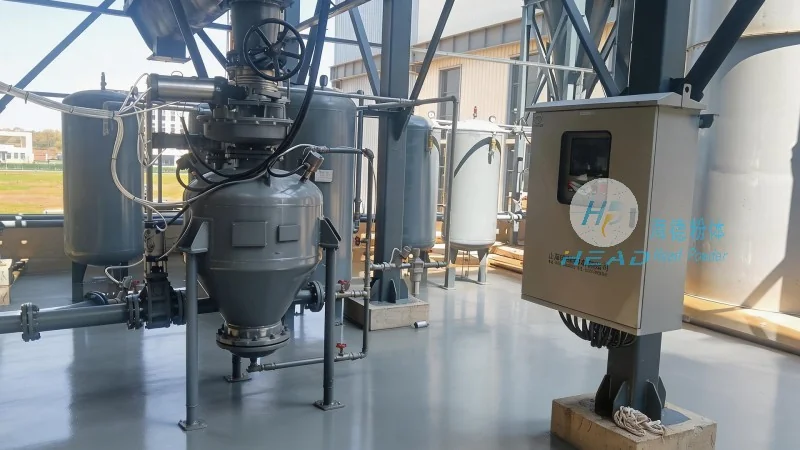
Negative pressure systems may use flexible hoses or ducts for the material transport line, which can help reduce wear on the system but may require more frequent replacement. The vacuum pump or fan must be sized appropriately to handle the material's density and flow rate, and the system includes filters to capture fine particles and prevent dust contamination.
Case Study: Application in the Tungsten Carbide Industry
Shandong HeadPowder Engineering Co., Ltd., a leading provider of pneumatic conveying solutions, has extensive experience in designing and implementing systems for tungsten carbide processing. The company's expertise lies in tailoring systems to meet the specific needs of clients, whether they require positive or negative pressure conveying. For example, a client in the cutting tool manufacturing industry needed to transport fine tungsten carbide powders from a storage silo to a mixing plant. The company designed a positive pressure system with a high-pressure blower and stainless steel pipeline, ensuring reliable transport and minimal material degradation.
Another client, a mining equipment manufacturer, required a negative pressure system to handle bulk tungsten carbide granules from a hopper to a processing facility. The system included a vacuum pump, cyclone separator, and dust collector, which effectively transported the material while maintaining environmental compliance. Both systems were installed and commissioned by HeadPowder, demonstrating the company's capability to deliver customized solutions for tungsten carbide pneumatic conveying.
Conclusion
The choice between positive pressure and negative pressure pneumatic conveying modes for tungsten carbide systems depends on the specific application requirements, material properties, and operational constraints. Positive pressure systems offer superior control, material integrity, and ease of maintenance, making them ideal for high-abrasion and high-value materials like tungsten carbide. Negative pressure systems, while suitable for certain scenarios, may present challenges related to material handling and environmental control.
When selecting a pneumatic conveying system, it is essential to consider factors such as material flow rate, particle size, and system layout. Consulting with experienced suppliers like Shandong HeadPowder Engineering Co., Ltd. can help ensure that the chosen system meets the operational needs and delivers long-term reliability. By understanding the technical differences between positive and negative pressure conveying, industries can make informed decisions to optimize their tungsten carbide material transport processes.




