When it comes to transporting diatomite powder, selecting the right conveying method is crucial for efficiency, safety, and operational costs. Two primary approaches are widely used: positive pressure conveying and negative pressure conveying. Understanding the differences between these systems is essential for making an informed decision that aligns with your specific application requirements.
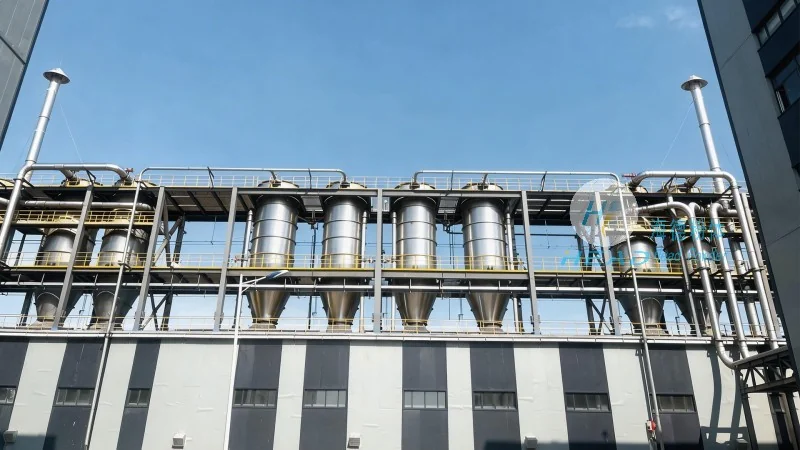
What is Positive Pressure Conveying?
Positive pressure conveying, also known as pressure pneumatic conveying, operates by forcing air or gas through the material to be transported. The system uses a blower or compressor to generate positive pressure within the conveying line, which pushes the diatomite powder from the source to the destination. This method is particularly effective for long-distance or high-capacity applications where the material needs to be moved over significant distances or through complex piping systems.
Key advantages of positive pressure systems include their ability to handle abrasive materials like diatomite without causing excessive wear on equipment. They also provide better control over the flow rate and can maintain consistent pressure, ensuring reliable material transport. However, these systems may require more maintenance due to the higher pressure and potential for wear on components such as the blower and pipeline.
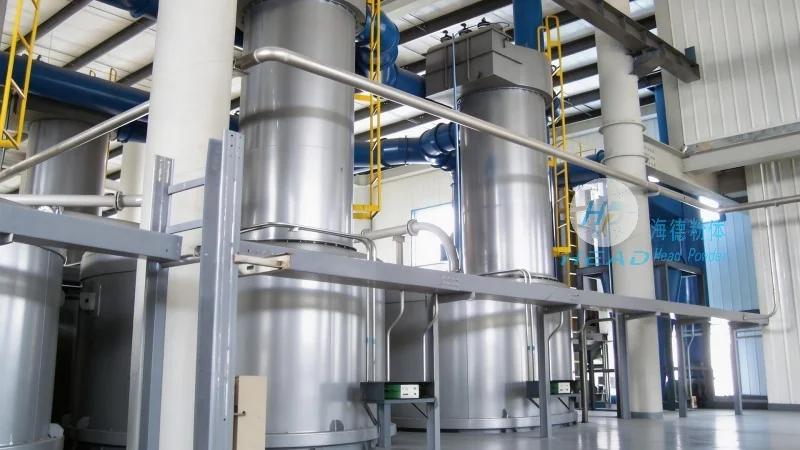
What is Negative Pressure Conveying?
Negative pressure conveying, or vacuum pneumatic conveying, works by creating a vacuum in the conveying line, which draws the diatomite powder from the source to the destination. The system uses a vacuum pump to remove air from the line, creating a pressure differential that pulls the material along. This method is often preferred for shorter distances or when the material needs to be collected from multiple points before being transported to a central location.
One of the main benefits of negative pressure systems is their lower energy consumption compared to positive pressure systems, as they do not require high-pressure blowers. They are also less likely to cause dust emissions at the source, as the material is drawn into the line rather than being expelled. However, negative pressure systems may have limitations in terms of conveying distance and material capacity, as the vacuum can drop off over longer distances or with larger particle sizes.
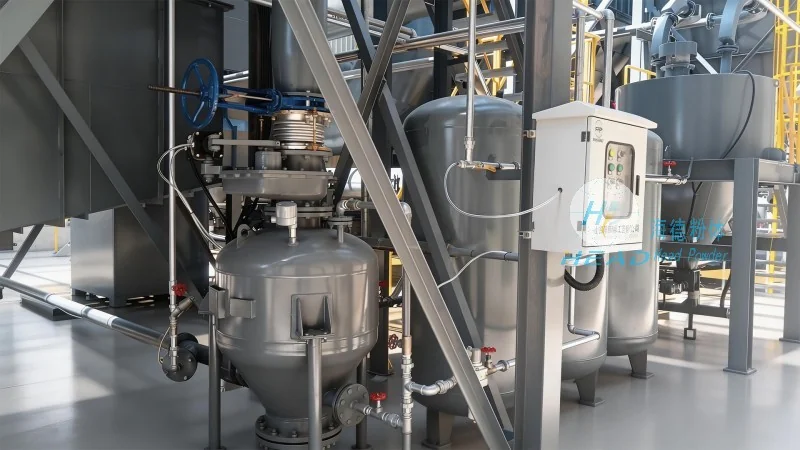
Distinguishing Between Positive and Negative Pressure Systems
Several factors can help you determine whether a positive or negative pressure system is more suitable for your diatomite powder conveying needs. The most critical considerations include the distance between the source and destination, the material's characteristics (such as particle size, moisture content, and abrasiveness), and the required flow rate. For instance, if you need to transport diatomite powder over a distance of more than 100 meters or handle large volumes, a positive pressure system is often the better choice due to its higher capacity and ability to maintain consistent pressure over long runs.
Conversely, if the conveying distance is short (typically under 50 meters) and the application involves collecting material from multiple points, a negative pressure system may be more efficient. Negative pressure systems are also advantageous when dealing with materials that are sensitive to high pressure or when minimizing dust at the source is a priority.
Factors to Consider When Choosing a Conveying System
Beyond the basic differences between positive and negative pressure systems, several other factors should be evaluated when selecting a diatomite powder conveying solution. These include the system's energy efficiency, maintenance requirements, and compatibility with existing infrastructure. For example, positive pressure systems may require more frequent maintenance of the blower and pipeline, while negative pressure systems may need regular checks on the vacuum pump and filter systems.
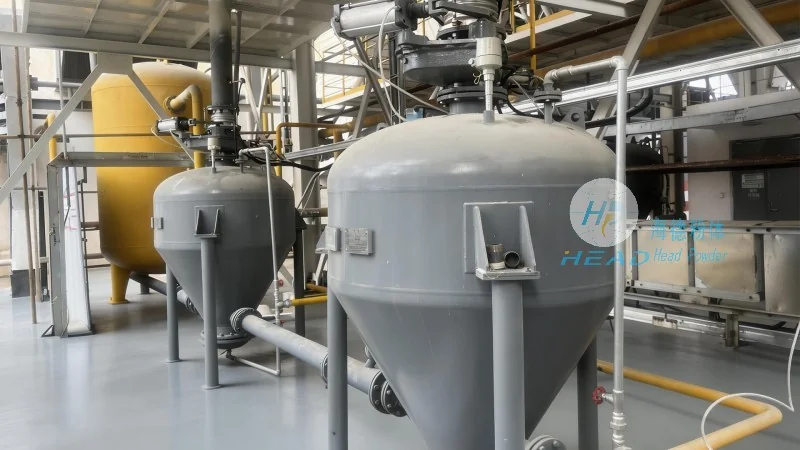
Another important consideration is the environmental impact of the conveying method. Positive pressure systems can sometimes lead to higher dust emissions at the discharge point, whereas negative pressure systems are generally more effective at containing dust within the system. This is particularly relevant for applications where dust control is a regulatory requirement or where the material is handled in enclosed spaces.
Conclusion
Choosing between positive pressure and negative pressure conveying for diatomite powder depends on a combination of operational requirements, material characteristics, and cost considerations. By carefully evaluating the distance, material properties, and desired flow rate, you can select the most appropriate system to ensure efficient, reliable, and cost-effective transportation of diatomite powder. Whether you opt for a positive pressure or negative pressure system, understanding the nuances of each approach will help you make a decision that optimizes performance and minimizes operational challenges.




