

What is an Aluminum Nitride Material Pneumatic Conveyor? What Are Its Design Principles?
Aluminum nitride (AlN) is a high-performance ceramic material widely used in semiconductor manufacturing, electronics, and other advanced industrial applications due to its excellent thermal conductivity, electrical insulation properties, and chemical stability. When handling AlN powders or granules, efficient and reliable material transport is crucial to maintain product quality and operational efficiency. This article explores the concept of an aluminum nitride material pneumatic conveyor and delves into its design principles, focusing on the technical aspects that enable effective material handling in industrial settings.
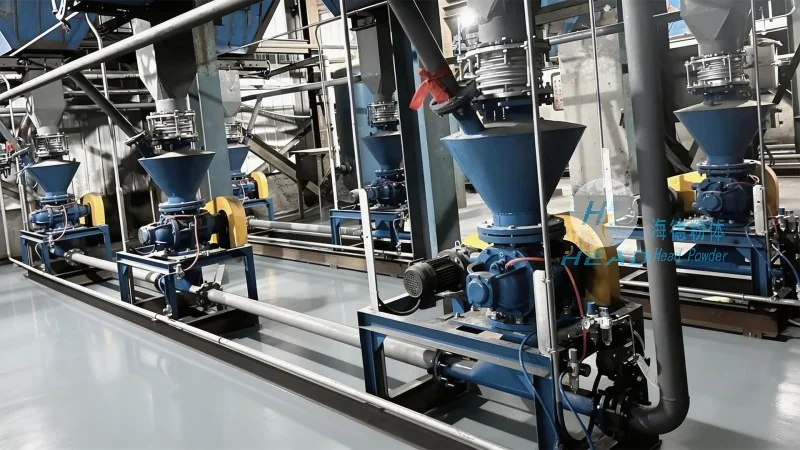
Understanding the Aluminum Nitride Material Pneumatic Conveyor
A pneumatic conveyor, also known as an air conveyor or gas conveyor, is a system that uses compressed air or other gases to transport bulk materials through a pipeline. In the context of aluminum nitride, this technology is specifically tailored to handle the unique characteristics of AlN powders, which can be abrasive, lightweight, and sensitive to moisture or contamination. The primary goal of an AlN material pneumatic conveyor is to move these materials from a source (such as a storage hopper or processing equipment) to a destination (like a mixing tank, furnace, or packaging unit) while preserving the material's integrity and minimizing degradation.
Key Components of an Aluminum Nitride Pneumatic Conveyor System
The design of an aluminum nitride material pneumatic conveyor involves several critical components that work in tandem to ensure efficient operation. These components include:
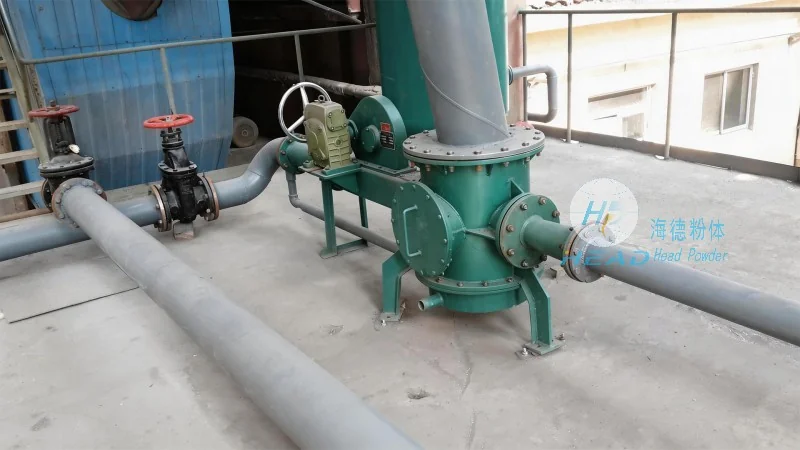
- Feeding System: This component is responsible for introducing the aluminum nitride material into the conveyor system. It typically consists of a hopper or feeder that can handle the material's flow characteristics, ensuring a consistent and controlled feed rate. The feeding system may include a rotary valve or a vibratory feeder to prevent material bridging or clogging, which is common with fine powders like AlN.
- Compressor and Air Supply: A high-pressure air compressor provides the necessary airflow to move the material through the pipeline. The compressor must be capable of delivering sufficient air volume and pressure to overcome the resistance caused by the material's density and the pipeline's length. For AlN, the air supply is often filtered to remove contaminants that could damage the material or the system components.
- Pipeline and Fittings: The conveyor system uses a network of pipes, typically made of corrosion-resistant materials like stainless steel or PTFE, to transport the material. The pipeline design considers factors such as material flow velocity, pressure drop, and the need for smooth transitions to prevent particle attrition or blockages. Special fittings, such as bends, elbows, and expansion joints, are used to accommodate changes in direction and pressure, ensuring the material moves smoothly without excessive friction.
- Control System: An automated control system monitors and regulates the operation of the pneumatic conveyor. This system may include sensors to detect material flow rates, pressure levels, and air quality, as well as valves and actuators to adjust the airflow and feeding rates as needed. The control system helps maintain optimal operating conditions, preventing overloading or underloading of the conveyor, which can lead to inefficiencies or equipment damage.
- Collection and Discharge System: At the end of the conveyor line, the aluminum nitride material is collected in a receiving hopper or container. The discharge system may include a rotary valve or a gate valve to control the release of the material into the next processing step. The design of the collection system is critical to prevent material loss or contamination, ensuring that the AlN is handled in a clean and controlled manner.
Design Principles for Efficient Aluminum Nitride Material Transport
The design principles of an aluminum nitride material pneumatic conveyor are centered on optimizing material flow, minimizing particle degradation, and ensuring system reliability. Several key principles guide the engineering of such systems:
1. Air Velocity and Material Velocity Ratio: The ratio of air velocity to material velocity is a critical parameter in pneumatic conveying. For aluminum nitride powders, a high air velocity relative to the material velocity is often used to achieve a dilute phase conveying system, where the material is suspended in the air stream. This reduces particle-to-particle and particle-to-pipe contact, minimizing abrasion and degradation. The design must balance the need for sufficient air velocity to maintain suspension with the risk of excessive air flow, which can lead to higher energy consumption and potential material loss.
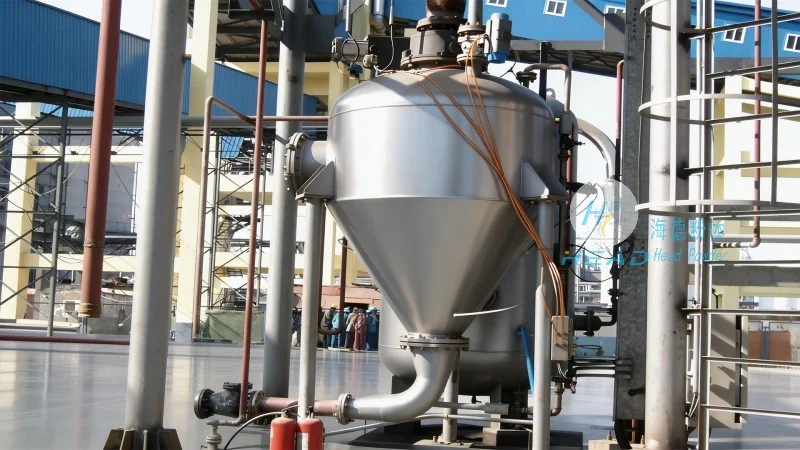
2. Pressure Drop Management: The pressure drop across the conveyor system is a key factor affecting its efficiency. Excessive pressure drop can lead to higher energy consumption and may require a more powerful compressor. The design involves selecting appropriate pipe diameters, minimizing bends and fittings, and using smooth pipe surfaces to reduce friction losses. For AlN, which is a fine powder, the pressure drop is higher due to the small particle size and high surface area, making pressure drop management even more critical.
3. Material Handling Considerations: Aluminum nitride has specific properties that must be considered in the conveyor design. The material is abrasive, which means that the conveyor components (such as the pipeline, valves, and feeders) must be made of wear-resistant materials to extend their service life. Additionally, AlN is hygroscopic, meaning it can absorb moisture from the air, which can affect its performance in processing applications. The pneumatic conveyor system must be designed to minimize exposure to moisture, such as by using sealed pipelines and dry air, to prevent material degradation.
4. System Integration and Scalability: The aluminum nitride material pneumatic conveyor is often part of a larger material handling system in a manufacturing facility. The design must consider how the conveyor integrates with other equipment, such as storage hoppers, processing lines, and packaging units. The system should be scalable to accommodate changes in production volume or material types, allowing for future expansion without significant modifications. This requires a modular design approach, where components can be added or replaced as needed.
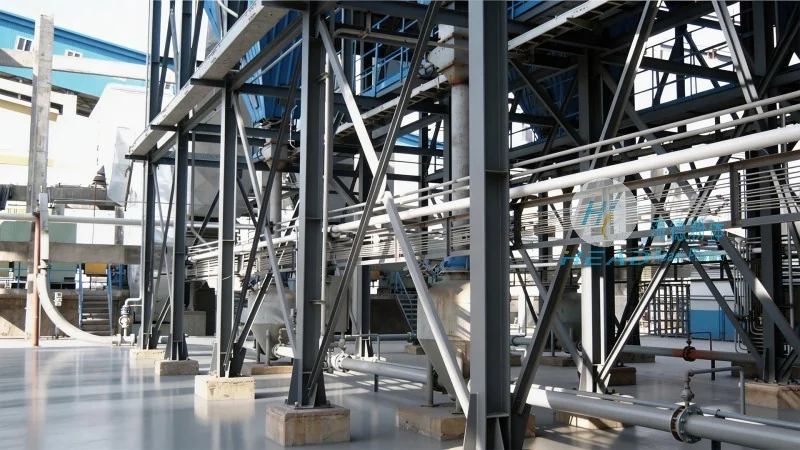
Benefits of Using an Aluminum Nitride Material Pneumatic Conveyor
Implementing an aluminum nitride material pneumatic conveyor offers several advantages for industrial applications:
- Efficient Material Transport: The system provides a continuous and reliable method for moving AlN powders or granules, reducing the need for manual handling and improving operational efficiency.
- Reduced Contamination: By using sealed pipelines and controlled airflow, the conveyor minimizes exposure to external contaminants, ensuring the purity of the aluminum nitride material.
- Space Efficiency: Pneumatic conveyors are compact and can be installed in tight spaces, making them suitable for facilities with limited floor space.
- Low Maintenance: Compared to mechanical conveyors, pneumatic systems have fewer moving parts, reducing the risk of wear and tear and lowering maintenance costs.
- Flexibility: The system can be easily reconfigured to handle different material types or to change the direction of material flow, providing flexibility in production processes.
Conclusion
An aluminum nitride material pneumatic conveyor is a specialized system designed to efficiently and reliably transport aluminum nitride powders or granules in industrial settings. The design principles, which include optimizing air velocity, managing pressure drop, and considering material properties, ensure that the system operates effectively while preserving the quality of the aluminum nitride material. By integrating with other processing equipment and adhering to best practices in material handling, such systems contribute to improved productivity and product quality in semiconductor and electronics manufacturing. The expertise of companies like Shandong HeadPowder Engineering Co., Ltd. in designing and manufacturing these systems plays a crucial role in meeting the demands of modern industrial applications.