

Technical Analysis of Fish Meal Pneumatic Conveying Systems: Comparison of Positive Pressure vs. Neg
HeadPowder, a leading engineering company based in Shandong, China, specializes in the design and implementation of advanced pneumatic conveying systems for fish meal processing. This article provides a technical analysis of the two primary conveying modes—positive pressure and negative pressure—exploring their operational principles, advantages, and practical applications in fish meal handling.
Understanding Pneumatic Conveying Technology
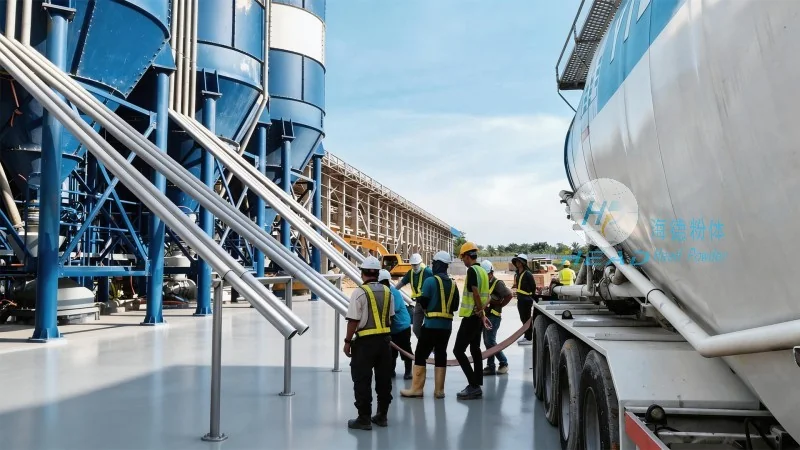
Pneumatic conveying systems are essential for efficiently transporting bulk materials like fish meal from one location to another within industrial facilities. These systems use compressed air or vacuum to move material through a pipeline network, eliminating the need for mechanical components such as conveyors or elevators. The choice between positive pressure and negative pressure systems depends on factors like material characteristics, system layout, and operational requirements.
Positive Pressure Conveying Mode
Positive pressure conveying operates by blowing air or gas into the material stream, creating a pressure differential that propels the material forward. This mode is particularly effective for handling fine, dusty materials like fish meal, as it can maintain consistent flow rates and prevent material degradation. The system typically includes a blower or compressor at the inlet, a hopper for material storage, and a pipeline network that delivers the material to the discharge point. HeadPowder's positive pressure systems are engineered to ensure minimal pressure loss and optimal material transport efficiency, reducing energy consumption and maintenance costs.
Negative Pressure Conveying Mode
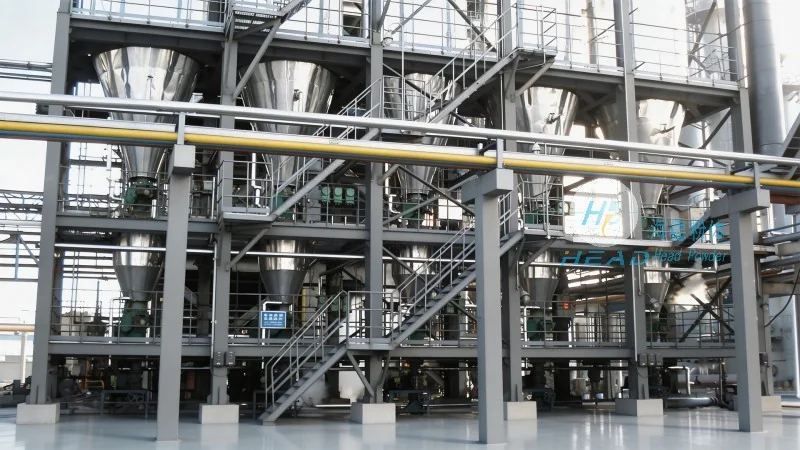
Negative pressure conveying, also known as vacuum conveying, works by creating a vacuum at the inlet, drawing material into the system and transporting it through the pipeline. This mode is ideal for applications where the material needs to be collected from multiple points or where dust control is a priority. The system consists of a vacuum pump, a collection hopper, and a pipeline that connects to the discharge point. HeadPowder's negative pressure systems are designed to handle sensitive materials without causing degradation, ensuring that the fish meal maintains its quality throughout the conveying process.
Key Differences and Selection Criteria
When selecting between positive and negative pressure conveying systems for fish meal, several factors must be considered. Positive pressure systems are generally more suitable for long-distance transport and high-volume applications, as they can maintain consistent pressure and flow. Negative pressure systems, on the other hand, are better for short-distance transport and applications requiring precise material control. The choice also depends on the material's particle size, moisture content, and abrasiveness. HeadPowder's engineering team conducts thorough assessments to determine the most appropriate system for each client's specific needs, ensuring optimal performance and cost-effectiveness.
Advantages of HeadPowder's Pneumatic Conveying Solutions
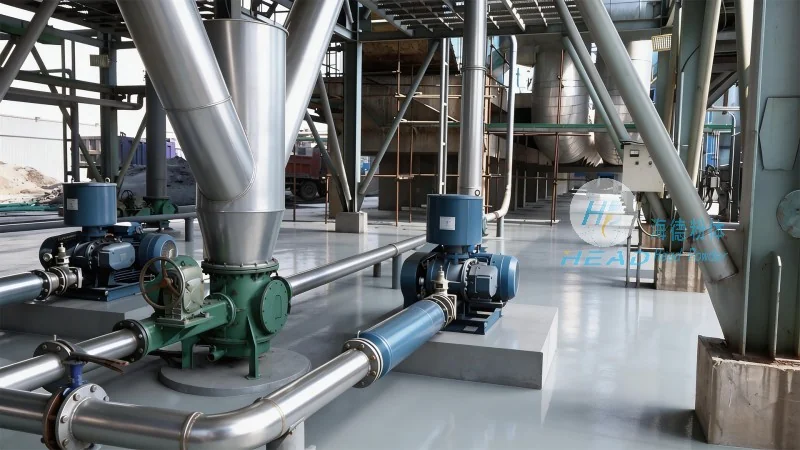
HeadPowder Engineering Co., Ltd., with its headquarters in Shandong, China, offers comprehensive pneumatic conveying solutions tailored to the fish meal industry. Our systems are designed to enhance operational efficiency, reduce downtime, and minimize material loss. By leveraging advanced technology and expert engineering, we provide customized solutions that meet the unique requirements of each client. Our positive pressure and negative pressure systems are built with high-quality components, ensuring durability and long-term reliability. Additionally, our systems are equipped with monitoring and control features that allow for real-time performance tracking, enabling proactive maintenance and optimal system operation.
Conclusion
Choosing the right pneumatic conveying mode is critical for the efficient handling of fish meal. Positive pressure and negative pressure systems each offer distinct advantages, and the optimal selection depends on the specific application and operational constraints. HeadPowder Engineering Co., Ltd., based in Shandong, China, provides expert guidance and customized solutions to help clients select and implement the most suitable pneumatic conveying system. Our commitment to quality, efficiency, and customer satisfaction ensures that our clients achieve their production goals while maintaining the highest standards of material handling.